
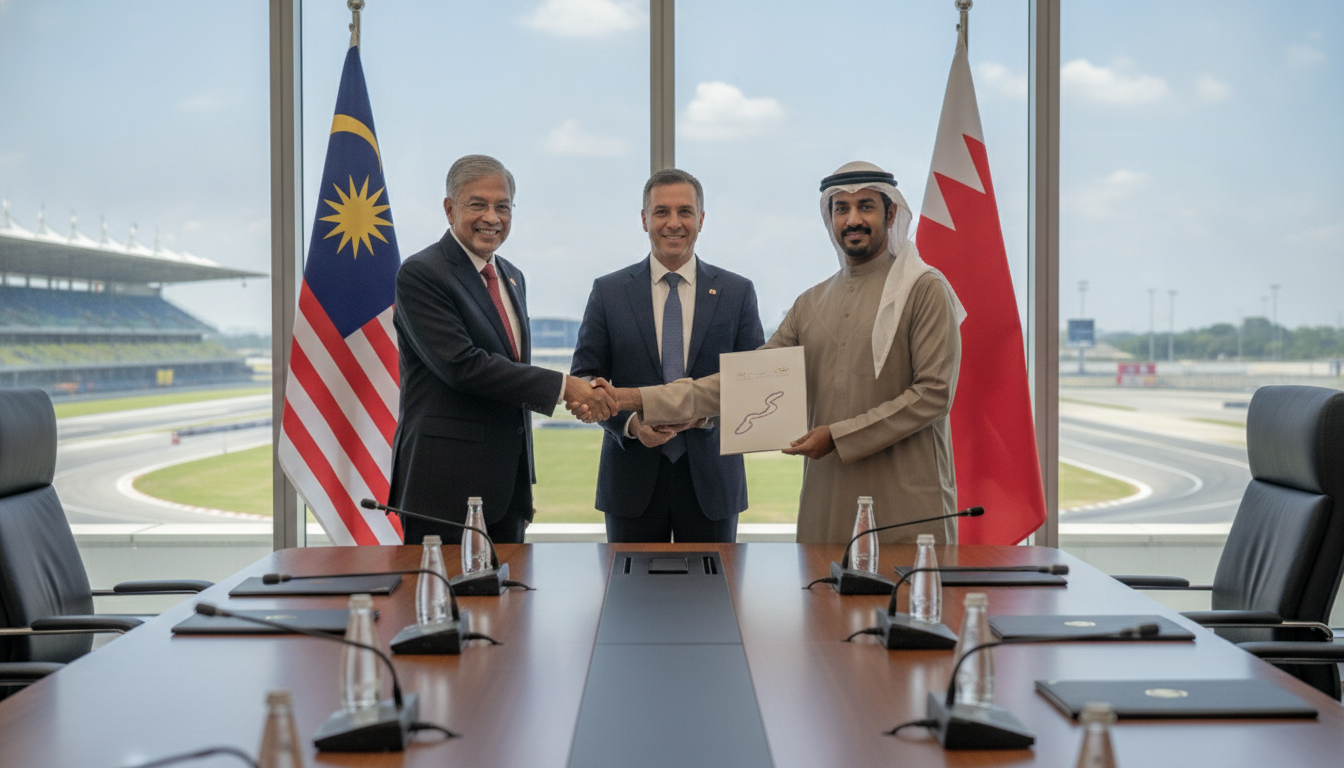
Malaysia Grand Prix set to return to Sepang in October as Bahrain covers hosting fee
Malaysia Grand Prix returns to Sepang this October, with organizers saying Bahrain will cover the hosting fee and local officials expecting a boost to tourism and the motorsport economy.
The Malaysia Grand Prix will return to the Sepang International Circuit in October, organizers confirmed, marking the first Formula One race at the venue in several years. Organizers said Bahrain is footing the hosting fee, a move they describe as reducing financial risk for Malaysian promoters while securing the event on the international calendar. Local authorities and hospitality businesses are preparing for an influx of visitors that they say could deliver a meaningful tourism and economic uplift. The return is being framed as a low‑risk homecoming for Malaysia’s motorsport community and a chance to showcase Sepang to a renewed global audience.
Race date confirmed for October in Sepang
Organizers announced the race will take place in October, returning the Malaysia Grand Prix to the Formula One calendar after a multi‑year absence. The exact weekend date and support‑race schedule are to be confirmed by the promoter and the sport’s governing bodies. Promoters emphasized coordination with national authorities to align public safety, travel and border arrangements with the event timetable. Teams and broadcasters have been notified that Sepang will host a full Grand Prix weekend as part of the season’s later rounds.
Bahrain to cover hosting fee, organizers say
Promoters said Bahrain is covering the upfront hosting fee, a commercial arrangement they say reduces financial exposure for the Malaysian host. Organizers described the arrangement as enabling a smoother negotiation with international rights holders and race operators. Officials declined to disclose detailed financial terms, saying contracts include confidentiality clauses typical of major international sporting events. The funding model is being presented to stakeholders as a pragmatic step toward reintroducing top‑level racing to Malaysia without placing undue burden on local budgets.
Tourism sector expects a measurable boost
Officials in tourism and hospitality said they expect the event to draw overseas spectators, media and corporate guests, which would benefit hotels, restaurants and transport providers. Booking enquiries have reportedly risen since the announcement, with promoters and tourism bodies launching coordinated marketing to key markets in the region. Organizers and local business groups are preparing packages aimed at race fans and post‑race leisure travelers to extend stays beyond the weekend. Authorities emphasized the importance of smooth visa processing and travel connectivity to maximize visitor spending.
Sepang circuit upgrades and safety preparations
Circuit management is undertaking inspections and targeted upgrades to meet current Formula One standards, including resurfacing, barrier work and facilities improvements. Safety and medical services at the venue will be reviewed to align with the requirements set by the sport’s governing body, promoters said. Event staff and local emergency services are planning joint exercises to ensure readiness for large crowds and race‑day operations. Promoters added that investments in paddock infrastructure and media facilities are intended to meet the technical demands of teams and broadcasters.
Teams and championship implications
While teams have yet to finalize logistical plans, the Malaysia Grand Prix’s addition is expected to influence travel and tyre strategies as the championship approaches its final third. Sporting directors and engineers will assess Sepang’s high‑speed corners and typically hot, humid conditions when preparing car setups and race programmes. Some teams view the race as an opportunity to capitalize on tracks that reward aerodynamic efficiency and power unit reliability. Drivers are expected to treat Sepang as a distinct challenge within a dense global calendar.
Ticketing, transport and local preparations
Ticket sales are slated to open in stages, with early‑access packages and hospitality options targeted at international buyers and corporate partners. Local authorities are coordinating transport plans, including shuttle services, expanded parking and initiatives to reduce traffic congestion on race weekends. Promoters are also rolling out fan engagement programmes and community outreach to involve local motorsport clubs and schools. Public messaging will emphasize safety, public health guidance and orderly conduct to ensure the event proceeds without disruption.
The return of the Malaysia Grand Prix to Sepang represents a calculated restart for high‑profile motorsport in the country, blending commercial support from external partners with local readiness to host international fans. Promoters, tourism officials and circuit managers say they will monitor ticket uptake and visitor flows closely as the October date approaches. If the weekend meets expectations, organizers hope the event will reestablish Sepang as a recurring destination on the Formula One calendar and stimulate renewed interest in motorsport across Malaysia.

