
Kumamoto earthquake aid ramps up as donation accounts open and volunteer intake begins
Kumamoto earthquake aid: Prefectural donation accounts open, Ginza Kumamoto-kan busy, online portals, volunteer schedules and expert cautions for safe support.
The Kumamoto earthquake that struck western Japan prompted a wave of public support, with prefectural donation accounts and collection points opening to channel relief to affected families. Many visitors have answered the call by buying local products and leaving contributions at storefronts, while online platforms and tax-deduction mechanisms have been mobilized to accept funds. Authorities and aid groups are urging coordinated, informed giving and cautioning potential volunteers to register and wait for local intake systems to be ready.
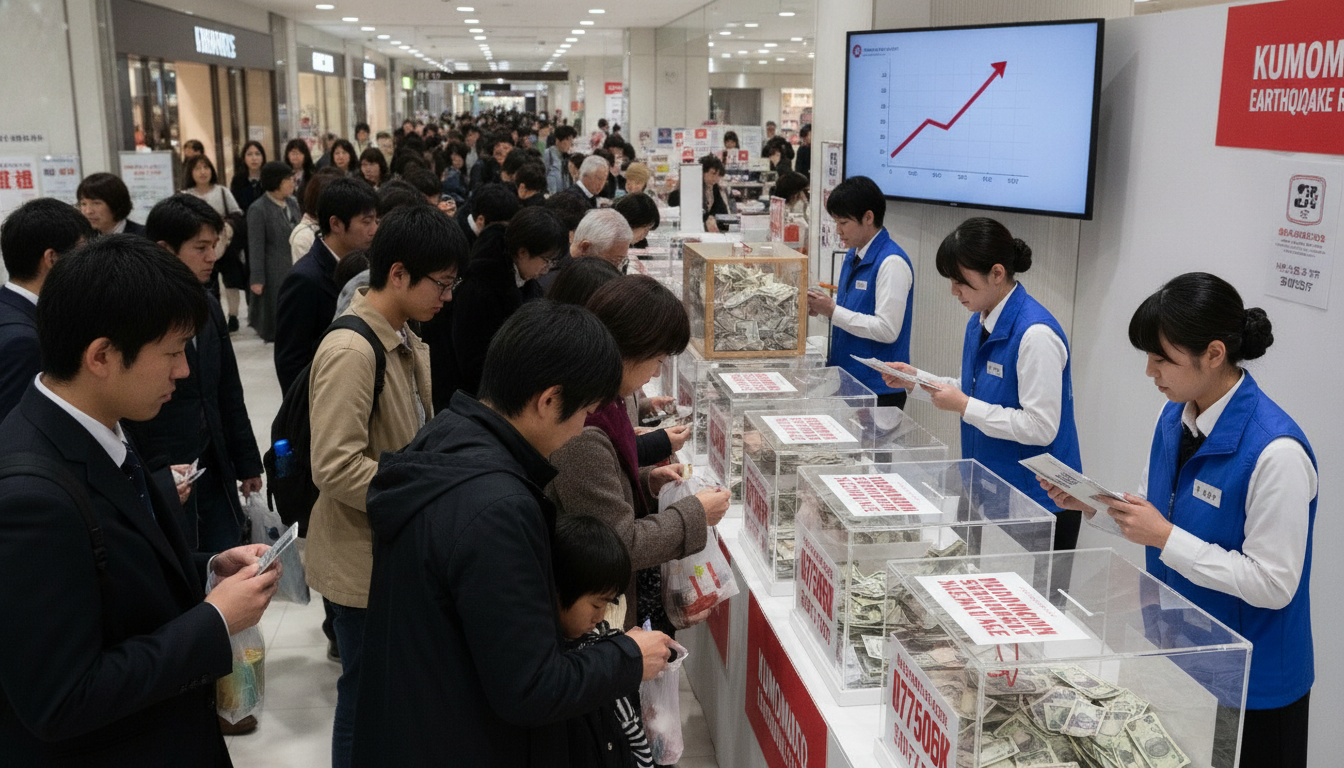
Ginza Kumamoto-kan Sees Surge in Visitors
Ginza Kumamoto-kan, the prefectural antenna shop in Tokyo, experienced long lines on the morning of July 31 as city residents sought ways to support the victims of the Kumamoto earthquake. Staff reported that sales have risen to more than double typical holiday levels, forcing temporary entry restrictions to manage crowds. A donation box inside the shop has attracted contributions from shoppers who said they wanted to help in a concrete way beyond donating money.
Local offices outside Kumamoto have similarly become focal points for aid collection, reflecting a pattern where regional specialty shops and prefectural liaison offices serve both as hubs for fundraising and as symbols of connection to the affected communities. Organizers emphasize that purchases of local goods not only raise funds but also signal continued demand for products from producers impacted by the disaster.
Prefecture Launches Official Donation Account and Collection Points
Kumamoto Prefecture established an official donation account and began accepting contributions on July 31, 2026, to ensure that collected funds are distributed directly to affected households. The prefectural government has set up donation boxes at its antenna shops and regional offices, including the Tokyo and Osaka liaison offices, to make giving accessible across the country. Officials say these measures are intended to centralize aid and reduce the administrative burden on local municipalities.
Donations submitted to the official account will be allocated through established channels to support immediate relief and recovery needs, according to prefectural announcements. Citizens are advised to use these designated routes to ensure transparency and proper distribution.
Online Platforms and Furusato Tax Options Expanded
Major online portals have opened special pages to gather donations for the Kumamoto earthquake, enabling contributions from people who cannot reach physical collection points. Yahoo! JAPAN launched an emergency fundraising page that lists NPOs and relief organizations working on the ground, offering donors the ability to choose groups providing specialized services. Several recognized nonprofits are included, covering needs from vehicle lending to pet and family assistance.
The furusato nozei system is also being used as a channel for disaster relief, with platforms such as Rakuten, SatoFuru, and Furusato Choice hosting dedicated pages for donations that qualify under hometown tax programs. These digital options make it easier for donors to direct funds to impacted municipalities while receiving the usual tax-related benefits when applicable.
Volunteer Intake Timetable Varies Across Municipalities
Local governments have announced staggered schedules for accepting volunteers, reflecting differing levels of damage and logistical readiness across affected towns. Some municipalities, notably Mashiki, opened volunteer centers and began accepting helpers from August 1, while others have postponed intake because of widespread infrastructure damage. Officials warn that areas with extensive destruction, power outages, and fuel shortages may not be able to host volunteers for several days.
Uki City and Hikawa Town, both reporting very strong shaking, have indicated a phased approach: initial registration may start only after essential services stabilize, and active volunteer work could begin later than the registration date. Authorities recommend that would-be volunteers complete pre-registration with municipal or prefectural volunteer centers and monitor official channels for updates before traveling to affected areas.
Experts Warn Against Unsolicited Goods and Heat Risks
Disaster relief specialists caution that unsolicited shipments of clothing, perishable food, and unvetted goods can create extra work for responders and hamper distribution efforts. After the 2016 Kumamoto earthquake, large volumes of donated secondhand clothing created logistical difficulties, experts recall, underscoring the value of cash donations and coordinated material support this time. Aid organizations encourage donors to confirm needs with official lists or partner nonprofits before sending physical items.
Field teams also stress the risk of heat-related illness for volunteers working outdoors during summer conditions. Groups on the ground report that volunteers have suffered from heat exhaustion, and relief coordinators advise anyone planning to assist in person to bring ample water, plan for frequent rest breaks, and follow guidance from local volunteer centers regarding protective gear and workload limits.
Officials Call for Long-Term, Coordinated Support
Kumamoto Governor Kimura appealed on July 30 for measured and sustained assistance, asking volunteers to wait until receiving clear information about intake procedures and safety conditions. The governor emphasized the importance of phased, well-coordinated aid rather than a rush that could overwhelm local response systems. Authorities and nonprofit leaders are urging the public to register with volunteer centers in advance and to keep tracking official updates as needs evolve.
Relief organizations recommend that supporters prioritize monetary donations to official accounts and established charities, sign up for volunteer rosters early, and maintain long-term engagement as recovery progresses. Such sustained and organized support, they say, will better match changing local needs and reduce unintended burdens on communities already coping with significant damage.
Donors and prospective volunteers can make an immediate difference by using designated donation accounts, confirmed online portals, or official volunteer registration systems, and by staying informed through prefectural and municipal announcements as the recovery effort advances.

