
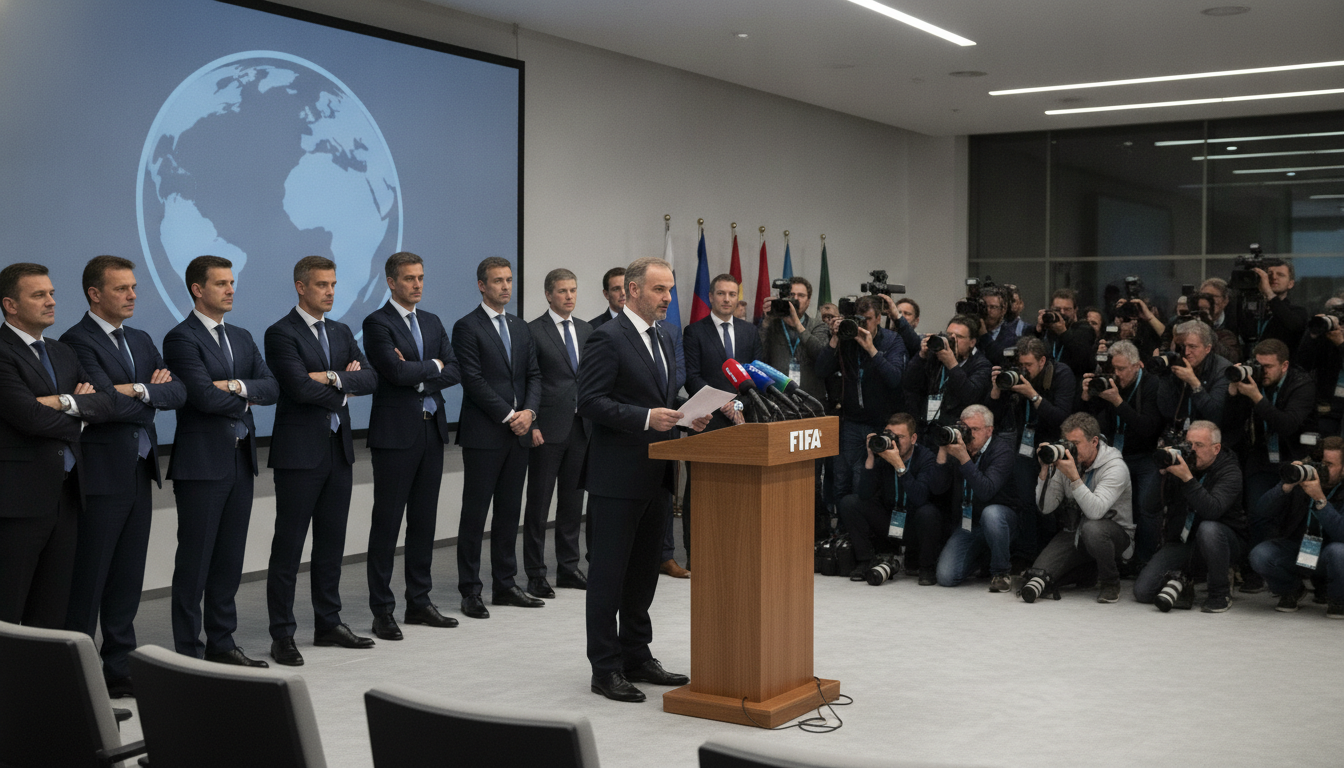
FIFA subsidiary plan withdrawn after UEFA-led boycott threat
FIFA withdraws controversial subsidiary plan to commercialize World Cup operations after UEFA and other confederations threatened boycott, citing division within the global game.
FIFA announced on August 1, 2026 that it will not proceed with the proposed FIFA subsidiary plan to consolidate commercial rights for the World Cup and other major tournaments. The decision, posted on the federation’s official X account, followed intense criticism from UEFA and several continental confederations that warned the proposal could divide the sport. FIFA said the project had become a source of division and that moving forward was no longer in the best interests of football’s 211 member associations.
FIFA announces decision and timeline
FIFA said the reversal came after an “assessment of the current environment” and growing opposition from member groups across continents. The federation had publicly defended the idea as recently as July 31 but shifted course within 24 hours as dissent escalated. The announcement made clear that the specific plan to create and partially privatize a commercial vehicle will not progress.
Key elements of the shelved proposal
Under the blueprint unveiled earlier, FIFA planned to create a dedicated subsidiary to centralize broadcasting, sponsorship and other commercial assets linked to the World Cup and related events. FIFA had proposed an initial valuation of about $20 billion and to sell up to 20 percent of the new company to outside investors. The federation also offered one-off payments of up to $20 million to each of its 211 member associations that agreed to join the project, using proceeds from the share sale to fund those distributions.
Continental backlash and boycott threat
UEFA led the public opposition, declaring that the World Cup was not for sale and warning on July 30 that its member associations’ teams could boycott FIFA tournaments if the plan was not withdrawn. The threat intensified scrutiny and triggered firm public objections from the Confederation of North, Central America and Caribbean Association Football and the Asian Football Confederation. Confederations voiced concerns about governance, transparency, and the potential concentration of commercial control outside the sport’s wider membership.
Internal dissent and high-profile resignation
The plan also prompted divisions within FIFA itself, culminating in the resignation of a senior adviser formerly close to the president. Carlos Cordeiro, who had served as a senior adviser to FIFA President Gianni Infantino, issued a statement saying he opposed the proposal and would step down. The resignation underscored the depth of unease among influential figures and signaled that the dispute went beyond public posturing by federations into operational and advisory ranks.
Financial rationale and governance concerns
FIFA framed the proposal as a way to boost the commercial value of the World Cup, streamline rights management and secure predictable funding for member associations. Supporters argued a consolidated commercial vehicle could unlock new investment and professionalize event monetization. Critics countered that selling a stake in a body controlling football’s flagship competition risked ceding too much power to private investors and could undermine the sport’s collective governance model.
Implications for future commercial deals
The withdrawal leaves questions about how FIFA will pursue revenue growth for its competitions and how member associations will be supported going forward. Confederations and national bodies will likely press for more inclusive consultation on any future proposals affecting commercial rights and distribution of income. The episode may also prompt calls for strengthened oversight and clearer limits on what can be offered to external investors in relation to globally significant tournaments.
FIFA’s decision to abandon the subsidiary plan reflects the political weight of continental confederations within the global football architecture and highlights the sensitivity of proposals that touch the governance and commercial stewardship of the World Cup. The federation now faces the task of rebuilding consensus and outlining alternative measures to sustain and grow revenue while addressing concerns over transparency and member representation.

