
Takaichi’s Consumption Tax Cut Plan to Cut Food Tax to 1% Stalls as LDP Delays Vote
Government delays vote on proposed consumption tax cut after party members raise funding and policy concerns about a 1% levy on food.
Japan’s ruling Liberal Democratic Party postponed approval on July 31, 2026, of Prime Minister Sanae Takaichi’s proposed consumption tax cut that would set the tax on food at 1%, after a fractious internal debate over funding and long-term fiscal risks. The move leaves the proposal in limbo and underscores growing unease within the party about implementing a major tax change without a clear financing plan. Lawmakers from the LDP expressed concern that the measure, if enacted, could necessitate future tax increases or spending cuts to fill budget gaps.
Delay follows announcement made without party consensus
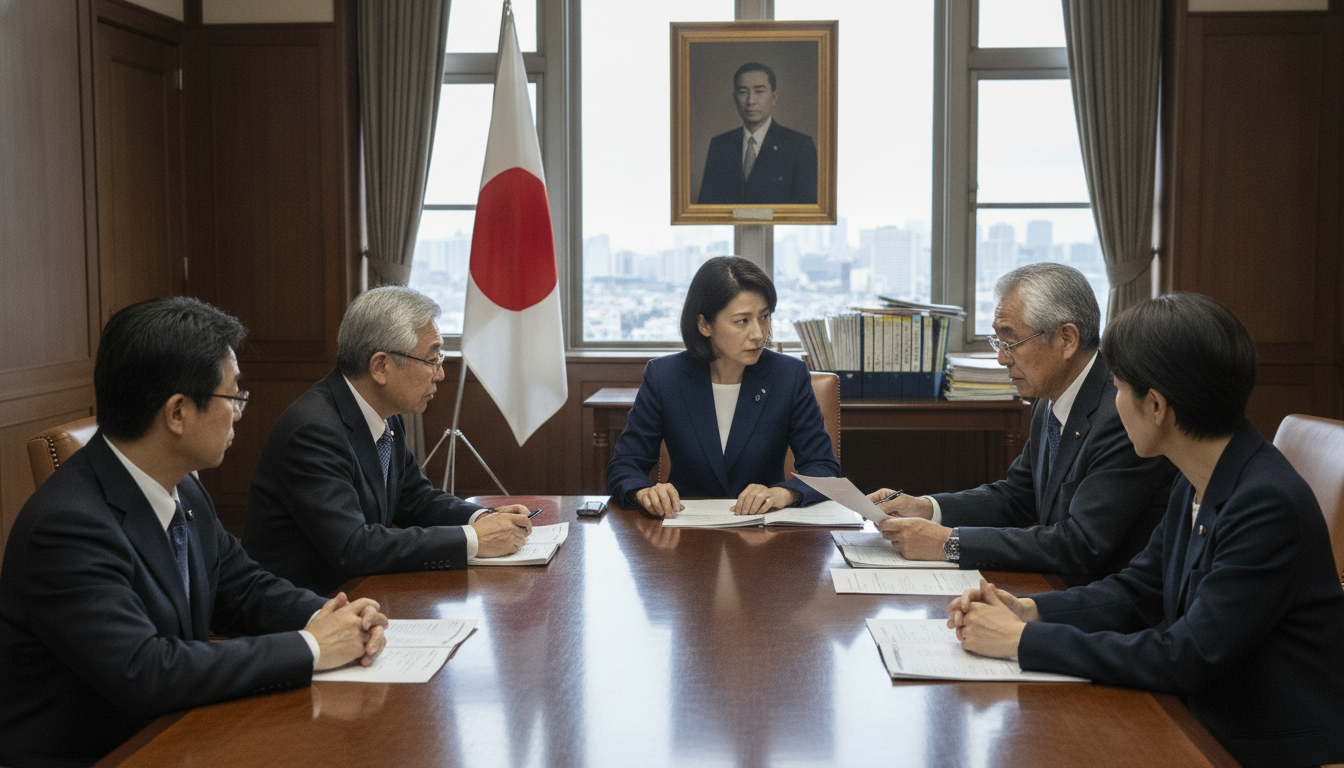
Party officials said the postponement followed weeks of rising tension after the prime minister publicly outlined the cut without first securing broad internal agreement. Several senior LDP lawmakers told colleagues they were taken off guard by the timing and the lack of detailed fiscal estimates accompanying the proposal. The vote delay on July 31 was framed by parliamentary leaders as an opportunity to seek additional analysis and wider consultation within caucuses and policy units.
The pushback has highlighted an organizational split between lawmakers who prioritize immediate electoral relief for households and those who emphasize fiscal discipline and predictable budgeting. That split was amplified by the perception among some members that the proposal had been presented as a fait accompli rather than a settled party initiative. Officials said further sessions and working-group deliberations would be scheduled before any resubmission to the party for a formal decision.
Outline of the 1% food tax proposal
The prime minister’s plan would cut the consumption tax on food to a flat 1% rate, a change intended to ease day-to-day costs for households and address public anxiety over living expenses. The measure is presented as targeted relief aimed at essentials, distinguishing it from broader tax reforms that affect all goods and services. Government aides have described the proposal as politically popular but administratively complex, given exemptions, point-of-sale adjustments, and existing reduced-rate frameworks.
Officials have not released a full timetable for implementation or detailed transition rules, and they have acknowledged there are technical hurdles in adjusting current tax collection systems. The lack of granular fiscal modeling accompanying the proposal is a principal source of the party’s concern. Lawmakers and bureaucrats have pushed for an independent cost estimate before any vote to clarify the measure’s immediate budgetary impact.
Funding gap and potential fiscal remedies
Party members raised questions about how the tax cut would be financed amid already stretched public coffers and rising social spending obligations. Analysts and some lawmakers pointed out that carving out revenue from a major tax base without compensatory measures typically requires either cuts to other programs, additional borrowing, or compensatory revenue measures elsewhere. Each option carries trade-offs for the government’s medium-term fiscal trajectory.
Conversations inside the LDP have included proposals for temporary spending reprioritization, phased implementation, and targeted offsets, but none of these options has yet received broad endorsement. Several members stressed the political risk of promising relief now that could compel future administrations to raise taxes or slash benefits. Those concerns weighed heavily in the decision to delay a final party endorsement.
Internal party divisions and reactions from lawmakers
The episode has exposed fault lines between factions that favour immediate voter-friendly policies and those committed to conservative fiscal management. Some rank-and-file MPs voiced frustration that the leadership bypassed customary intra-party consultation, arguing that unilateral announcements undermine collective decision-making. Others expressed sympathy with the aim of reducing household burdens but insisted on rigorous costings before committing.
Regional LDP branches, mindful of local electorates’ priorities, reacted with mixed messages, seeking clarity on whether the cut would materially improve living standards and how it would affect municipal finances. Opposition parties seized on the internal dispute to question the government’s readiness to manage public finances responsibly. The standoff has prompted calls from several LDP lawmakers for a disciplined review process and clearer communication with voters.
Political stakes for Takaichi and the ruling coalition
The delay raises immediate political questions about Prime Minister Takaichi’s leadership style and her ability to steer major fiscal policy through a party known for internal bargaining. Observers note that rolling out a high-profile tax cut could boost short-term public approval if managed smoothly, but missteps risk eroding the government’s credibility on economic stewardship. For a party preparing for future electoral tests, cohesion on fiscal matters is widely seen as essential.
Coalition partners and key committee chairs will now play a larger role in reshaping the proposal, and the coming weeks are likely to involve intensified negotiations to reconcile relief aims with fiscal constraints. Officials suggested that any revised proposal would need to be accompanied by a transparent funding plan and clear implementation mechanics to gain the necessary backing.
The party’s decision to pause the vote signals that the consumption tax cut proposal will remain a live political issue rather than a settled policy. Lawmakers and ministers now face the task of balancing voter demands for relief against obligations to maintain fiscal credibility, with the outcome likely to influence both budget planning and electoral dynamics in the months ahead.

