
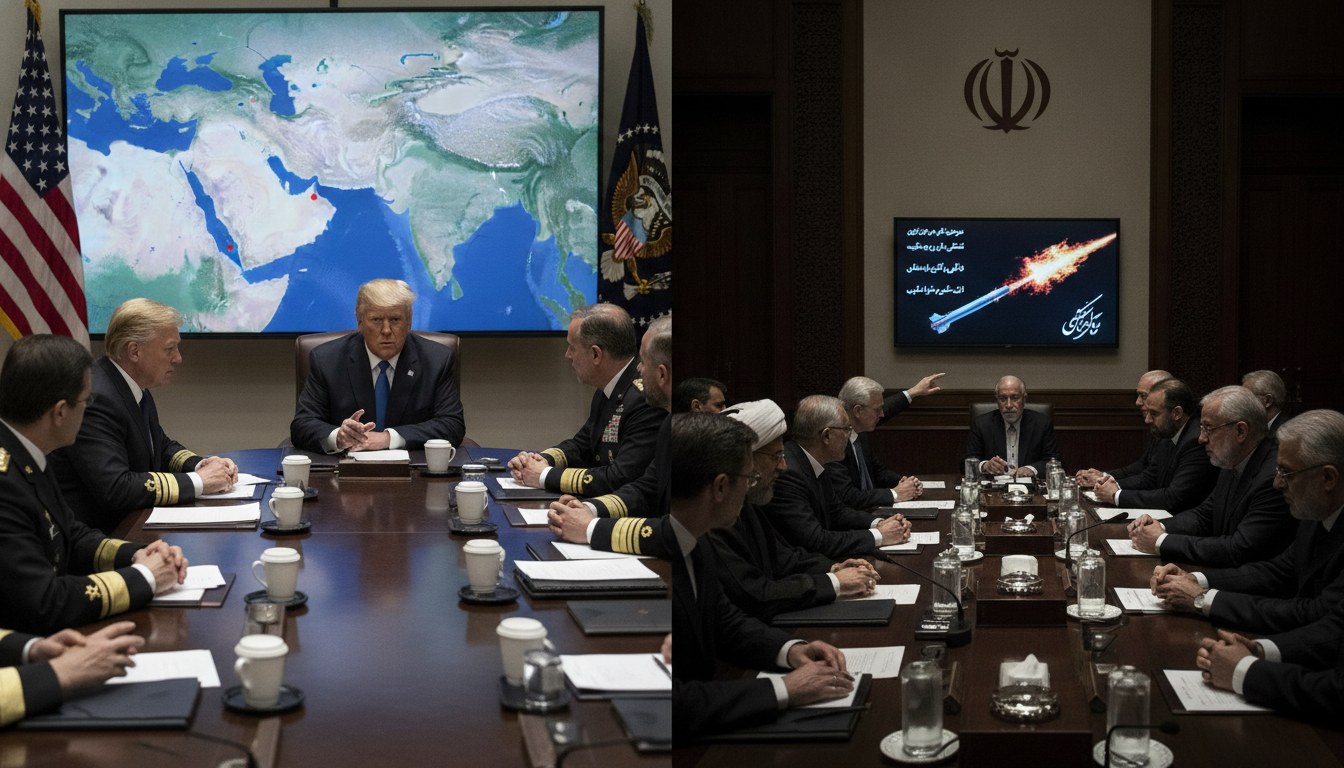
U.S. Reportedly Plans Strikes on Iran Energy Facilities as Tehran Warns of Retaliation
US reports say strikes are planned against Iran energy facilities; Tehran warns retaliation amid July Strait of Hormuz clashes, stoking fresh regional tensions.
The U.S. is reportedly considering military strikes on Iran energy facilities, multiple U.S. media outlets reported on July 31, raising the prospect of a new escalation in the Gulf. The reports say targets under consideration include power stations and refineries, which would mark a direct move against Iran’s civilian energy infrastructure. The possibility of strikes on Iran energy facilities has prompted sharp warnings from Tehran, which has signalled readiness to respond to any attack.
U.S. media report plan and timeline
According to U.S. media reporting on July 31, the White House has reviewed options that would target Iran’s energy network, though officials have not publicly confirmed operational orders. Reports cite anonymous U.S. sources who described the planning as advanced enough that coordination with key partners is under way. Journalists and analysts note that striking energy infrastructure would be intended to degrade Iran’s ability to sustain economic and military operations, but would also carry significant civilian and diplomatic consequences.
The timing of the reports follows weeks of heightened incidents in the Gulf region, and the media coverage indicates that policy deliberations remain ongoing rather than indicating an imminent, finalized strike. U.S. outlets emphasise that public statements from U.S. officials have so far remained cautious, while discreet channels with allies have reportedly been used to discuss contingency options.
Targets and coordination with Israel, sources say
One major U.S. outlet reported that the United States has notified Israel of the potential plan and is consulting with regional partners on target selection and timing. The sources suggested that possible targets include electricity plants, oil refineries and other energy-related infrastructure, which the U.S. views as strategic leverage over Tehran. Coordination with Israel, if confirmed, would reflect shared concerns in Washington and Jerusalem about Iran’s regional influence and military capabilities.
Officials speaking off the record told reporters that planners are weighing the military effectiveness of such strikes against the political and humanitarian fallout. Striking civilian energy facilities could disrupt essential services for large segments of the Iranian population, complicating legal and ethical calculations for policymakers and advisers involved in any authorization.
Tehran warns of retaliation and deterrent posture
Iranian authorities have publicly signalled that they would consider any attack on energy infrastructure a serious provocation warranting retaliation. State statements and media in Tehran have framed the potential strikes as violations of Iranian sovereignty, and commanders of Iran’s security forces have warned that Tehran will respond in kind. Those warnings underscore Tehran’s stated doctrine of deterrence and its capacity to target regional interests tied to U.S. partners.
Analysts caution that Iranian responses need not mirror U.S. options and could take asymmetric forms, including strikes on shipping, cyber operations, or support for allied militia across the region. Such moves would raise risks to commercial navigation and energy markets, particularly in and around the Strait of Hormuz, where a substantial share of global seaborne oil transits.
Background: June memorandum and recent Strait of Hormuz incidents
The reported plan comes after Washington and Tehran concluded a memorandum in mid-June aimed at reducing direct confrontations, yet clashes and incidents continued in July. That earlier agreement sought to establish mechanisms for de-escalation, but both sides have since accused each other of violating understandings through attacks on shipping and other provocations. In July, a series of exchanges around the Strait of Hormuz heightened fears that localized incidents could spiral into broader conflict.
Observers say the pattern of episodic violence since mid-June reflects fragmented command-and-control dynamics among Iran-aligned groups and persistent mistrust between Tehran and U.S. regional partners. The deterioration of the informal ceasefire underscores how fragile de-escalation pacts can be when underlying grievances and strategic competition remain unaddressed.
Regional and international implications
A campaign against Iran energy facilities would reverberate across the Middle East and beyond, with potential impacts on global oil markets, maritime security and diplomatic alignments. Countries reliant on Gulf energy exports would be closely monitoring any military action that could disrupt supplies, and insurers and shipping companies would likely respond swiftly to elevated risks. International actors, including European and Asian governments, would face pressure to articulate positions and possibly mediate to avert a broader confrontation.
Diplomats warn that escalation could complicate ongoing negotiations on other regional issues and diminish avenues for dialogue. Humanitarian concerns would also mount if civilian power and fuel supplies were curtailed, prompting calls from international organisations for restraint and protection of non-combatants.
The unfolding reporting on plans to strike Iran energy facilities adds a new, volatile chapter to an already tense period in the Gulf. As U.S. and Iranian officials continue to calibrate responses, regional actors and global markets will be watching closely for any concrete orders or retaliatory moves that could alter the security landscape.

