
Japan Advances Nuclear Reactor Replacement Plan Amid Severe Workforce Shortage
Japan’s government approved a plan to pursue nuclear reactor replacement, including up to five new reactors by the 2040s, but a critical shortage of skilled workers threatens timelines.
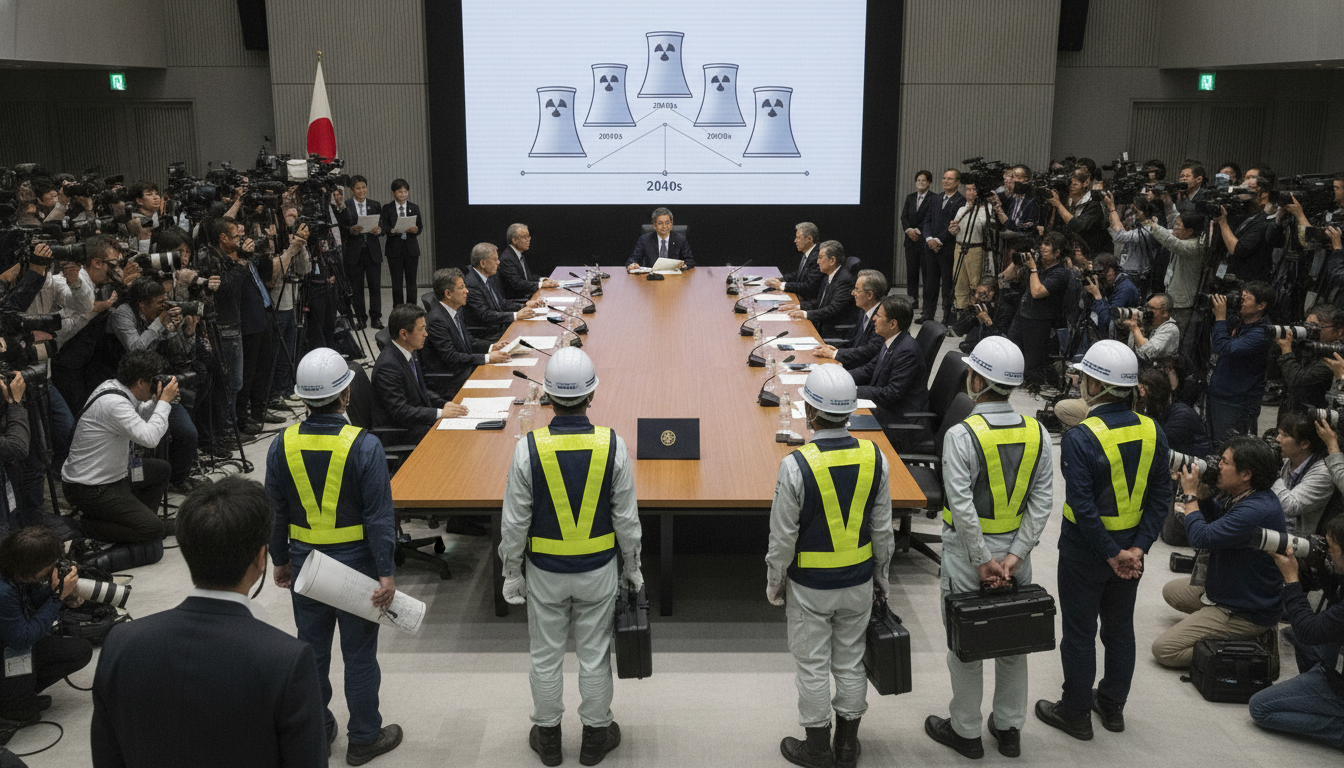
TOKYO — Japan has moved forward with a government plan to replace decades-old nuclear reactors, setting a target to build up to five new units by the 2040s while highlighting acute staffing shortfalls in the nuclear sector. The nuclear reactor replacement program was approved at the end of July 2026 and is being promoted as central to the country’s bid for greater energy independence. Industry groups warn that 70% of firms involved in reactor construction and maintenance report difficulty finding enough qualified personnel, raising concerns over the plan’s feasibility.
Government Approves Reactor Replacement Plan
The Cabinet approved the reactor replacement initiative on July 31, 2026, endorsing a long-term roadmap to bring new nuclear capacity online through the 2040s. Officials framed the decision as a strategic move to shore up baseload power and reduce reliance on imported fossil fuels amid global market volatility. The plan includes measures to streamline regulatory approvals and provide financing pathways for utilities and consortiums that commit to replacement projects.
The government emphasized that the program will proceed within existing safety frameworks and that site-specific approvals and safety assessments remain prerequisites. Nuclear regulators will continue to conduct stringent inspections and safety reviews before construction permits are granted, officials said.
Scope and Timeline for New Reactors
Under the approved blueprint, Tokyo aims to authorize the construction of up to five new reactors staggered through the 2030s and into the 2040s. The government did not commit to exact locations or reactor designs, leaving decisions to utilities and local governments while retaining authority over national energy planning. Proponents say the approach allows time for advanced reactor designs and supply-chain adjustments.
Construction schedules will depend on regulatory clearances, local consent, and financing arrangements. Even with swift approvals, industry sources caution that bringing a reactor from permit to commercial operation typically spans a decade or more, especially for new-build sites.
Workforce Shortage Poses Major Risk
A widespread shortage of specialized labor is emerging as a primary obstacle to timely reactor replacement, with roughly 70% of firms in the sector reporting recruitment difficulties. The shortfall spans skilled trades, licensed nuclear operators, safety engineers, and experienced project managers necessary for complex construction and commissioning phases. Industry insiders say decades of low hiring following the 2011 Fukushima disaster have left a thin pipeline of experienced workers.
The scarcity extends beyond front-line construction to include supply-chain firms that manufacture reactor components, inspection services, and decommissioning specialists. Rebuilding that capacity will require sustained investment in training, certification programs, and incentives to attract workers into high-skill nuclear roles.
Industry and Labor Market Responses
Utilities and plant operators are beginning to outline measures intended to expand the talent pool, including partnerships with vocational schools, accelerated retraining for engineers, and apprenticeship schemes. Some companies plan to offer signing bonuses, tuition assistance, and career pathways to former employees to entice mid-career technicians back into the sector. Local governments are weighing initiatives to support housing, relocation allowances, and community engagement to secure local consent.
Labor unions and technical associations have called for clear staffing standards and robust safety training programs to ensure quality as hiring scales up. Several industry groups are urging the national government to fund national training centers and to certify standardized curricula so new workers meet consistent competency benchmarks.
Safety, Regulation and Public Confidence
Regulatory authorities stress that any reactor replacement must satisfy rigorous safety and environmental standards before construction or operation can proceed. Lessons from past incidents have hardened public scrutiny, and municipal consent will remain a critical step in many locations. Independent oversight and transparent communication about safety measures are likely to shape local acceptance of replacement projects.
Experts note that maintaining safety requires not only rules on paper but a depth of experienced personnel to implement and audit procedures. Without enough qualified inspectors, operators could face delays or operational constraints, increasing costs and stretching timelines further.
Economic and Energy Security Implications
The government argues that new reactors will strengthen energy security, lower long-term generation costs, and support carbon reduction goals by providing low-carbon baseload power. However, the economic case depends on timely completion and predictable construction costs, which are vulnerable to labor shortages and supply-chain bottlenecks. Delays could push utilities toward alternative investments in thermal generation or renewables to meet near-term needs.
Local economies that host reactor projects may see a boost from construction-related jobs, but long-term benefits hinge on sustainable workforce development and community acceptance. Policymakers face a balancing act: accelerate capacity to reduce fuel imports while ensuring safety and preserving public trust.
The success of Japan’s nuclear reactor replacement will hinge on closing the personnel gap through coordinated action among government, industry and educational institutions. Achieving the 2040s buildout target will require not only funding and regulatory certainty but a rapid expansion of certified technical talent across the nuclear sector.

