
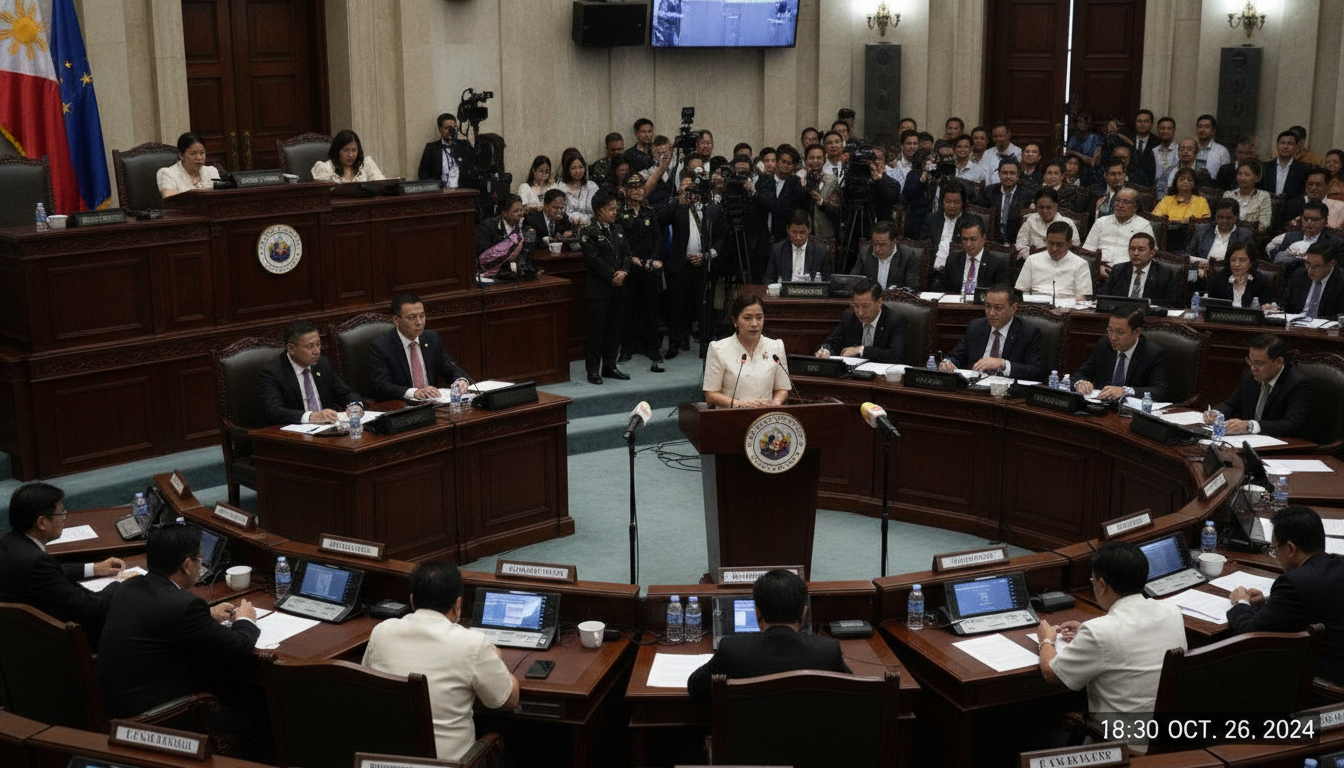
Sara Duterte impeachment trial drags on as political benefits emerge for vice president
Philippine senators continue a prolonged Sara Duterte impeachment trial, a development analysts say could strengthen her position for a 2028 presidential bid.
The longer-than-expected Sara Duterte impeachment trial has entered another week of procedural hearings in the Senate, with both prosecution and defense teams exchanging document requests and scheduling motions. The delay has given Vice President Sara Duterte additional media attention and a platform to frame the case to voters, a dynamic analysts say may ultimately help her political trajectory rather than damage it.
Impeachment proceedings remain procedural and extended
The Senate has paced the Sara Duterte impeachment trial through a series of procedural steps, including evidence submissions, witness scheduling, and legal challenges to the admissibility of documents. Those formal motions and requests have consumed session time, slowing substantive testimony and allowing both sides to shape public narratives between hearings. This measured tempo has led legal observers to describe the process as stretching beyond initial expectations, with implications for how the public perceives the case.
Evidence collection and document reviews continue
Senators overseeing the trial have focused on the collection and examination of documents described as central to the charges, prompting multiple exchanges of “confidential funds” records and affidavits. Lawyers for the defense and prosecution have filed competing motions to admit or exclude certain evidence, a contest that has required careful legal argumentation and time for judicial-style rulings. These procedural battles mean that high-profile witness testimony has been deferred, prolonging media coverage and public attention on the impeachment process.
Political calculations point to potential benefits for a 2028 campaign
Political analysts monitoring the Sara Duterte impeachment trial warn that prolonged exposure can solidify name recognition and cultivate sympathy among supporters, particularly when the defendant frames the proceedings as politically motivated. For a politician with national ambitions, sustained visibility can be repurposed into campaign momentum, fundraising opportunities, and coalition-building. Analysts also note that how Duterte’s camp handles hearings—whether by mounting a vigorous legal defense or using the floor for political messaging—will shape how the electorate interprets the trial ahead of any 2028 bid.
Allies and opponents use the trial to sharpen their messaging
Supporters of Sara Duterte have rallied around calls for due process and criticized what they describe as partisan targeting, while opponents insist the allegations require full adjudication regardless of political status. Political parties and prominent figures have used statements and social media to amplify their positions, turning legal points into campaign talking points. The polarized environment has allowed both sides to mobilize base voters, and officials close to the administration have publicly defended the vice president’s conduct even as the Senate proceeds with the formal process.
Legal experts highlight precedent and institutional stakes
Constitutional scholars and former judges observing the trial emphasize its potential to set procedural and evidentiary precedents for future impeachment cases in the Philippines. The handling of confidential fund records, witness immunities, and the Senate’s evidentiary thresholds may be cited in later proceedings involving other officials. Experts caution that the trial is testing not only the facts of the specific complaint but also the Senate’s capacity to balance legal rigor with political pressures in high-profile cases.
Public opinion remains volatile but attentive
Pollsters and civic groups report fluctuating public sentiment as the Sara Duterte impeachment trial continues, with trends showing increased attention to the vice president’s actions and the Senate’s handling of the matter. While some segments of the population view a drawn-out trial as evidence of a thorough process, others see delay as political maneuvering or judicial theater. Observers say that shifts in public opinion will likely hinge on forthcoming witness testimony, the clarity of documentary evidence, and how effectively each side explains complex legal matters to ordinary voters.
The trajectory of the Sara Duterte impeachment trial will depend on forthcoming rulings from the Senate on evidence and witness participation, and on the political choices made by both the vice president’s team and her adversaries. As the process unfolds, its impact may extend beyond immediate legal outcomes to influence alliances, campaign strategies, and voter perceptions ahead of the next presidential contest.

