
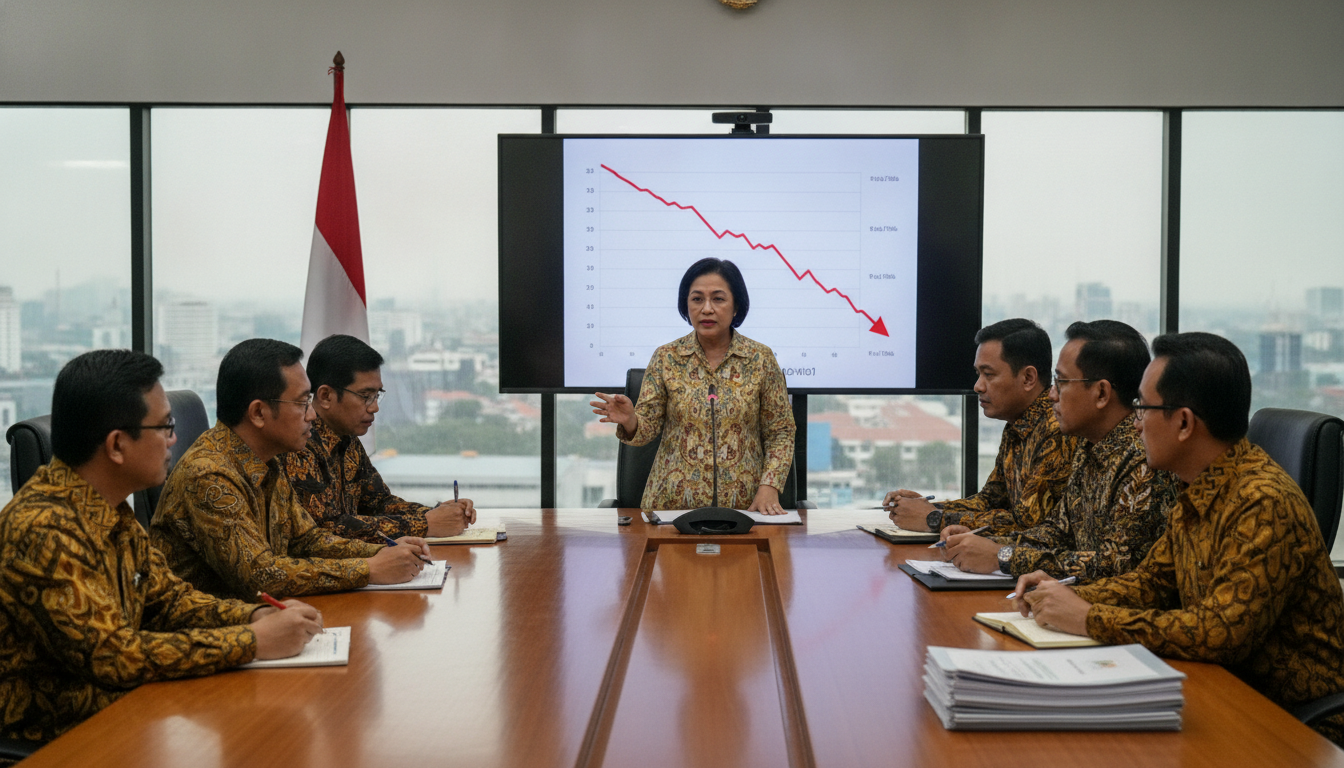
Indonesia GDP growth slows in Q2 as household spending eases and external shocks bite
Indonesia GDP slowed in the second quarter, official data released on August 5, 2026, showed, with household spending weakening and the broader economy feeling the effects of external disruptions. The slowdown came in the absence of a major Islamic holiday boost and as the impact of the Iran war and rising fuel costs became increasingly visible.
Q2 slowdown in Indonesia GDP
The latest official release showed a clear moderation in growth momentum during the April–June quarter, driven primarily by softer domestic demand. Household consumption, a key engine for the economy, lost pace after the seasonal stimulus from a major religious festival was absent this quarter.
Business activity and domestic services also registered weaker demand, reflecting reduced discretionary spending by households. Analysts said the pattern suggests the recovery remains sensitive to short-term shocks and calendar effects.
Household spending slips without festival boost
Retail and food purchases that normally rise around major holidays failed to provide their usual lift, leaving household budgets strained. Rising prices for essentials, notably fuel, have eroded purchasing power and altered consumption patterns across income groups.
Household caution showed up in lower spending on non-essentials and more conservative saving behavior, which in turn weighed on sectors reliant on domestic demand. With wage growth patchy, the scope for a quick consumer rebound appears limited without targeted policy support.
External shocks amplify domestic pressures
Officials highlighted the spillover from geopolitical tensions in the Middle East, which have kept energy and shipping costs elevated and pressured import bills. The Iran war has contributed to higher global fuel prices, further squeezing household finances and adding to inflationary pressures.
External demand also showed signs of fragility, with export growth constrained by slower trading partners and supply-chain disruptions. The combination of higher import costs and softer foreign demand complicates the outlook for export-led growth in the near term.
Government presses case for a ‘significant game changer’
Despite the slowdown, government forecasts for the full year remain relatively upbeat, but authorities cautioned that meeting those targets will require an outsized improvement in economic conditions. Officials have described the situation as needing a “significant game changer,” pointing to factors such as a sharp pickup in private consumption, stronger investment, or an unexpected surge in exports.
Policymakers are balancing a desire to support growth with concerns about fiscal sustainability and inflation. The government has signaled readiness to consider targeted measures to shore up vulnerable households and stimulate demand if downside risks persist.
Policy options and market implications
Economists say several policy levers could help steady growth, including targeted fiscal transfers, temporary tax measures to boost consumption, and public investment to support employment. Monetary authorities face the challenge of containing inflation without overly constraining credit conditions needed for a rebound in investment.
Market participants will watch forthcoming data for signs of stabilization in consumption and a moderation in fuel-driven inflation. Any concrete policy moves will also be evaluated for their likely effectiveness and timing, given the trade-offs between short-term support and longer-term macroeconomic stability.
The path for Indonesia GDP in the coming quarters will depend on how quickly domestic demand recovers and whether external conditions ease. A durable recovery will likely require a combination of supportive fiscal policy, stable global energy prices, and a restoration of consumer confidence.

