
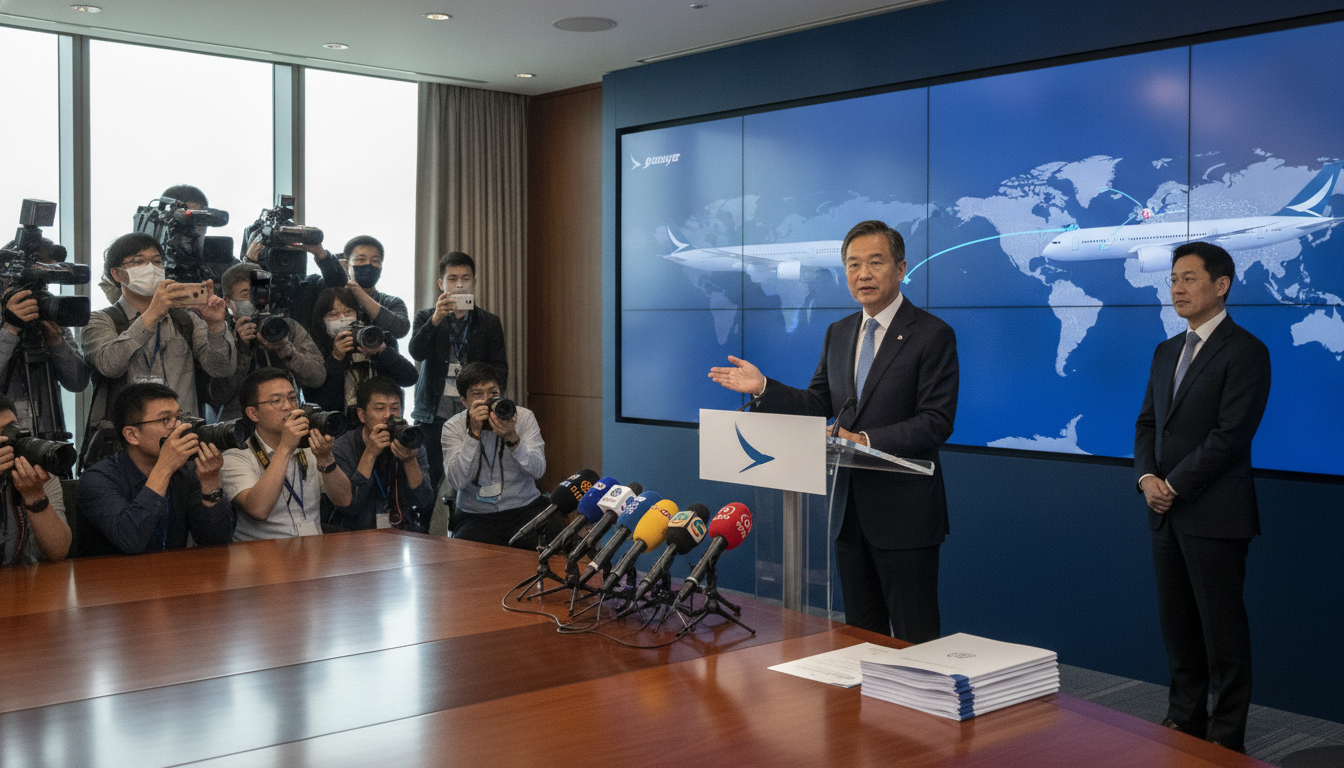
Cathay Pacific to Invest $19bn After Posting Second-Highest H1 Earnings
Cathay Pacific posts second-highest H1 earnings and plans $19bn fleet upgrade to expand global network, signalling resilience amid Middle East fuel volatility.
Cathay Pacific reported its second-highest first-half earnings in company history while announcing a $19 billion investment to upgrade its fleet and broaden its network. The Hong Kong flag carrier said strong demand and disciplined operations allowed it to withstand fuel-price pressures linked to the conflict in the Middle East. Management framed the capital plan as a multi-year push to modernize aircraft and capture recovering international travel demand.
H1 results: Second-highest earnings
Cathay Pacific recorded substantial profitability for the first six months of the year, a performance the airline described as its second-best opening half on record. Executives attributed the result to robust passenger demand across key markets and improved operational efficiency since the pandemic-era downturn.
The carrier also highlighted that disciplined capacity management and higher yields on long-haul routes supported its margins. While the company did not disclose every line-item in this release, the overall message was that the balance sheet has strengthened enough to fund large-scale investment.
$19 billion fleet investment plan unveiled
The airline said it will commit $19 billion to fleet upgrades, a package it expects to cover new aircraft orders, cabin refurbishments and related capital spending. Cathay Pacific framed the investment as necessary to refresh its long-haul and short-haul fleets and to improve passenger comfort and fuel efficiency.
Company officials indicated the spending will be phased over several years to align with delivery slots and market recovery. The plan reflects a broader industry trend of carriers replacing older jets with newer models to reduce operating costs and comply with tightening environmental standards.
Network expansion and route strategy
Alongside the fleet announcement, Cathay Pacific signalled intentions to expand its global network, restoring frequencies and pursuing select new links as demand dictates. The airline is prioritizing capacity to high-yield long-haul markets while adjusting regional connectivity to feed hub operations at Hong Kong International Airport.
Management emphasized a data-driven approach to route planning, saying schedules will be adjusted according to seasonal demand and evolving travel patterns. The carrier expects incremental network growth to support revenue per available seat and to leverage Hong Kong’s strategic position as a gateway between Asia and the rest of the world.
Fuel costs and Middle East geopolitical impact
Cathay Pacific said it had largely shrugged off the immediate impact of higher jet fuel prices caused by the conflict in the Middle East, but acknowledged elevated volatility remains a risk. The airline noted that hedging strategies, route optimization and higher ticket yields helped mitigate short-term cost pressures.
Analysts and market observers have warned that sustained fuel-price increases could compress margins across the industry, yet Cathay’s stronger first-half showing suggests some resilience. The carrier will likely continue to monitor geopolitical developments closely and adapt its capacity and pricing strategies accordingly.
Hong Kong hub and competitive positioning
Cathay Pacific said strengthening its hub capabilities in Hong Kong remains a central pillar of its strategy. The carrier aims to use a modernized fleet and expanded schedule to reinforce feeder traffic and long-haul connections through the city’s airport.
The move comes as regional competitors also recalibrate their fleets and networks in response to shifting travel demand. Cathay’s commitment to capital expenditure signals an attempt to preserve market share among premium international travelers and to differentiate on service and connectivity.
Operational priorities and sustainability measures
Operational readiness, crew training and cabin refurbishment were cited as complementary priorities to aircraft acquisition in the airline’s investment plan. The carrier stressed it would balance immediate commercial needs with longer-term sustainability goals, including lower emissions per seat as newer aircraft enter service.
Cathay Pacific also referenced ongoing initiatives to optimize ground operations and digital processes to improve turnaround times and passenger experience. The combined focus on efficiency and environmental performance is intended to position the airline competitively as industry standards evolve.
The airline’s announcement on August 5, 2026, underscores management’s confidence in demand recovery despite external shocks, while committing sizable capital to ensure the fleet and network are prepared for the next phase of global travel growth.

