
Japan to cut consumption tax on food to 1% for two years, Prime Minister Takaichi says
Japan will cut consumption tax on food to 1% for two years, PM Takaichi says. Government to finalise outline in September and seek funding for ~¥10 trillion.
Government Approves Two-Year Cut to 1% for Food Tax
The Cabinet approved a policy on August 5, 2026, to lower the consumption tax on food from 8% to 1% for a two-year period starting April next year. The decision focuses specifically on food items and is presented as a targeted consumption tax cut to relieve household burdens.
Officials described the measure as temporary, with a clear sunset after two years, and emphasized that implementation will require legal changes and administrative preparations. The government said the reduction is designed to take effect from April to ensure businesses and tax systems have time to adapt.
Prime Minister Sets September Deadline for Bill Outline
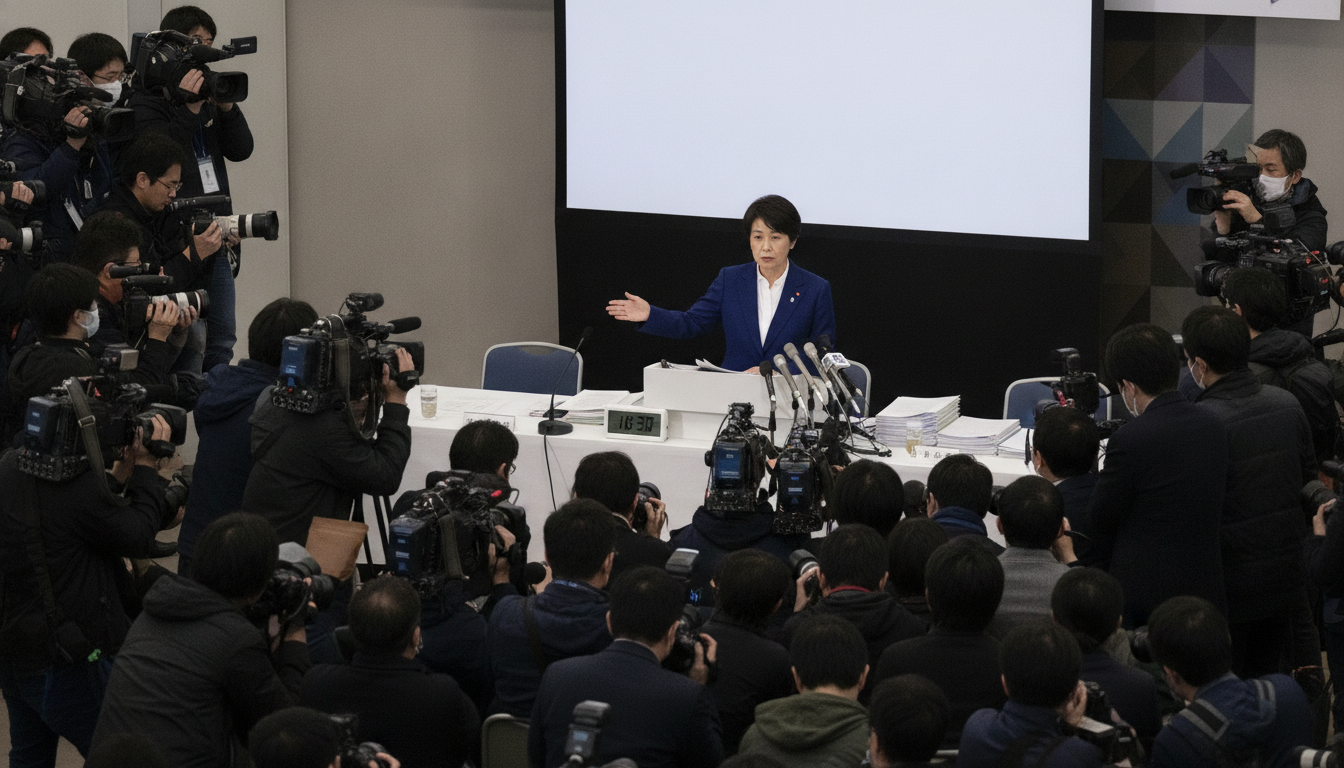
Prime Minister Sanae Takaichi told reporters at the Prime Minister’s Office that the administration intends to finalise a policy outline in September. She said the government will then submit a draft law to the extraordinary Diet and aim for early enactment ahead of the April start date.
Takaichi framed the schedule as necessary to deliver prompt relief while allowing parliamentary scrutiny and debate. The prime minister repeated the cabinet’s intention to move quickly, underlining the political priority placed on measures that ease the cost of living.
Fiscal Impact Estimated at Around 10 Trillion Yen
Government sources estimate that maintaining the reduced 1% rate for two years would require financing on the order of ¥10 trillion. That shortfall has prompted officials to begin detailed work on possible sources of revenue and savings.
When asked about funding, Prime Minister Takaichi reiterated plans to re-examine tax measures and existing expenditure. She said the administration will "deep-dive" into special tax measures, subsidies, non-tax revenues, special accounts and public funds, pursuing a zero-based review to secure additional revenues.
Administration Frames Cut as Relief for Low- and Middle-Income Households
The government has presented the consumption tax cut as a direct response to the combined pressures of higher prices and social insurance burdens. Takaichi emphasized that easing the fiscal load on low- and middle-income households is the government’s most important objective.
Officials say the measure is aimed at immediate relief for those most affected by inflationary pressures on food costs. The administration argues the targeted cut will strengthen purchasing power for vulnerable households while broader fiscal adjustments are explored.
Implementation, Administrative and Business Challenges
Reducing the tax rate for a defined category of goods poses practical challenges for retailers, wholesalers and tax authorities. Businesses will need to update point-of-sale systems, adjust price displays and rework accounting procedures to reflect the temporary 1% rate for eligible food items.
Public and private sector administrators must also establish clear rules on which products qualify as food and how mixed items will be handled. The government has indicated it will issue guidance and work with industry groups to reduce compliance burdens and avoid market confusion.
Legislative Path and Political Considerations
With the government planning to submit a bill to an extraordinary Diet session, parliamentary debate is expected to focus on both the social benefits and long-term fiscal implications. Opposition parties and fiscal watchdogs are likely to scrutinize the proposed funding package and the administration’s zero‑base review approach.
The two‑year limit may shape negotiations, with proponents arguing the sunset clause safeguards fiscal discipline while critics may demand clearer, legally binding revenue measures. Lawmakers will weigh the short-term relief against questions about how the government will replace the foregone tax revenue without undermining other priorities.
Economic and Social Stakes Ahead of Implementation
Economists say that while a targeted consumption tax cut can provide near-term relief for household budgets, its broader effects on inflation, consumption patterns and public finances depend on how it is designed and funded. The government’s choice of offsets—whether from spending cuts, reallocations or revenue measures—will determine the measure’s net fiscal footprint.
Businesses, consumer groups and local governments are watching the timetable that leads to September’s outline and subsequent legislative action. How quickly administrative guidance is issued and funding decisions are finalised will influence the practical impact of the cut when it takes effect next April.
The government now faces a compressed schedule to finalise legal language, secure financing and coordinate implementation measures, even as lawmakers and stakeholders begin detailed scrutiny of the policy.

