
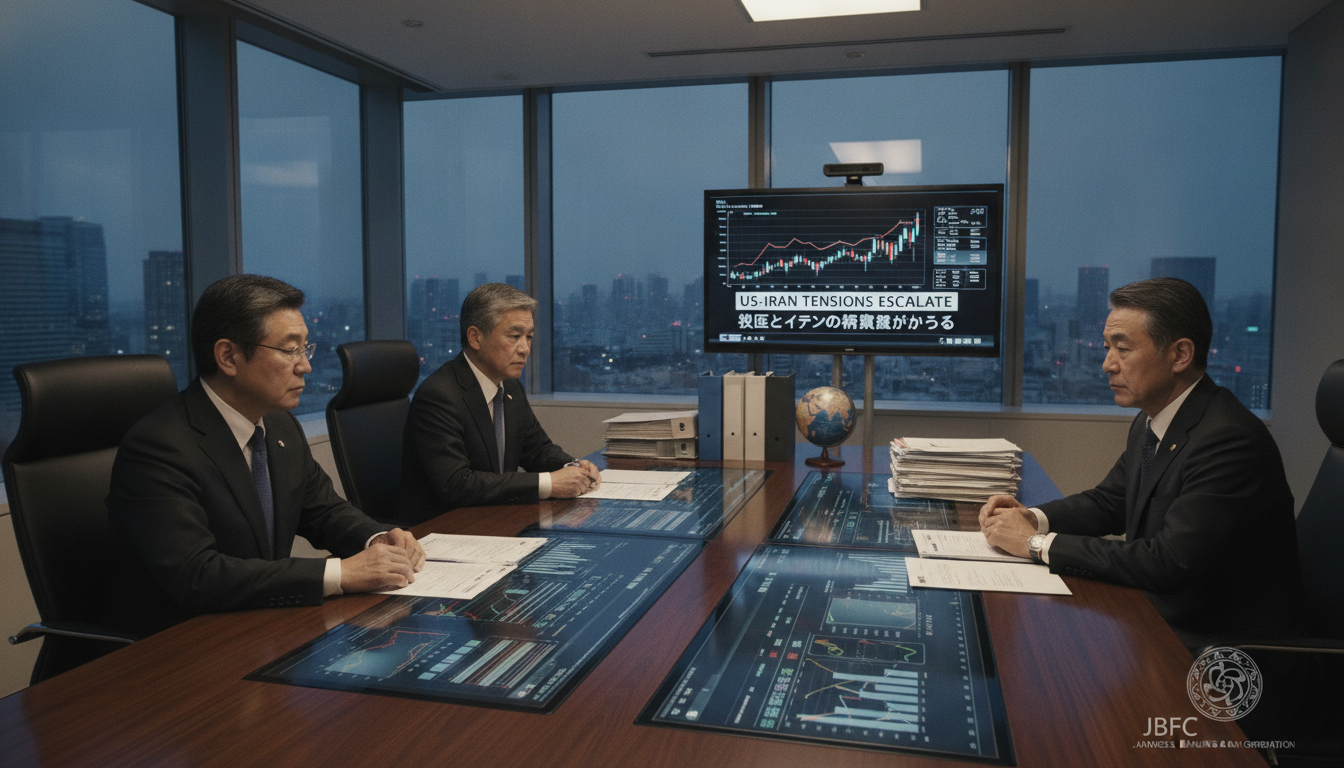
Japan’s Megabanks Bolster Liquidity Ahead of Potential Dollar Funding Surge
MUFG, Sumitomo Mitsui and Mizuho increase foreign-currency buffers to meet potential dollar funding demand as U.S.-Iran conflict spurs corporate needs.
Market move by Japan’s top lenders
Japan’s three largest banks — MUFG, Sumitomo Mitsui and Mizuho — have stepped up efforts to expand foreign-currency liquidity buffers to prepare for a possible surge in dollar funding demand. Bank officials and industry sources said the measures respond to heightened uncertainty tied to the ongoing U.S.-Iran conflict and its impact on corporate cash flows.
The decision reflects a precautionary approach as corporate clients, particularly those with international exposure, seek greater access to dollars to cover trade payments, commodity purchases and short-term hedge requirements. The banks are positioning themselves to deliver quick funding without disrupting domestic lending operations.
Corporate dollar needs rise amid geopolitical strain
Companies with overseas operations and import-dependent firms have signalled increased interest in converting yen or local currency lines into dollar-denominated funding. Financial officers cited by market participants say volatility in oil and commodity markets, together with disruptions to trade routes and payment channels, is prompting firms to secure dollar liquidity now rather than wait.
A sudden scramble for dollar funding can strain interbank markets and force banks to prioritise wholesale clients, which in turn can push up the cost of obtaining dollars. Japan’s exporters and commodity importers are among the most likely to step up demand in the near term.
How banks are shoring up dollar liquidity
The megabanks have responded by enlarging inventories of foreign currency cash and short-term liquid assets, and by reviewing contingency plans that include expanded access to FX swap and interbank funding markets. Banks are also said to be coordinating with their international branches to tap dollar deposits and repo facilities where needed.
These steps are intended to reduce reliance on costly emergency funding and preserve the ability to supply corporate clients with short-term dollar loans and lines. The measures also aim to limit forced asset sales that could amplify market stress.
Potential strains on domestic credit markets
Analysts warn that sustained pressure on dollar funding could have knock-on effects for domestic money markets if banks reallocate resources away from yen lending. Such a shift would risk tightening credit for small and medium-sized enterprises that depend on yen short-term facilities.
Increased demand for dollars can also influence foreign exchange volatility, potentially accelerating yen weakness and prompting further hedging activity by corporates. That feedback loop could exacerbate pressure on liquidity if not managed carefully.
Regulatory and market monitoring
Regulators and market infrastructure providers are monitoring developments, according to banking sources, while urging financial institutions to maintain robust contingency planning. Japanese banking supervisors regularly assess overseas funding exposures as part of resilience checks, and recent actions by lenders reflect those supervisory priorities.
Market participants note that coordination among banks, access to offshore dollar pools and effective use of market-making capabilities will be crucial to avoiding disorderly funding conditions. Timely communication between corporate treasuries and their banks can also reduce the likelihood of last-minute liquidity shocks.
Outlook for banks and corporate treasuries
For the megabanks, the current posture is defensive: build buffers, diversify funding channels and keep lending intact. That strategy seeks to balance the dual obligations of meeting client dollar funding needs and supporting domestic economic activity through continued yen lending.
Corporate treasuries are likely to remain cautious, with many opting to extend their dollar hedges and secure committed lines sooner rather than later. The evolving geopolitical backdrop means that both banks and companies will reassess liquidity positions frequently as market signals change.
The persistence of the U.S.-Iran tensions means dollar funding will remain a focal point for Japanese financial institutions, which are preparing to meet client demand while guarding against disruption to domestic credit and markets.

