
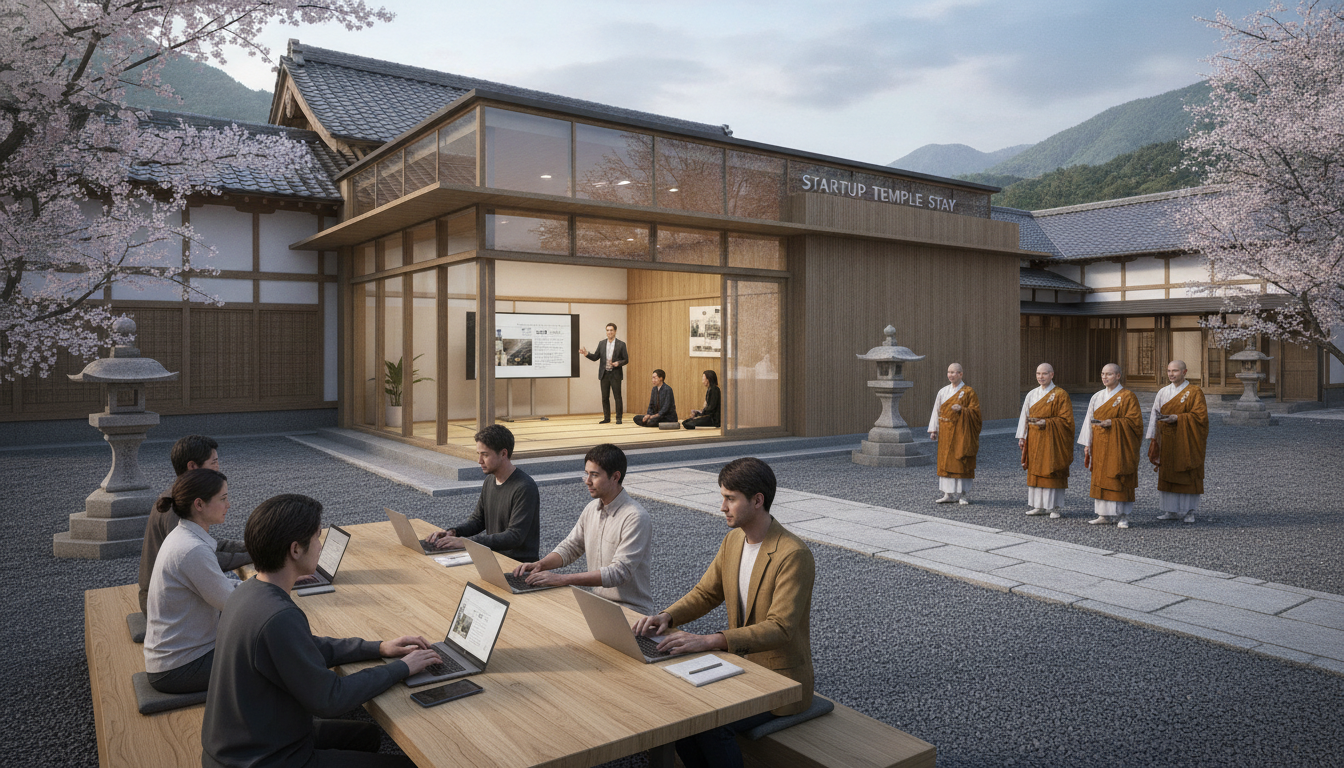
Startup Revives Shukubo Temple Lodgings on Shikoku Henro, Opens Stays at Anrakuji
Startup Temple Stay opens reservations for shukubo temple lodgings at Anrakuji in Tokushima, promoting Shikoku Henro pilgrim visits and boosting local tourism.
The company Startup Temple Stay has begun taking reservations for a shukubo temple lodgings room at Anrakuji in Tokushima prefecture, a move aimed at attracting foreign visitors to the Shikoku Henro pilgrimage route. The initiative seeks to reintroduce traditional temple stays to modern travellers while supporting local economies that have seen renewed interest in spiritual and cultural travel. Organizers describe the offering as part accommodation and part cultural experience, intended to give guests a closer look at monastic life on the island.
Startup Temple Stay begins bookings at Anrakuji
Startup Temple Stay confirmed it has listed a dedicated guest room at Anrakuji, one of the temples on the 88-temple Shikoku Henro circuit. Reservations opened following a period of coordination with temple authorities and local tourism bodies, according to the company’s announcement. The booking availability marks one of the first commercial attempts in recent years to scale shukubo temple lodgings for international pilgrims visiting Shikoku.
Anrakuji’s room and guest experience described
The room at Anrakuji is being offered as a traditional overnight stay with opportunities to observe morning rituals and sample temple cuisine. Organizers say the experience emphasizes low-impact tourism and authenticity, pairing basic accommodation with respectful access to religious spaces. The arrangement is designed for visitors who seek cultural immersion rather than luxury, reflecting the historical purpose of shukubo as resting places for pilgrims.
Shikoku Henro interest driving demand
Interest in the Shikoku Henro pilgrimage has grown among overseas travellers drawn to Japan’s religious heritage and scenic routes, tourism officials and local businesses report. Pilgrimage interest has been aided by social media exposure and renewed international travel following pandemic-era restrictions. That demand has prompted hotels, guesthouses and now startups to expand offerings that cater specifically to pilgrims and culturally minded visitors.
Economic effects on Tokushima businesses
Local inns, eateries and tour operators in Tokushima are positioning themselves to benefit from the renewed focus on temple-based lodging. Stakeholders say even modest increases in overnight stays can support rural businesses and slow population loss by bringing steady seasonal income. Municipal officials have indicated interest in partnering with private operators to coordinate visitor services while preserving community needs and temple operations.
Conservation and operational challenges ahead
Reviving shukubo temple lodgings raises operational questions about infrastructure, staffing and preservation of sacred practices. Temples historically served pilgrims with communal meals and simple rooms, but adapting to contemporary hygiene standards and booking systems requires investment and training. Temple leaders and tourism planners will need to manage visitor numbers to protect sanctity and avoid overcommercialization of religious sites.
Policy and community coordination noted
Municipal and prefectural authorities are weighing support measures to ensure that new lodging initiatives align with broader tourism strategies. Possible steps include training for hosts on cross-cultural etiquette, modest facility upgrades, and joint marketing efforts to promote responsible pilgrim tourism. Community groups have generally welcomed new visitors, while urging that growth respect local rhythms and the religious mission of temple sites.
Startup Temple Stay’s opening at Anrakuji forms part of a wider trend of reimagining traditional pilgrimage services for the 21st century. By linking digital reservation systems with on-the-ground hospitality, the model aims to make shukubo stays accessible to a generation of travellers seeking meaningful cultural experiences. Continued collaboration among temples, startups and local governments will determine whether the initiative can balance visitor demand with preservation of Shikoku’s spiritual heritage.

