
Aeon Mall Kumamoto explosion kills seven employees; family says worker returned on company instruction
Aeon Mall Kumamoto explosion killed seven employees, including a 22-year-old who returned after evacuating; relatives allege the employer told staff to re-enter the building.
The Aeon Mall Kumamoto explosion on August 2, 2026, left seven mall employees dead, one of whom was 22-year-old Kurumi Otake who returned to the building after an initial evacuation, relatives and witnesses said. Kurumi Otake had evacuated to the parking area after strong shaking from a quake that registered a maximum seismic intensity of 7 in the region, but went back inside shortly afterward and was caught in the blast, according to family members. Relatives allege the company instructed some staff to re-enter the mall to secure cash and complete other duties, a claim that has intensified calls for a thorough investigation into employer conduct during disasters.
Immediate Aftermath and Casualties
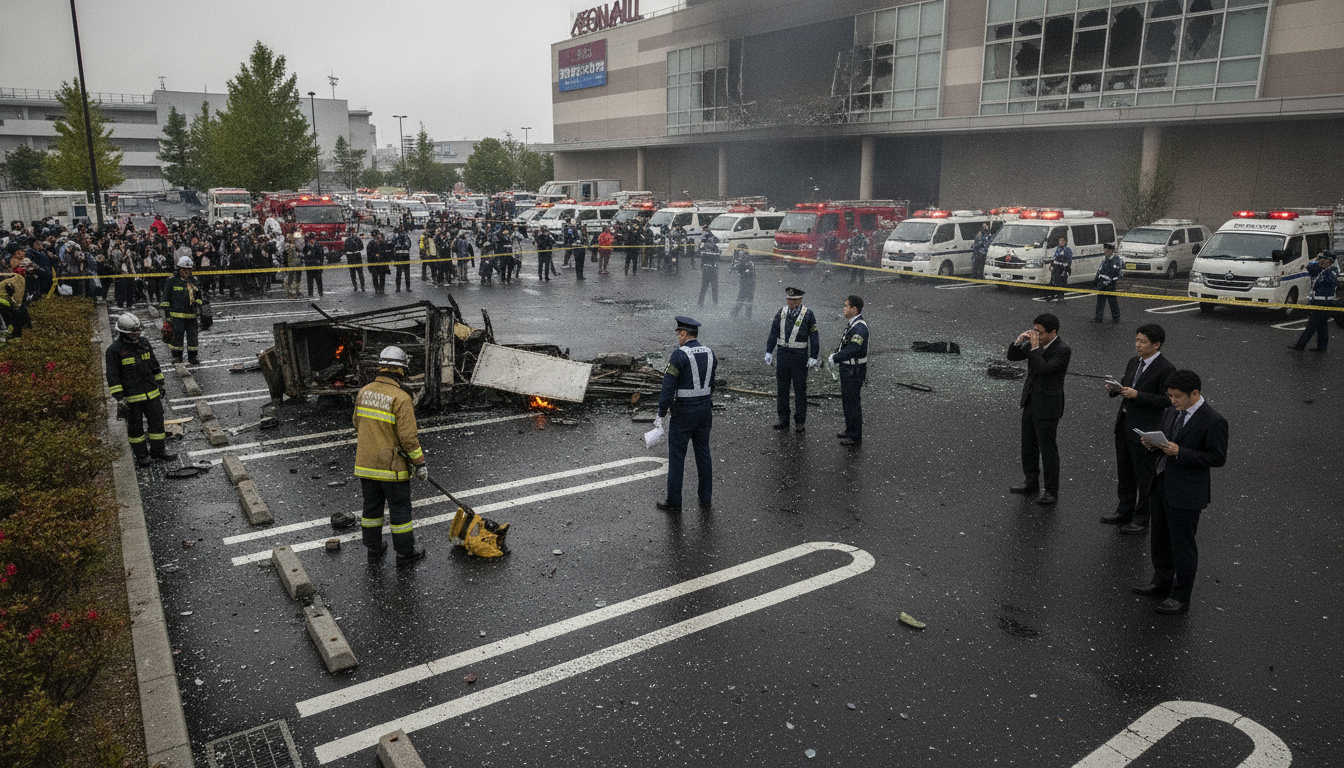
Emergency teams responding to the scene at Aeon Mall Kumamoto found multiple fatalities and injured patrons and employees following the explosion inside the shopping complex. Local authorities have confirmed seven employee deaths, and rescue operations shifted to recovery and structural safety assessments once the site was stabilized. Officials said the blast occurred in the wake of powerful seismic activity that disrupted infrastructure across the area and complicated early rescue efforts.
Relatives and mall patrons described chaotic scenes as people attempted to flee the structure after the earthquake and subsequent secondary incidents. The mall sustained visible damage in parts of its interior, and emergency responders cordoned off affected zones to search for survivors and secure potential hazards. Municipal emergency officials have emphasized that priorities included preventing further collapse and mitigating fire or gas risks while accounting for missing persons.
Employee Account and Family Statement
Kurumi Otake, 22, had worked for a retail operator that ran a small goods shop in the mall and was transferred to Aeon Mall Kumamoto in early July, relatives said. On the day of the earthquake she evacuated outside with co-workers and briefly met family members who were visiting the mall to shop. According to a male relative, she told her aunt and cousin she would return because “the company told us to put register money in the safe,” and left the parking area with colleagues.
Family members say the last digital traces from Otake’s smartphone placed her inside the mall at the time of the explosion, and they are demanding answers about the instruction to re-enter the building. “Isn’t it the employer’s first duty to protect employees’ safety?” the relative said, expressing anger and grief over what he characterized as a preventable loss. The family is pressing for clarification on who gave the direction and what the employer’s emergency protocols were.
Timeline of Evacuation and Blast
Witness accounts indicate the sequence began with a major earthquake that prompted an initial evacuation to the mall’s parking lot, where many customers and staff gathered briefly. Within minutes, several employees reportedly returned to the mall to perform duties such as securing cash from registers, restocking, or checking on inventory, actions relatives say were prompted by managerial instruction. The explosion occurred about five minutes after Otake and other staff re-entered, according to relatives’ accounts and on-site witnesses.
Investigators are compiling camera footage, employee phone logs, and testimony to reconstruct the timeline precisely, while emergency services continue to inspect structural integrity. Authorities are treating the explosion as the subject of an active inquiry and have not yet publicly identified a definitive cause, saying forensic examinations and technical analyses are ongoing.
Company and Mall Response
Representatives of the mall operator and the retailer that employed the victims have been approached for comment, and corporate spokespeople have indicated they will cooperate with investigators, according to statements provided to local officials. Public statements from the companies have so far been limited as families seek direct answers and as investigators assess legal and safety issues. Company responses will likely factor into whether any administrative or criminal inquiries are launched regarding workplace safety or adherence to disaster protocols.
Employee unions, legal advisers, and labor-rights advocates have indicated they will monitor the response and may call for independent reviews of employer conduct during the emergency. Officials at municipal agencies said they would share findings from ongoing inspections with families and the public as they become available.
Police Investigation and Safety Probes
Police and disaster safety authorities are leading an investigation into the cause of the explosion and whether any criminal negligence occurred. Forensic teams are examining debris patterns, potential gas or electrical sources, and maintenance records for the mall’s infrastructure, while technicians assess whether the quake contributed to a secondary failure that led to the blast. Investigators have also begun taking statements from employees, management, and witnesses to determine who issued directives and why some staff returned inside.
Regulatory agencies have the authority to conduct separate safety probes into workplace practices and building compliance, and officials said they will consider all available evidence once immediate rescue and assessment work concludes. The findings could lead to administrative sanctions, new safety orders, or criminal charges if neglect or willful misconduct is proven.
Labor Safety Questions and Wider Impact
The deaths at Aeon Mall Kumamoto have reignited debate about employer responsibilities during disasters, including whether commercial operators and franchise partners adequately train staff in evacuation and crisis decision-making. Labor advocates argue that companies must prioritize human life over property or cash, and that clear, enforced protocols are essential to prevent tragedies in aftershock-prone regions. The incident has prompted calls for strengthened emergency guidance for retail workers and for clarity on the legal obligations of employers in post-earthquake situations.
Local leaders have urged calm while investigations proceed and have promised support for bereaved families and affected workers, including counseling and financial assistance measures. National labor and safety bodies are watching the case closely as it may prompt reviews of existing regulations governing employee safety during natural disasters.
The families of the victims, including Kurumi Otake’s relatives, continue to seek transparent answers and accountability as recovery efforts move forward. Authorities have pledged to release updateable findings as forensic and administrative reviews progress, and municipal officials have appealed for cooperation from businesses and the public to ensure a thorough and timely investigation.

