
Berkshire Hathaway Eyes Bigger Japan Investments in Major Trading Houses
Berkshire Hathaway eyes larger Japan investments, weighing bigger stakes in five trading houses and expanded joint deals, CEO Greg Abel said on Sept. 3, 2026.
Berkshire Hathaway signaled on Sept. 3, 2026, that it is considering increasing its stakes in Japan’s five largest trading houses as part of a broader push to deepen global dealmaking. The move marks a renewed focus on Japan investments by the U.S. conglomerate and comes during CEO Greg Abel’s first Tokyo visit since taking the helm in January.
Greg Abel’s Tokyo meetings
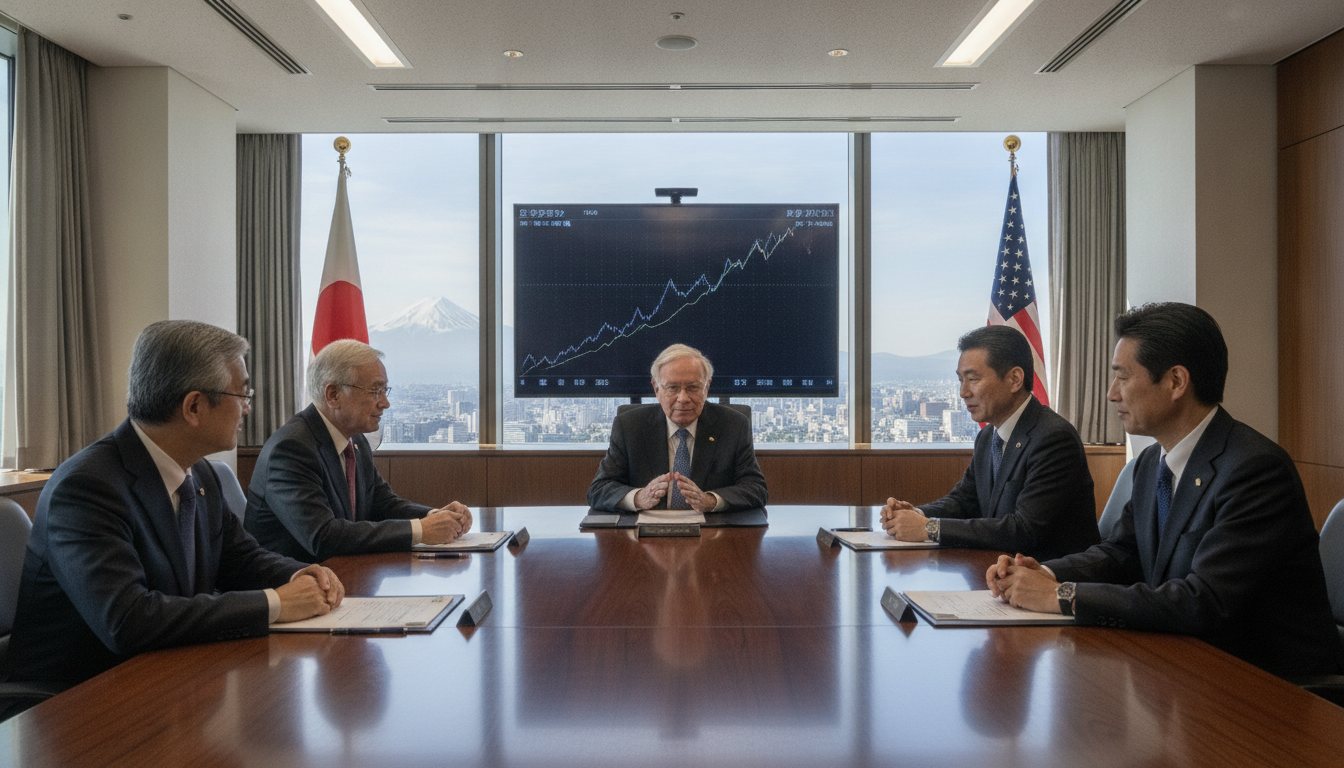
Abel held meetings with senior executives from Mitsubishi Corp., Itochu, Mitsui & Co., Sumitomo Corp. and Marubeni to review performance and explore collaboration. Company briefings and conversations in Tokyo focused on mutual opportunities across energy, commodities and technology sectors.
The trip underscores a hands-on approach by Berkshire Hathaway toward partnerships in Asia, with Abel seeking direct dialogue on potential joint investments and mergers and acquisitions. Officials from the trading houses provided updates on regional operations and flagged areas where pooled capital might accelerate projects.
Berkshire Hathaway stakes under consideration
Berkshire Hathaway is reported to be weighing larger equity positions in the trading houses rather than a single large acquisition, according to executives familiar with the discussions. Increasing stakes in several firms would align with a strategy of diversified exposure to Japanese global trading networks.
The five trading houses operate extensive global platforms spanning resources, logistics, and industrial projects, offering multiple entry points for investment. Greater ownership would give Berkshire Hathaway closer access to deal flow and the ability to co-invest alongside established Japanese partners.
Planned joint investments and M&A strategy
Abel emphasized appetite for joint investments that combine Berkshire’s capital with the trading houses’ deal pipelines, targeting infrastructure, renewables and industrial supply chains. The CEO described potential collaborations as a way to scale projects and share operational expertise across markets.
Mergers and acquisitions remain a parallel focus, with Berkshire signaling openness to strategic transactions that strengthen global footholds. Executives suggested smaller, targeted M&A deals combined with syndicated investments could be the fastest route to deepen ties.
Responses from trading houses and market reaction
Representatives of the trading houses confirmed routine dialogue with global investors but described any potential transactions as subject to board review and regulatory approval. Market observers noted that increased Berkshire participation would be seen as a vote of confidence in the trading houses’ long-term strategies.
Tokyo market reaction was measured, with analysts highlighting the operational complexity and governance considerations involved in any large cross-border stake-building. Investors will watch subsequent disclosures and share movements for indications of concrete deal steps.
Strategic rationale behind Japan investments
Japan’s trading houses offer diversified revenue streams and deep-rooted global networks that complement Berkshire Hathaway’s long-term investment philosophy. Abel’s discussions pointed to sectors where Japan’s industrial expertise and Berkshire’s patient capital can create enduring value.
The trading houses’ exposure to commodities, renewable energy projects and global logistics aligns with investor demand for resilient cash flows and tangible assets. For Berkshire, Japan investments provide geographic diversification and direct access to established project pipelines.
Timing and next steps for dealmaking
Executives described the Tokyo meetings as exploratory, with no formal commitments announced on Sept. 3, 2026. Any moves to increase equity stakes or pursue joint transactions will require due diligence, board approvals and coordination with Japanese corporate governance frameworks.
Observers expect a phased approach, beginning with co-investments or minority stake increases before any larger structural deals are proposed. Corporate filings and subsequent investor briefings will provide clearer milestones as plans advance.
As Berkshire Hathaway signals deeper engagement in Japan, market participants will watch how talks translate into announced deals and what effects they have on global investment flows.
The unfolding dialogue between Berkshire Hathaway and Japan’s top trading houses highlights evolving patterns of cross-border investment and the appeal of strategic partnerships that combine capital strength with regional expertise.

