
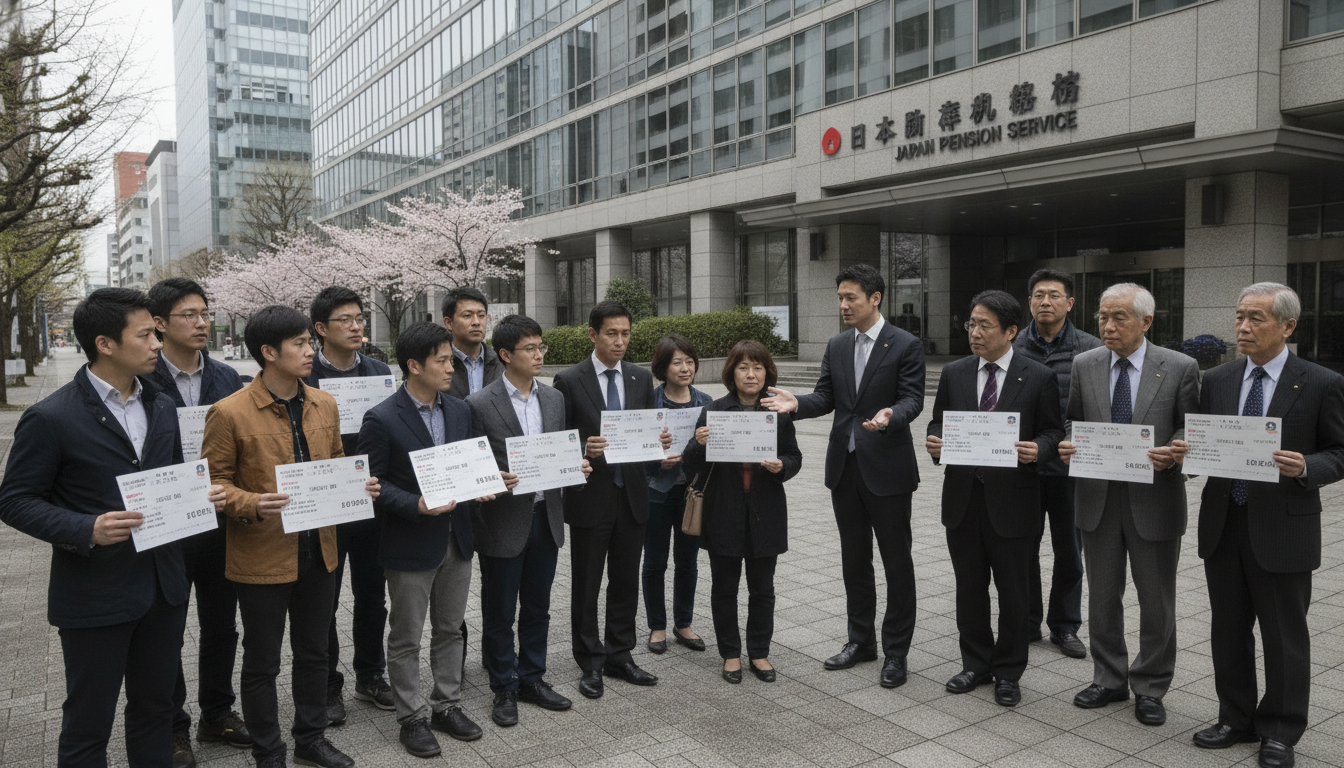
Foreign Residents Contribute Only Half to Japan National Pension, Official Data Shows
Official data shows foreign residents pay about half of owed contributions to the Japan national pension, with language barriers and low awareness blamed.
TOKYO — Japan national pension records released on August 18, 2026 show foreign residents who are expected to enroll voluntarily are contributing only about half of the amounts they should, highlighting persistent obstacles for migrants seeking to access social security in Japan. The shortfall reflects a mix of awareness gaps, language barriers and administrative hurdles that officials say must be addressed to protect future retirement incomes.
Participation shortfall documented by authorities
Recent government figures indicate a significant gap between legally expected contributions and actual payments from non-Japanese residents aged 20 to 60. The data, compiled by national pension administrators, compares enrolled payers with those liable under statutory rules and finds roughly half of expected payments are not being made.
Officials and analysts say the shortfall is concentrated among newer arrivals and those in precarious or informal work. Municipal pension offices report that many foreign residents do not complete enrollment procedures after initial residency registration, while others lapse in monthly payments because of unstable income.
Language and information gaps cited as primary causes
Local authorities and advocacy groups point to inadequate multilingual information as a leading factor behind the shortfall. Materials explaining enrollment procedures, payment methods and the future value of entitlements remain limited in languages other than Japanese, leaving many migrants unable to navigate the system.
Beyond translation, community leaders say outreach is sporadic and often reliant on ad hoc efforts by non-profit organizations. The combination of limited Japanese proficiency and a lack of clear, accessible guidance discourages timely enrollment and ongoing contribution compliance.
Legal obligation for residents aged 20 to 60
Japanese law requires all residents between the ages of 20 and 60 to participate in the national pension system regardless of nationality. Enrollment is automatic for employees enrolled in workplace pension schemes, but foreign residents who are self-employed, students, unemployed or working in informal jobs must sign up and pay directly.
Failure to contribute can diminish eligibility for future pension benefits and reduce the amount payable at retirement. Pension officials warn that unpaid periods can translate into gaps in coverage that are not easily remedied years later, leaving individuals with limited income protection in old age.
Local governments expand outreach but challenges persist
Municipal offices across Japan have increased efforts to inform foreign residents, offering occasional seminars, translated brochures and collaboration with community groups. Some cities have established dedicated desks or contracted interpreters during key registration periods to explain pension obligations.
However, resource constraints and uneven coordination mean outreach quality varies by locality. Smaller municipalities with fewer staff face difficulty providing sustained multilingual support, and many overseas-born residents remain unaware of when or how to update their pension status after job changes or departures.
Economic and social implications of the coverage gap
The contribution shortfall poses both individual and systemic risks. For migrants, inconsistent payments can translate into inadequate retirement resources or the need to rely on family support. At a broader level, gaps in coverage complicate long-term planning for the public pension system and may undermine trust among foreign residents in Japan’s social safety net.
Demographers and labor experts warn that as Japan continues to rely on foreign workers to fill labor shortages in sectors such as care, construction and hospitality, ensuring effective access to pension coverage will be essential to integrate migrants into long-term economic planning.
Policy options under discussion to boost compliance
Proposed remedies under discussion among policymakers and civic groups include expanded multilingual information campaigns, automatic enrollment mechanisms tied to residency registration, and stronger employer reporting requirements. Some advocates also call for simplified payment channels, including mobile-friendly systems and options for payment reconciliation when migrants leave Japan.
Bilateral pension portability agreements with migrants’ home countries are another area of focus, as they can help migrants preserve benefits or facilitate transfers, reducing incentives to forgo participation. Experts note, however, that implementation will require coordination across ministries and sustained funding for municipal support services.
Japan’s pension agency and municipal governments said they will review the latest figures and intensify outreach efforts aimed at foreign residents. They emphasized the importance of early enrollment and clear information to protect future benefits.
The persistent gap in contributions underscores the broader challenge of making Japan’s social systems accessible to a diversifying population. Addressing language barriers, simplifying procedures and improving local capacity will be key tasks if the country intends to secure retirement incomes for all long-term residents.
Ensuring that foreign residents understand and can fulfill their obligations to the Japan national pension will be critical as policymakers weigh changes to immigration and labor policies in the years ahead.

