
Heisei Aesthetic in Tokyo: Where to Experience Y2K Nostalgia Across the City
Discover Tokyo’s Heisei aesthetic hotspots — cafés, workshops, shops and purikura booths that revive late‑1990s and early‑2000s pop culture in vivid detail.
Tokyo’s revival of the Heisei aesthetic is drawing visitors to a string of new and repurposed venues that recreate the Y2K era’s pop textures and tech‑obsessed nostalgia. The Heisei aesthetic in Tokyo is now visible across cafés, craft workshops, themed retail spaces and the ubiquitous purikura booths, each offering a curated throwback to the flip‑phone and Game Boy years. This piece maps the best places to step into that late‑’90s to early‑2000s atmosphere, with practical details for visitors and context about why the trend has resurfaced.
RETOPO café revives 1990s teenage room in Shibuya
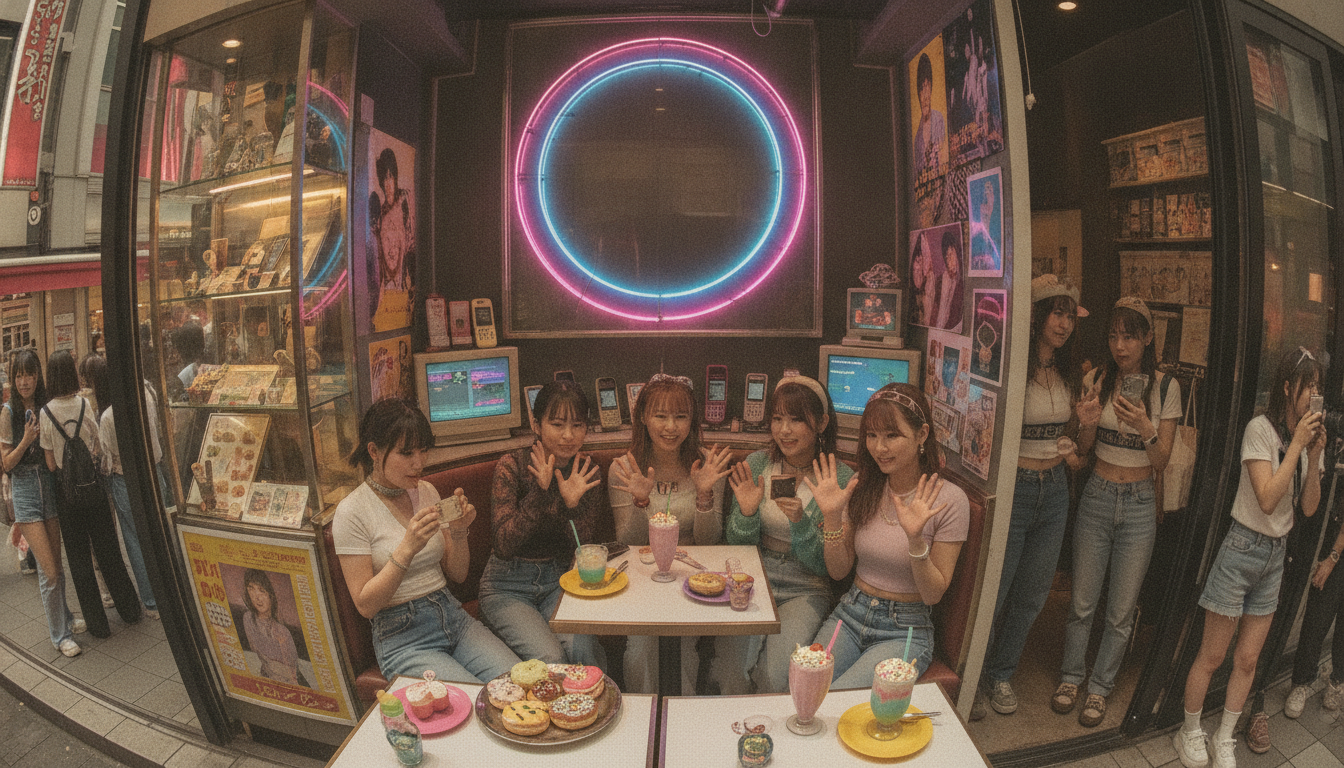
At the centre of Shibuya, RETOPO has established itself as a two‑floor destination that stages its entire interior as a late‑Heisei teenager’s bedroom and clubhouse. The upstairs room functions as a café where entry includes a drink and a bundle of retro touches that encourage visitors to play the part of a Y2K‑era teen.
Admission is set at ¥1,958 on weekdays and ¥2,178 on weekends and holidays, with optional menu add‑ons such as cola floats, melon cream soda and slices of cake for visitors who want a fuller nostalgic experience. On arrival guests receive a small personalized fortune letter and a retro‑style profile sheet, and the venue lends flip phones and decked‑out digital cameras so you can capture intentionally grainy, early‑2000s style photos.
The downstairs area operates more like a compact museum, with shelves packed with Tamagotchis, Sylvanian Families, retro consoles and a wall of pink school lockers decorated with keychains and photos. RETOPO does not accept reservations, so weekends and holidays can see queues; visiting on a weekday morning or early afternoon reduces waiting time.
Y!Y! Hands workshop offers customizable Y2K accessories in Shinjuku
Y!Y! Hands is a craft workshop chain with locations around Tokyo that specialises in customizable Y2K accessories, and the Shinjuku outlet has become a go‑to for visitors seeking hands‑on creativity. Customers select beads, charms and other components to make keychains, phone cases and wearable trinkets that reflect the maximalist color and texture of the era.
Pricing is simple and transparent: bead materials begin at about ¥2,200 for 10 grams, with an additional ¥100 charged for a clear phone case and roughly ¥500 extra for a coloured case. The store stocks a vast variety of beads — big embossed letters, glitter hearts and tropical motifs — meaning the materials often inspire designs as much as preformed ideas do.
The workshop atmosphere intentionally mimics a teenage bedroom, complete with a bed for photographs, wall posters and playful props like fluffy strawberry slippers to wear while you craft. Once completed, projects are presented in a customized label, making the finished piece feel like an authentic, era‑appropriate souvenir.
Togenkyo shop in Kōenji sells handmade Heisei‑style trinkets
Togenkyo, located on Kōenji’s Etoile Street, markets itself as a treasure trove of handmade and remade accessories that channel Heisei maximalism. The two‑storey boutique is densely packed with necklaces, earrings, rings and keychains made from gel, rhinestones, beads and unexpected found parts.
Price points in the shop range widely to suit window‑shoppers and collectors alike, with items beginning at around ¥1,000 and extending to bespoke pieces that cost several thousand yen. The creative, sometimes quirky motifs — from marine seals to miniature gyoza charms — ensure that most purchases feel one‑of‑a‑kind rather than mass produced.
Togenkyo’s ethos leans toward artisanal re‑interpretation rather than straightforward nostalgia, so the store is a good stop for visitors who want an original keepsake that references Heisei motifs without simply replicating them. The shop’s midday opening hours and free admission make it an easy browse during a neighbourhood walk.
Tamagotchi Factory opened in Harajuku’s Harakado complex in 2025
Harajuku’s Tokyu Plaza Harajuku Harakado is home to the Tamagotchi Factory, a retail and experience space that opened in 2025 and focuses on the enduring appeal of the virtual pet franchise. The venue stocks exclusive character goods, stationery and the latest Tamagotchi devices, alongside interactive displays that nod to the toy’s factory‑floor theme.
Visitors can engage with touch‑sensitive exhibits designed to mimic a working mini factory, and the shop offers a customization station where customers can assemble small keychains or create character‑themed souvenir bottles. Admission to the Tamagotchi Factory is free, and the shop’s gates typically open from 11 a.m. until 9 p.m., making it accessible for both daytime shoppers and evening window‑shopping.
The Harajuku location situates the Tamagotchi brand within the district’s long history as a fashion and youth‑culture hub, and the Factory’s mix of retail exclusives and hands‑on attractions has made it one of the visible anchors of Tokyo’s contemporary Heisei revival.
Purikura booths remain Tokyo’s most popular Heisei pastime
Purikura photo booths are perhaps the single most iconic Heisei cultural export still operating across Tokyo’s arcades and game centres, and using one is as much a social ritual as a tourist activity. These booths have long offered beautifying filters, sticker frames and character themes, and they continue to evolve while maintaining the essential late‑’90s aesthetic.
Typical prices range between ¥300 and ¥500 per session, and booths are usually clustered on a dedicated floor of game centres where customers also find hair‑and‑makeup stations to prepare for photos. Modern purikura increasingly allow digital delivery of finished images to smartphones, but many machines still offer the tactile pleasure of printed stickers and communal decorating.
Each purikura installation varies by theme and effects, from Hello Kitty overlays to bold colour palettes that amplify eyes and smooth skin in a way that creates the distinctive, slightly surreal appearance fans expect. For the best experience plan a visit during off‑peak hours and bring cash in small denominations; some older machines accept only coins or limited payment methods.
Where to shop and other Heisei‑era experiences across neighbourhoods
For broader shopping, Shibuya’s department cluster remains fertile ground for Heisei and Y2K styles, with stores such as those in Shibuya 109 and LaForet often stocking throwback lines and current reinterpretations. Popular chain stores like WeGo and Spinns carry vintage and vintage‑inspired pieces, while secondhand sellers including Kinji and Second Street frequently curate dedicated Heisei sections.
Neighbourhoods beyond Shibuya also reward time‑rich exploration: Shimokitazawa and Kichijōji are known for thrift and vintage boutiques that yield authentic late‑90s items, and Kōenji remains a hub for handmade and alternative fashion markets. Browsing these districts is often the most reliable way to find surprisingly intact garments and accessories from the era.
Beyond shopping, a range of workshops and pop‑up experiences cater to retro tech fans: Game Boy modification classes, bespoke accessory studios and themed cafés provide structured ways to make and personalise heirloom‑style objects. Those hoping to replicate a multi‑stop Heisei itinerary can pair a morning purikura session with an afternoon at RETOPO and an evening browse in Harajuku or Kōenji to experience a full spectrum of sights, sounds and tactile memories.
The city’s renewed interest in this period is reflected in creative reinterpretations rather than strict museumification, and many venues encourage participation — whether through crafting, photography or interactive retail displays. For visitors this means the Heisei aesthetic is not just on view but available to try, remix and take home.
Tokyo’s Heisei revival is both a celebration of the era’s distinctive material culture and a platform for contemporary makers to rework old forms into new keepsakes. By combining purpose‑built venues, small‑scale artisans and enduring amusements like purikura, the city has created a walkable trail of experiences that let visitors touch the textures and toys that defined a generation.

