
Helsinki Mayor Calls for Closer Japan Ties to Build "Geostrategic Autonomy" for Defense Startups
Finland’s Helsinki urges deeper Japan cooperation to strengthen geostrategic autonomy, proposing trusted ownership and joint support for defense-related startups.
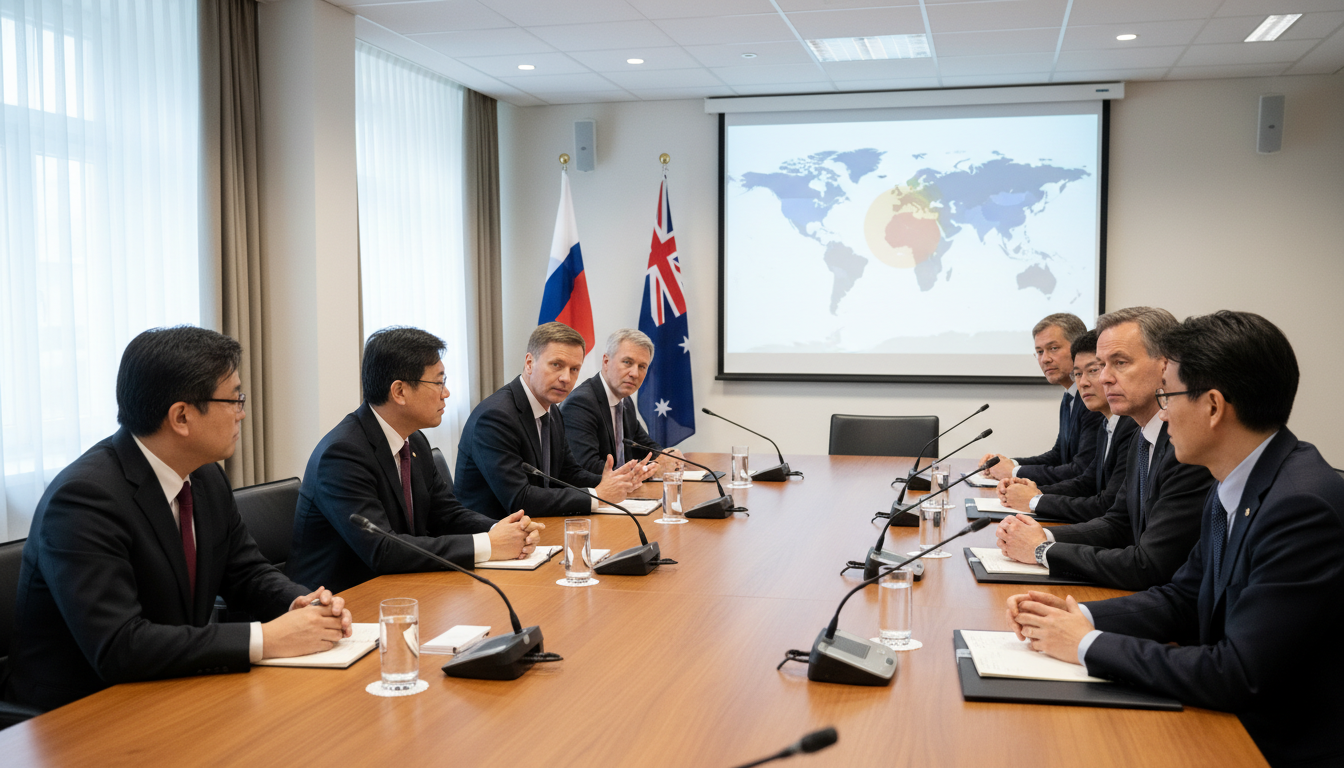
Helsinki’s mayor this week told officials in Tokyo that the Finnish capital, already a growing hub for defense-related startups, seeks closer collaboration with Japan to build what he described as “geostrategic autonomy.” He said like-minded countries should align on ownership, investment and regulatory frameworks so sensitive technologies remain in trusted hands. The proposal frames industrial and diplomatic measures as complements to allied security arrangements rather than replacements.
Helsinki’s pitch to Tokyo
Helsinki is positioning itself as a center where defense innovation and commercial entrepreneurship intersect, the mayor said while meeting Japanese counterparts. The city argues that stronger bilateral ties with Japan would help scale startups developing sensors, cybersecurity and dual-use systems. Officials see cooperation as a practical way to pool talent and market access while reducing reliance on single-country supply chains.
Why geostrategic autonomy matters now
Leaders in both capitals are increasingly focused on ensuring critical technologies and supply chains are resilient amid geopolitical uncertainty. Geostrategic autonomy, as described by Helsinki’s mayor, means the ability of like-minded democracies to develop and deploy defense-relevant capabilities without exposure to hostile influence. For Japan, which balances regional security concerns with industrial openness, such arrangements could offer new procurement and investment partners.
Trust and ownership as practical levers
A central point raised by the mayor was ownership: defense-related startups are more likely to be accepted by partners if majority ownership rests in countries deemed “like-minded” and trustworthy. City and national officials in Europe and Asia are now debating how to structure investment screening, joint-venture rules and safeguards that preserve entrepreneurs’ access to capital while preventing sensitive transfers. These mechanisms would need clear, interoperable standards to avoid creating new trade frictions.
Regulatory and export-control challenges
Aligning rules across jurisdictions would be complex, because technologies used for civilian and military purposes often straddle existing export-control categories. Any Japan–Finland cooperation would require legal workstreams to harmonize classification, licensing and end-use verification. Officials would also have to reconcile differing industrial-policy tools, such as subsidies, procurement preferences and public–private partnership models.
Opportunities for startups and industry
For startups, closer ties could unlock new customers, joint development programs and investor networks. Helsinki’s ecosystem emphasizes agile firms that can move from prototype to field testing quickly; Japanese industrial partners could provide scale manufacturing and integration routes. The mayor also highlighted potential academic and municipal cooperation on workforce training, secure testing facilities and shared research programs.
Diplomatic steps and next actions
City and national officials described initial steps as focused on dialogue: exchanging lists of priority technologies, convening working groups on legal and investment frameworks, and creating pilot projects to test joint procurement or co-development. These smaller initiatives are intended to build confidence and reveal regulatory gaps before larger institutional arrangements are proposed. Both sides stressed that any collaboration must respect existing alliance commitments and international law.
The proposal reflects a broader trend in which democracies explore ways to combine economic openness with strategic safeguards, particularly for technologies with national security implications. By advocating that defense-related startups have owners in “like-minded” countries, Helsinki’s leadership is pushing for a pragmatic balance between attracting global capital and ensuring strategic control. If Tokyo and Helsinki move forward, their model could become a template for other cities and states seeking to protect critical innovation while keeping markets accessible.

