
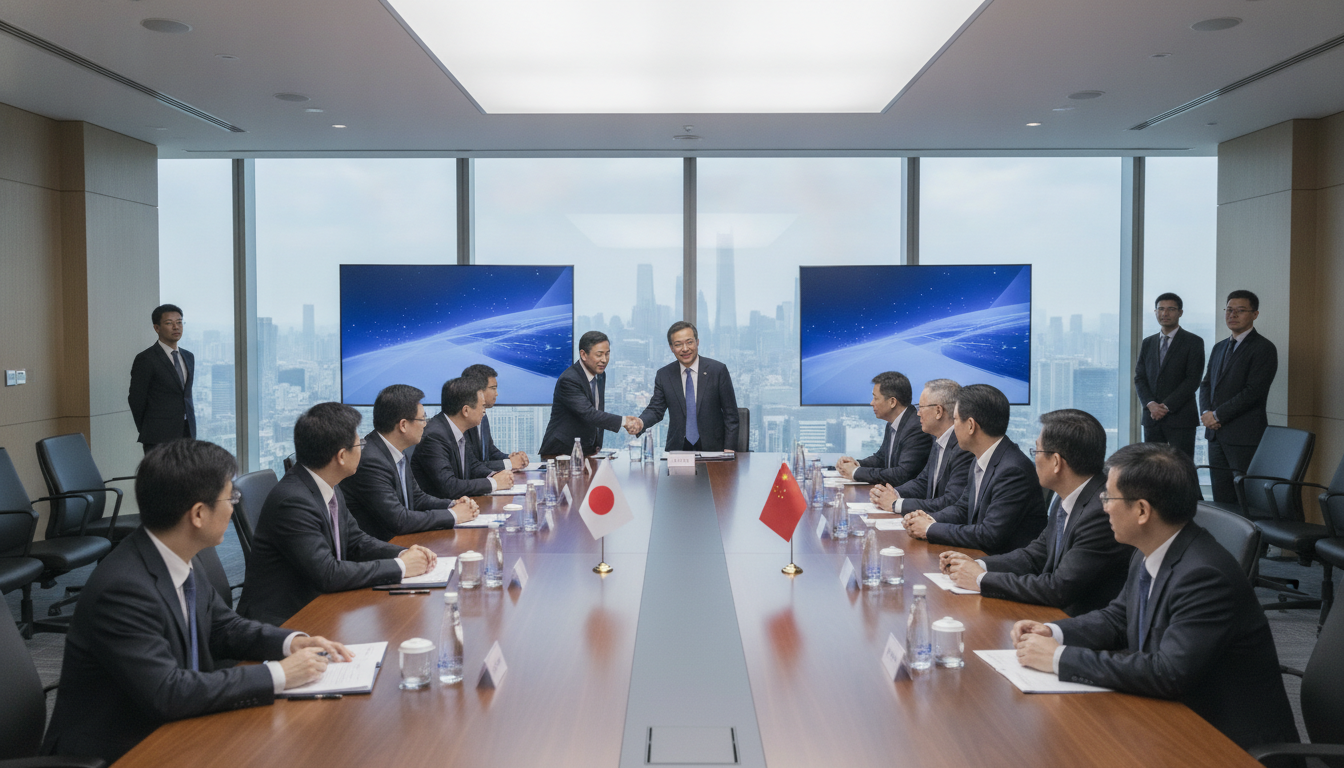
Honda extends joint venture with GAC through 2038
Honda has extended its joint venture with Guangzhou Automobile Group (GAC) for 10 years, prolonging the partnership until 2038 amid sluggish sales and looming 2028 expiry concerns.
Honda announced on July 20, 2026, that it has extended its joint venture agreement with China’s Guangzhou Automobile Group (GAC) for an additional decade, carrying the partnership through 2038. The decision keeps the tie-up in place well beyond the previous end date of 2028, addressing an impending contract cliff that had placed renewal talks under scrutiny. The extension comes as Honda grapples with softer sales in China and a shifting competitive landscape in the world’s largest auto market.
Deal terms and duration
The renewed agreement extends the existing joint venture arrangement by ten years, formally setting the new termination year at 2038. Honda made the announcement from Tokyo on July 20, 2026, signaling a long-term commitment to manufacturing and selling vehicles with GAC in China. Specific financial terms and governance details of the extension were not disclosed in the company statement.
The extension preserves production and distribution arrangements that have underpinned Honda’s China operations since the original pact. It also removes an immediate scheduling pressure point that had been expected to force intensive negotiations ahead of the 2028 expiry.
Why the renewal was on the table
The joint venture’s scheduled expiry in 2028 had brought renewal questions into focus for months, with industry observers watching whether Honda would seek deeper control, altered profit sharing, or a phased exit. Those negotiations were complicated by a broader slowdown in new-vehicle demand and intensifying competition from both foreign brands and Chinese domestic manufacturers.
By opting for a straight ten-year extension, Honda and GAC have chosen continuity over immediate structural change. That path reduces short-term uncertainty for dealerships, suppliers and employees tied into the venture’s production network.
Sales context in China
Honda’s move comes against a backdrop of sluggish sales in China that have pressured many overseas automakers. Slower consumer demand, a crowded SUV and EV market, and pricing pressure from local brands have combined to weigh on volume and margins. The extension aims to give both partners time to recalibrate strategy without the disruption of a renegotiation deadline.
Maintaining the joint venture through 2038 allows Honda to pursue product and marketing adjustments, including potential increases in electrified offerings, while keeping established manufacturing capacity in place. It also secures continuity for models assembled in China that serve both local and export markets.
Strategic rationale for Honda
Extending the partnership supports Honda’s long-term presence in the Chinese market, which remains strategically important despite recent headwinds. The move helps safeguard production sites and dealer networks while providing breathing room to roll out new models and technologies tailored to Chinese consumer preferences.
For Honda, the extension reduces the risk of supply chain disruption and protects investments already made with GAC. For GAC, the deal secures continued access to Honda’s platforms, engineering know-how and brand recognition in a segment where collaboration remains valuable.
Implications for electrification and product planning
With the auto industry rapidly pivoting toward electrification, the extended joint venture gives Honda and GAC a stable platform to coordinate EV development and local production. The extra decade may be used to expand joint research, localize battery sourcing and align product roadmaps to Chinese regulatory and market trends.
However, the extension does not guarantee immediate changes to product mix or investment levels. The partners will still need to decide whether to accelerate electrified model launches, retool plants, or form additional alliances to meet rising EV competition from domestic rivals.
Market and dealer reactions
Dealers and suppliers tied to the Honda-GAC partnership are likely to welcome the certainty provided by the extension, as it removes the near-term risk of contractual upheaval. Stability supports inventory planning, workforce allocations and supplier contracts that depend on multi-year production forecasts.
At the same time, investors and market watchers will be looking for follow-up announcements that specify how Honda and GAC intend to address the slowdown in demand. Concrete plans on model introductions, pricing strategies and EV investments will be required to translate the agreement into stronger sales momentum.
The joint venture extension announced July 20 provides a clearer runway for Honda and GAC to execute strategic adjustments, but the success of that period will hinge on how quickly the partners adapt to China’s evolving automotive environment.

