
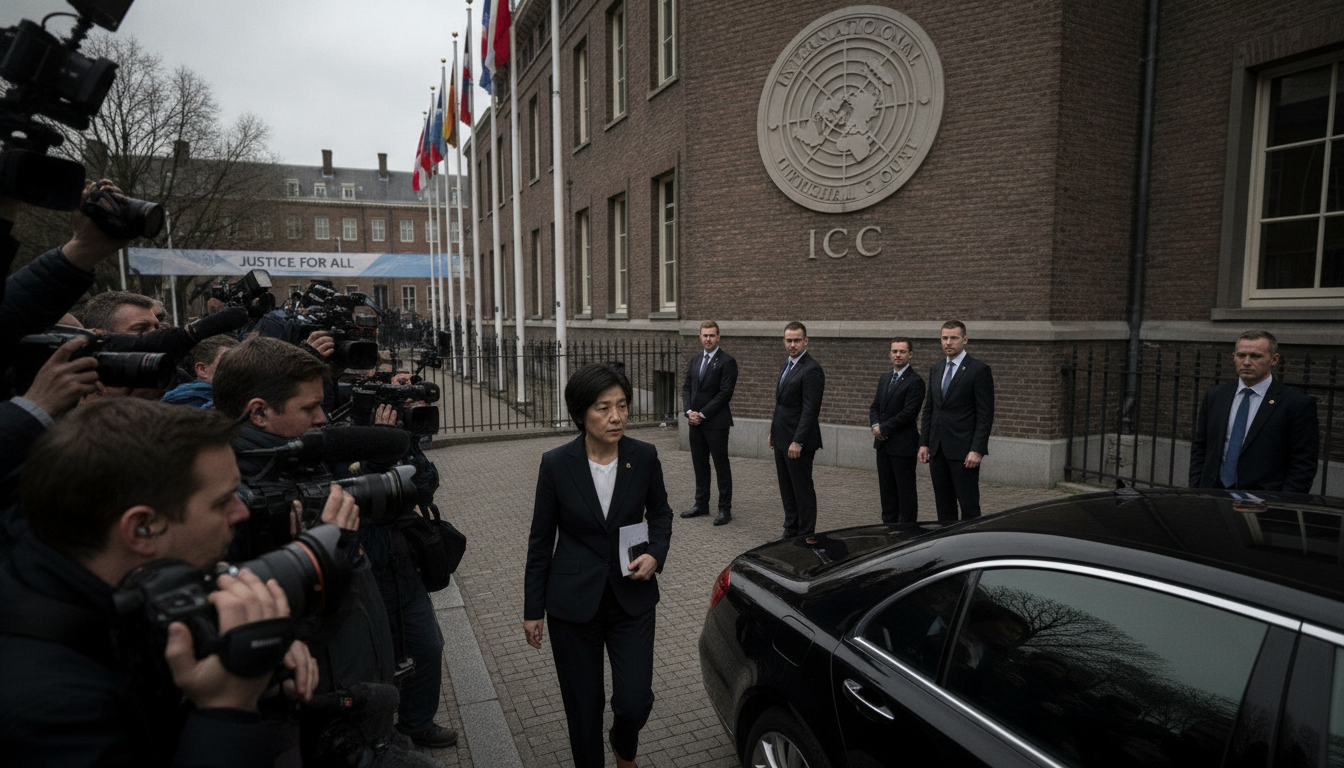
ICC sanctions: US imposes measures on President Tomoko Akane as pressure on the Hague court escalates
The U.S. on Aug. 18 imposed ICC sanctions on President Tomoko Akane and a senior prosecutor, labeling the court a threat to U.S. sovereignty and freezing assets while limiting travel and services.
ICC’s mandate and jurisdiction
The International Criminal Court is a permanent tribunal based in The Hague that investigates and prosecutes individuals for genocide, crimes against humanity, war crimes and the crime of aggression. It was established under the Rome Statute in 2002 and operates independently of national governments. The court’s work focuses on individuals rather than states and relies on cooperation from member countries to carry out arrests and enforcement. The institution currently counts over 120 states as parties to the Rome Statute, including Japan. (icccpi-web.icccpi-prod.uniccloud.org)
Sanctions announced on August 18
On August 18 the U.S. administration designated Judge Tomoko Akane, the president of the ICC, and Abdoulaye Seye, a senior trial lawyer at the prosecutor’s office, under an executive order targeting the court. The U.S. Treasury and State Department said the designations freeze any assets that come into U.S. jurisdictions and generally bar designated individuals from entering the United States. Sanctions also risk excluding those designated from using U.S. financial services or commercial platforms, with potential spillover effects on their families and professional travel. (apnews.com)
U.S. rationale and policy tools
U.S. officials framed the move as part of a broader campaign to “remove threats” the court poses to American sovereignty, arguing that the ICC has asserted a de facto authority to investigate or prosecute U.S. personnel despite the United States not being a party to the Rome Statute. Senior U.S. statements have singled out ICC actions related to investigations touching on U.S. and allied personnel and said Washington will use diplomatic pressure and targeted sanctions to counter what it calls overreach. The measures follow earlier rounds of targeted designations under the same executive authority. (theguardian.com)
Court response and international reactions
The ICC swiftly rejected the latest U.S. designations, describing them as a “flagrant attack” on the court’s independence and warning that threats to judicial actors undermine the international legal order. The court reiterated its commitment to continue investigations and judicial processes it deems necessary, and it warned that punitive measures against judges and prosecutors create risks for rule-of-law institutions worldwide. Several international observers and legal experts have expressed concern that sustained pressure could weaken judicial independence and hamper accountability for grave crimes. (icccpi-web.icccpi-prod.uniccloud.org)
Diplomatic implications for Japan and other member states
Japan, as the nationality of the court president, faces immediate diplomatic and legal sensitivities following the designation. Tokyo has signaled it is in communication with relevant partners and will consider an appropriate response while balancing its support for international justice institutions. Other ICC member states and groups have also weighed in, with some urging de-escalation and others stressing the need to protect court personnel and preserve judicial functions. The designations raise questions about how member states will coordinate to safeguard cooperation mechanisms the ICC requires to function. (apnews.com)
Operational and legal consequences for the court
Beyond travel and financial restrictions, sanctions may complicate the court’s ability to recruit and retain staff, conduct field operations and engage partners in affected jurisdictions. The ICC depends on voluntary cooperation from states for evidence-gathering, witness protection and arrests; sustained punitive measures by a major power could reduce the willingness of some actors to support sensitive investigations. Legal experts say the court has limited remedies against unilateral sanctions and must rely on diplomatic avenues, coalition-building among states parties and public advocacy to blunt practical impacts. (theprint.in)
The U.S. designations mark the latest escalation in a dispute that pits a powerful non-member state against a multilateral judicial body and poses immediate diplomatic tests for Tokyo and other capitals that both back the ICC and maintain strategic ties with Washington. The coming weeks are likely to see intensified diplomacy at The Hague, in capitals across Europe and in Tokyo as governments weigh how to defend judicial independence while managing bilateral relationships and security partnerships.

