
Japan’s Tomoko Akane Defends International Criminal Court Against U.S. Corruption Allegations
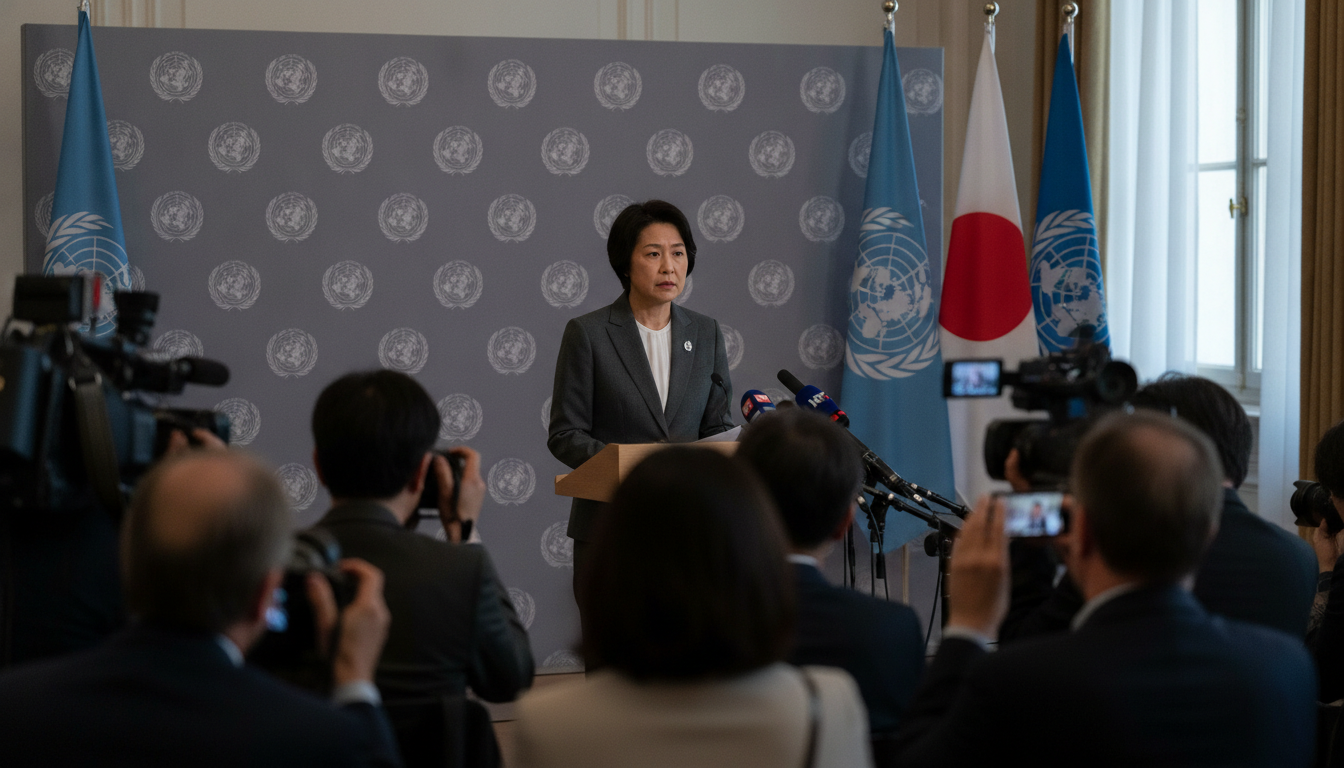
Tomoko Akane, president of the International Criminal Court, rejected U.S. accusations of corruption and vowed the court will persist in its work despite Washington’s sanctions. The statement, delivered in Tokyo on August 26, 2026, underscores deepening tensions between the court and the United States.
Akane Rejects U.S. Corruption Accusations
Tomoko Akane firmly rejected Washington’s accusations that the International Criminal Court is corrupt, calling the charges unfounded and damaging to the court’s mission. Speaking to reporters in Tokyo, she said the institution will continue pursuing accountability for the gravest international crimes. The president emphasized the court’s obligation to victims and to the rule of law.
Commitment to Court’s Work Despite Sanctions
Akane vowed the court would press on with investigations and prosecutions even as U.S. sanctions target ICC officials and their activities. She said institutional resilience and adherence to legal procedures will guide the court’s response to external pressures. The statement framed the sanctions as a challenge to judicial independence rather than a deterrent to ongoing cases.
ICC’s Mandate and Institutional Independence
The International Criminal Court was created to investigate and prosecute genocide, war crimes, crimes against humanity and aggression when national systems are unwilling or unable to act. Its judges and prosecutors operate under the Rome Statute, an international treaty that sets standards for due process and impartiality. Akane reiterated that these legal safeguards are central to the court’s legitimacy and to maintaining public trust.
History of U.S.-ICC Strains
Tensions between Washington and the International Criminal Court have a long history, rooted in differing views on jurisdiction, sovereignty and accountability. The United States is not a party to the Rome Statute and has at times expressed strong opposition to ICC investigations involving its nationals or partners. The recent imposition of sanctions marks the latest episode in a recurring diplomatic dispute that has complicated cooperation on cross-border justice issues.
Operational and Diplomatic Implications
Sanctions aimed at ICC personnel can complicate routine activities such as travel, evidence collection and logistical support, officials and legal experts say. They may also affect third-party cooperation by states and international organizations that must weigh political risks. Akane’s remarks stressed that the court will seek alternative channels of collaboration and rely on legal instruments to protect its staff and operations.
Reactions from International Partners and Legal Experts
Responses to the U.S. measures have been mixed, with some states and human rights groups expressing concern about any action that appears to undermine judicial independence. Others have called for renewed dialogue between the court and Washington to prevent further erosion of cooperation. Legal scholars caution that sustained political pressure could reshape how international justice bodies manage sensitive investigations going forward.
Next Steps for the Court and Diplomacy
Akane indicated the ICC will continue to engage with member states, legal institutions and civil society to preserve the integrity of its work. She also urged renewed diplomatic exchanges to clarify jurisdictional questions and to seek practical arrangements that support investigations while addressing states’ concerns. The coming weeks are likely to see intensified discussions in international capitals and at the court itself.
The situation marks a pivotal moment for the International Criminal Court as it navigates external pressures while attempting to maintain momentum on long-running investigations and trials.

