
Imabari shipbuilding shifts to digital education as Japan pursues higher vessel output
Imabari shipbuilding adopts digital education and overseas recruitment as Japan pushes to double vessel output, confronting labor shortages and technology adoption challenges.
Imabari shipbuilding firms in western Japan are turning to digital education programs and foreign labor to cope with rising orders and an acute shortage of skilled workers. Companies in the port city of Imabari have introduced online training modules, simulation tools and remote mentoring to shorten onboarding times for welders, pipefitters and ship assemblers. The move comes as national policymakers and industry groups aim to sharply increase vessel production to meet global demand.
Imabari yards adopt digital education to speed training
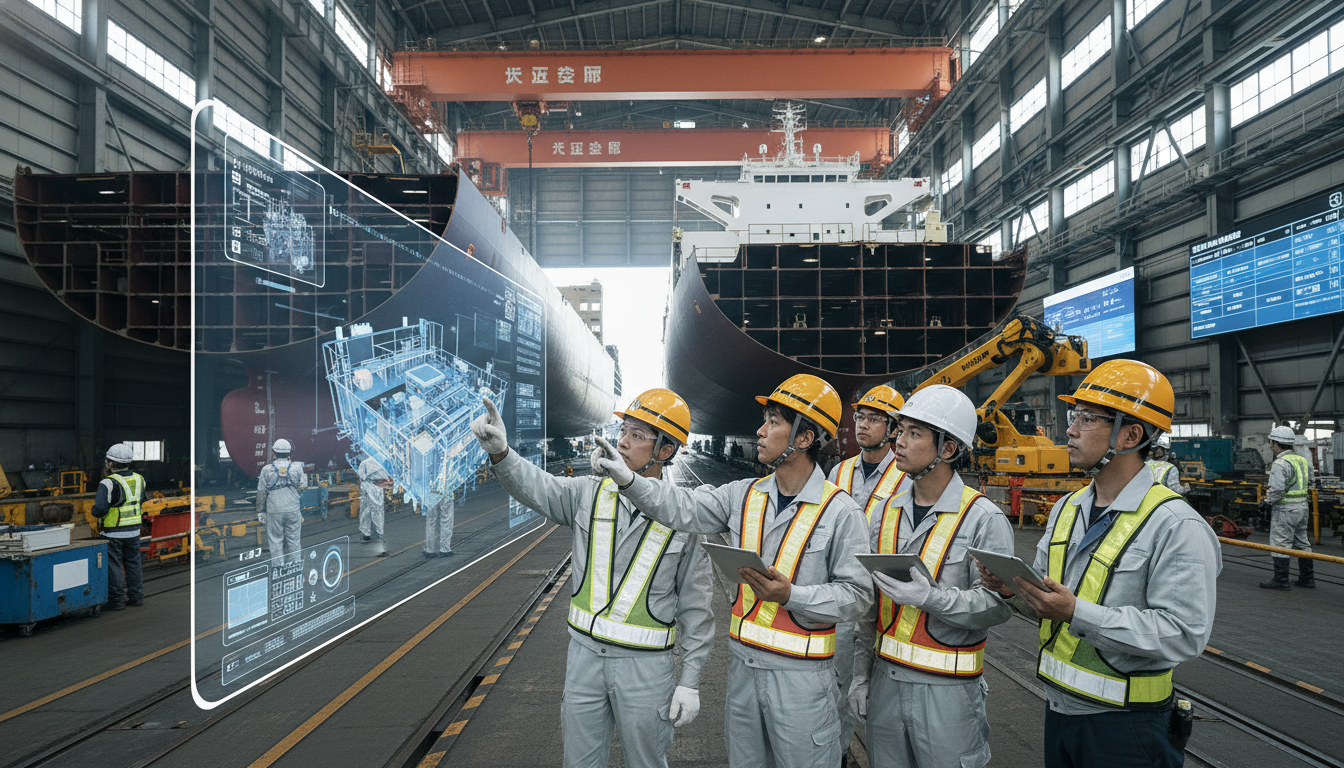
Imabari-based yards have rolled out structured digital curricula designed to teach practical shipbuilding skills faster than traditional apprenticeship paths. These programs combine video instruction, 3D models and on-the-job augmented reality guidance to help new hires learn complex tasks while remaining on the shop floor. Shipbuilders say the blended approach reduces training bottlenecks and helps preserve tacit knowledge amid an aging workforce.
Rising orders expose acute labor shortages
A surge in new contracts and backlog growth has intensified pressure across the Imabari shipbuilding cluster, revealing gaps at every point of the production chain. Management teams report shortages not only of experienced tradespeople but also of supervisors, quality inspectors and supply-chain technicians. The scarcity is raising lead times and prompting yards to evaluate which processes can be automated or upskilled through digital instruction.
Overseas recruitment and visa complexities
To bridge immediate manpower needs, several companies in Imabari have recruited workers from abroad and expanded language and cultural support programs. Firms note that overseas hires often require accelerated technical training and coordination with local authorities to secure appropriate residency and work permissions. Employers say regulatory clarity on long-term visas and streamlined certification for foreign workers would ease integration and reduce turnover.
Digital tools reduce labor but create new challenges
While digital technologies can save time and labor, companies caution that tool adoption introduces fresh operational risks and costs. Investment in simulation platforms, sensors and onboarding software requires capital and skilled IT staff to maintain systems and interpret data. Workers and unions have also voiced concern that excessive reliance on automation could erode on-the-job learning and impair workmanship if not carefully supervised.
Small suppliers strain under modernization demands
Beyond the large yards, small and medium suppliers in Imabari are feeling the strain of rapid modernization and higher production targets. Subcontractors who fabricate components report difficulty financing new machinery and training their crews in digital workflows. Industry leaders warn that the resilience of the entire cluster depends on supporting smaller firms with shared training centers and subsidized access to digital tools.
Government targets increase pressure on local industry
National ambitions to double vessel output have amplified scrutiny of capacity constraints and labor strategies across Japan’s maritime sector. Policymakers have highlighted Imabari as a critical hub in meeting export and defense-related shipbuilding goals, prompting calls for coordinated investment in education, infrastructure and regulatory reform. Local officials say they are working with central ministries and industry associations to align subsidies, apprenticeship incentives and certification programs.
Partnerships form between yards, schools and tech firms
In response, Imabari shipbuilders have established partnerships with vocational schools, universities and technology vendors to streamline talent pipelines. Collaborative programs include short-cycle certification courses, internships tied to digital curricula and joint labs where firms test augmented reality and robotics applications. Participants describe the arrangements as pragmatic ways to accelerate workforce readiness while spreading costs among stakeholders.
Industry executives say immediate priorities are to retain senior craftsmen as mentors, scale digital education without losing hands-on standards, and ensure continuity among suppliers. Managers also emphasize the importance of measurable training outcomes and clearer career pathways to attract younger workers. The success of these efforts will determine whether Imabari can expand output sustainably while maintaining quality.
Longer-term, analysts expect the region to evolve toward a hybrid production model that blends skilled labor, overseas personnel and digital augmentation. That transition will require steady investment, regulatory support and close cooperation between companies and training institutions. For now, Imabari shipbuilding stands at the center of Japan’s broader effort to boost vessel production amid a tightening labor market and accelerating technological change.

