
Japan asks MBK Partners to halt Makino acquisition on national security grounds
Japan urges MBK Partners to stop its Makino acquisition, citing risks to defense-related production and technology transfer amid a wider drive to boost the domestic arms industry. (marketscreener.com)
Government recommendation to halt deal
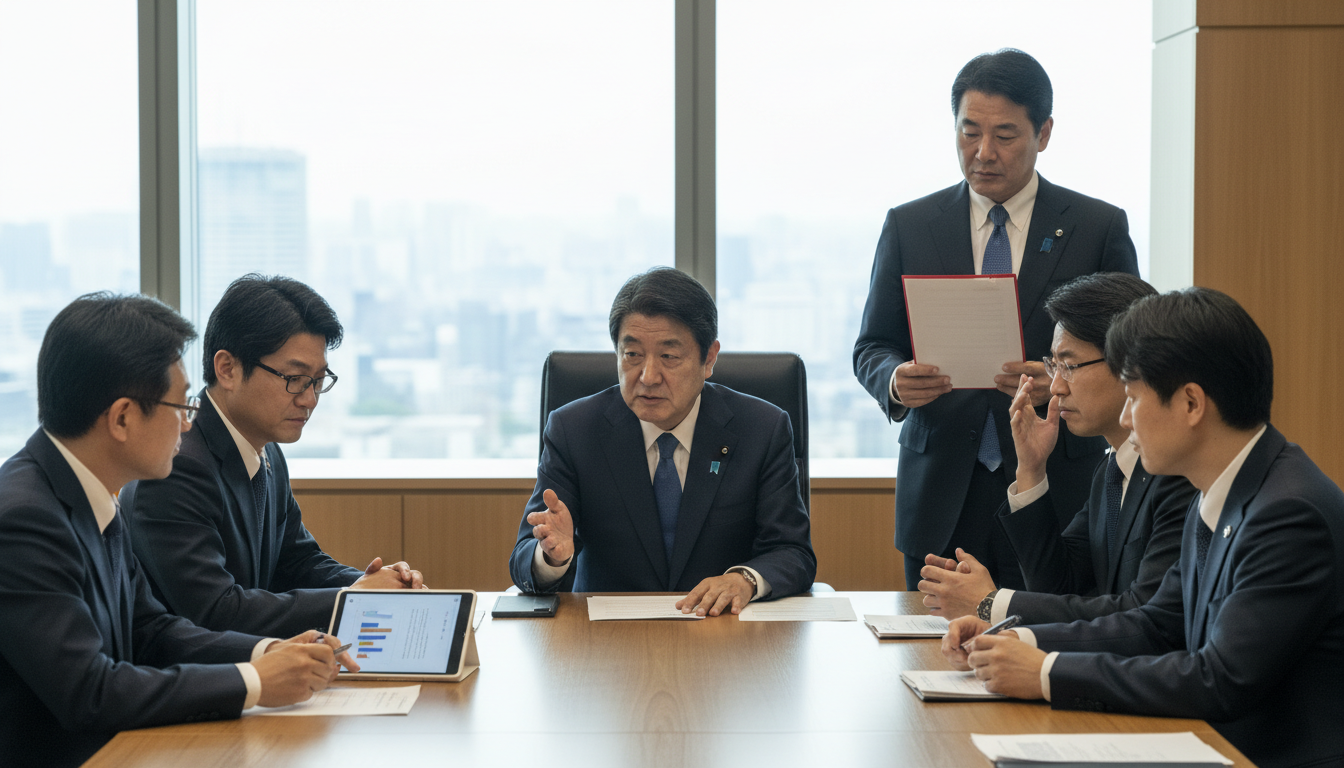
The Japanese government on Thursday formally advised Asian private equity firm MBK Partners to suspend its planned acquisition of Makino Milling Machine, saying the transaction could undermine national security. (marketscreener.com)
Finance Minister Satsuki Katayama told lawmakers the review examined the effect on Japan’s production base and the danger that sensitive machine-tool technology could be transferred abroad, leading officials to conclude the investment posed an unacceptable risk. (marketscreener.com)
Export controls and defence links
Makino’s machine tools are widely used to produce high-end components for the aerospace and defence sectors and are subject to export permission because of their potential military applications. (ir.makino.co.jp)
Officials said the company’s products, including equipment that can manufacture aluminium airframes and other precision parts, lent particular weight to the national security assessment. (marketscreener.com)
Terms of MBK’s offer and timeline
MBK first disclosed its intention to acquire Makino in June last year and proposed a tender offer valued at roughly ¥275 billion, a process that has since been delayed by regulatory reviews both at home and abroad. (ir.makino.co.jp)
The planned launch of the tender offer was repeatedly pushed back, with MBK citing ongoing discussions with regulators as it prepared financing and final documentation for shareholders. (ir.makino.co.jp)
MBK and Makino responses
MBK said it had proposed mitigation measures during the review and expressed surprise at the government’s recommendation to halt the deal, signaling it will consider next steps. (tradingview.com)
Makino said on Thursday it was collecting information and had not reached any decision, while its shares fell sharply on Tokyo trading following the announcement. (marketscreener.com)
Context of defence export policy changes
The decision comes days after Prime Minister Sanae Takaichi’s government unveiled the largest overhaul of Japan’s defence export rules in decades, a policy shift that opens the door for exports of warships, missiles and other lethal systems. (investing.com)
Government officials and industry figures said the revision to export policy elevated the strategic importance of domestic manufacturers that supply parts for defence platforms, influencing the assessment of outbound transfers of advanced manufacturing capability. (marketscreener.com)
Legal precedent and review framework
Prior to the Makino case, Tokyo had publicly rejected only one acquisition under the Foreign Exchange and Foreign Trade Act, when it intervened in 2008 to block a plan by a U.K. fund to raise its stake in Electric Power Development (J-Power). (japantimes.co.jp)
Policy analysts note that the Foreign Exchange and Foreign Trade Act gives ministers authority to order disposal or change of acquisitions deemed a threat to national security, and the Makino decision may prompt proposals to strengthen pre-clearance procedures. (mlex.com)
Market and investor implications
Analysts warned the government recommendation sets a precedent that could raise the risk premium on bids for Japanese firms in strategically sensitive sectors, complicating cross-border dealmaking even when bidders offer premium prices. (marketscreener.com)
Some market observers said Tokyo is likely to pursue legal and institutional changes — potentially creating a standing review board similar to the U.S. Committee on Foreign Investment (CFIUS) — to adjudicate national security concerns more transparently and proactively. (mlex.com)
The government maintained that the move was aimed at protecting strategically important technologies rather than discouraging responsible foreign investment, and officials stressed that sound inbound capital remains vital to Japan’s economic development. (marketscreener.com)
The immediate outcome for the Makino acquisition remains unresolved: MBK can respond to the advisory, offer further safeguards, or pursue legal avenues, while Makino’s board and shareholders weigh options against a backdrop of tighter scrutiny on transfers of advanced industrial capability. (ir.makino.co.jp)

