
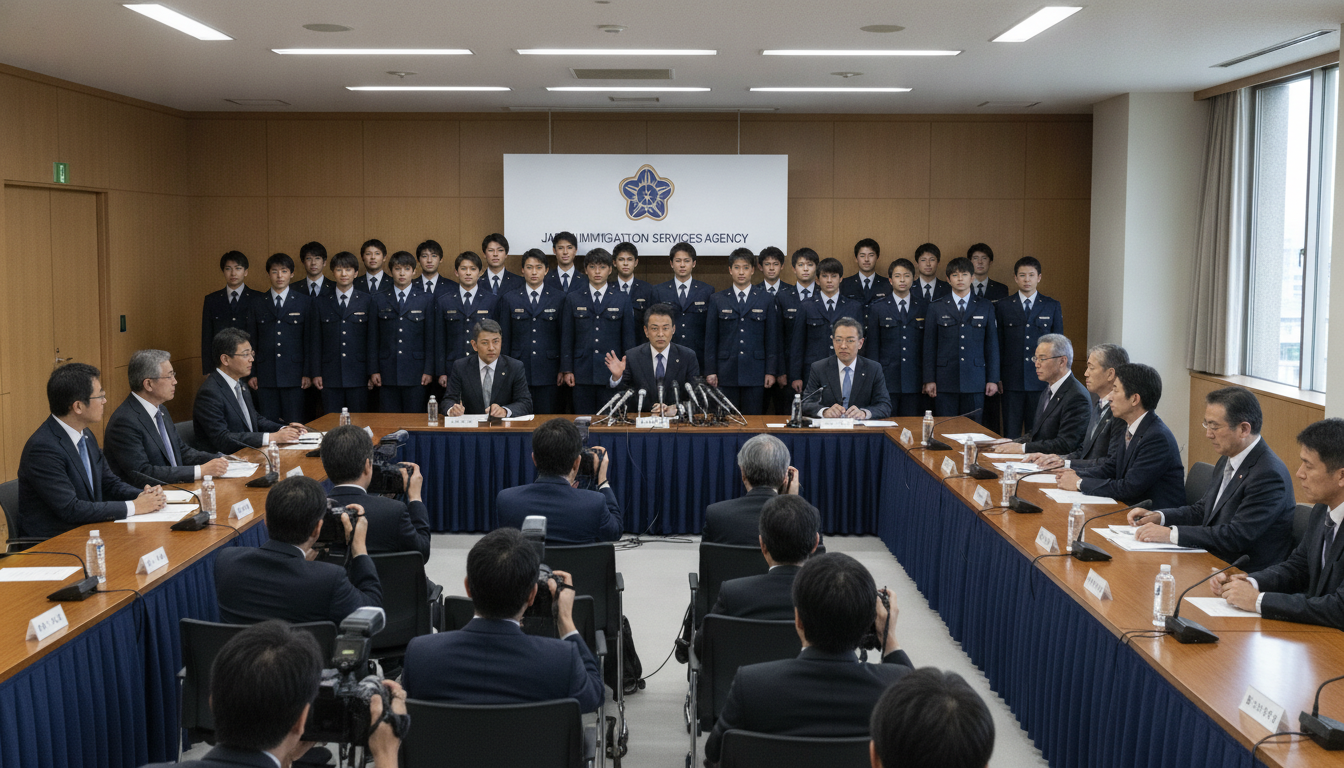
Japan immigration: Government to hire more than 200 officers in rare midyear staffing boost
Japan immigration: Government to hire over 200 enforcement officers in a rare midyear boost to tighten border controls and crack down on visa overstayers.
Japan’s Immigration Services Agency will add more than 200 new employees this fiscal year as part of an emergency midyear staffing expansion, the government announced on July 24, 2026. The move is aimed at strengthening Japan immigration enforcement, tightening border controls and increasing inspections of suspected visa overstayers. Officials described the hiring as an unusual intervention to address mounting operational pressures.
Scale and scope of the recruitment
The government said the recruitment will bring on over 200 enforcement and inspection officers to immigration bureaus nationwide, with placements to include frontline inspection duties and enforcement operations. The expansion is being carried out within the current fiscal year rather than as part of the usual annual hiring cycle, a departure from standard personnel planning. Authorities signaled the additional staff will be deployed to bureaus facing the greatest caseloads, including major ports and airports.
Reasons cited by the government
Officials attributed the emergency staffing increase to concerns about visa overstays and gaps in border screening capacity that have persisted since the pandemic-era recovery of travel. The Immigration Services Agency has reported growing workloads for enforcement teams, and the government framed the move as necessary to restore effective control and ensure immigration laws are enforced. The announcement emphasized that the hires are intended to strengthen both external border functions and internal inspections.
Unusual timing and internal impact
Midyear expansions of this size are rare for the Immigration Services Agency and signal an exceptional operational challenge, agency sources said. Human resources and training divisions will need to accelerate onboarding and field training to prepare recruits for duties at ports of entry and detention facilities. The rapid intake raises questions about the speed at which new officers can be made fully operational, and officials acknowledged a short-term strain on training resources.
Regional deployment, including Tokyo bureau
The staffing boost will affect regional bureaus, with some of the new officers expected to be assigned to the Tokyo immigration bureau, which handles a high volume of international arrivals and complex enforcement cases. Local bureaus will be asked to reallocate personnel and integrate recruits into inspection teams that manage arrival screening, visa status checks and compliance investigations. The government said deployment decisions will be based on caseload data and geographical needs.
Operational priorities and enforcement measures
New recruits will focus on inspecting suspected visa overstayers, conducting enforcement operations, and supporting border control measures, according to the announcement. The government also indicated an intent to tighten coordination with major airports, seaports and municipal authorities to improve information sharing and response times. While the public statement did not outline specific enforcement tactics, officials highlighted enhanced inspections and more proactive follow-up on irregular cases.
Legal and diplomatic considerations
Observers note that stepped-up enforcement raises legal and diplomatic considerations, especially in cases involving foreign residents, students and long-term workers. Authorities must balance enforcement actions with due process and coordination with foreign missions when cases require repatriation or legal proceedings. Stakeholders in business and civil society have previously urged transparency and safeguards to prevent unfair targeting while ensuring immigration controls operate effectively.
Budgetary and policy implications
Because the hiring is being carried out outside the standard annual schedule, it will require the reallocation of budgetary resources within the ministry and the Immigration Services Agency. The government said it is prepared to redirect funds to support the recruitment and training but provided limited details on the financial adjustments. Policymakers will likely monitor the program’s outcomes to determine if further funding or structural changes are necessary to sustain expanded enforcement capacity.
The emergency staffing move marks a notable shift in how Japan is approaching immigration control this year, blending immediate operational fixes with broader questions about long-term border management and resource allocation. Observers will watch how quickly recruits can be integrated into enforcement teams and whether the hiring measurably reduces the number of visa overstayers and strengthens border integrity.

