
Japan immigration plan could link Japanese language and social manners to permanent residency
Tokyo government proposes language and etiquette requirements for long-term foreign residents, potentially affecting more than 4 million people living in Japan.
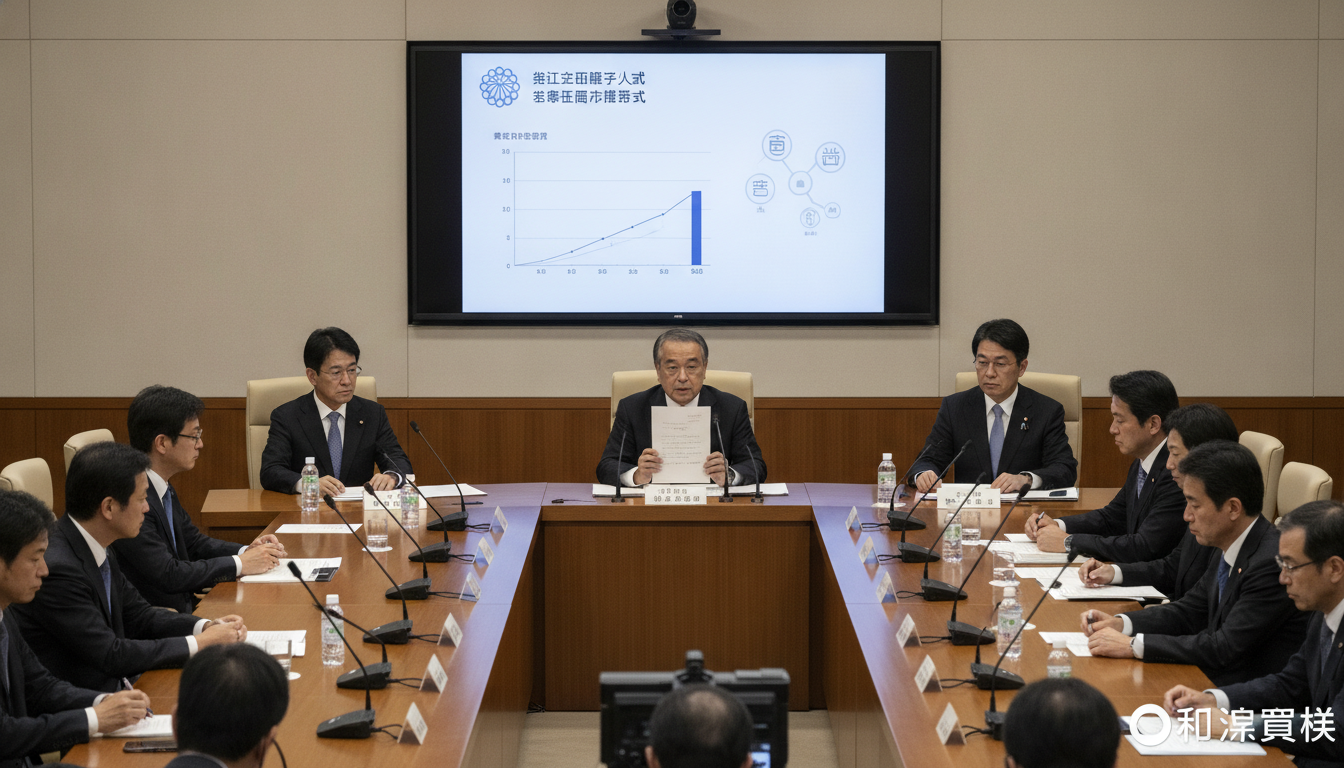
Japan’s central government in Tokyo has proposed that long-term foreign residents be required to demonstrate knowledge of the Japanese language and social manners as part of applications for permanent residency. The move, presented as a measure to promote social cohesion and smoother integration, would add cultural and linguistic criteria to existing residency evaluations. Officials said the proposal targets individuals who have lived in Japan for extended periods and could reshape how immigration status is assessed. The announcement arrives amid ongoing debate over how best to balance integration with the rights and needs of a growing foreign-born population.
Proposal links language and etiquette to residency
The government’s outline indicates that applicants for permanent residency could be asked to show competence in everyday Japanese and an understanding of social norms considered important for public life. Authorities frame the requirement as a practical tool to ensure newcomers can access services, participate in local communities, and reduce misunderstandings. Details remain sparse on testing formats, passing standards, or the administrative body that would oversee assessments. Observers say the policy’s design will determine whether it serves as an integration aid or an additional barrier for long-term residents.
The policy concept builds on existing integration programs run by municipalities and non-profit groups, which already offer language classes and cultural orientation. Linking these elements formally to residency status would mark a notable shift from voluntary support toward conditional assessment. Government officials have suggested flexibility in recognizing community-based education and workplace language use, but critics warn that inconsistent implementation across regions could produce unequal outcomes. The debate now centers on balancing standardized criteria with recognition of varied pathways to social participation.
How residency applications could change
Under the proposed framework, permanent residency applications might need to include evidence of language study, standardized test scores, or attestations from employers or local authorities about an applicant’s social conduct. The government may also consider interviews or practical exercises to assess communication skills and knowledge of civic responsibilities. Legal experts note that integrating behavioral criteria into immigration law would require careful drafting to avoid vague standards and to protect due process. Any formal change would likely move through public consultation and legislative review before being enacted.
Implementation would raise administrative questions such as which tests qualify, how translations are verified, and what exceptions might apply for elderly applicants or those with disabilities. The government has signaled interest in leveraging existing public language exams but has not committed to a single instrument. Municipalities with large immigrant populations could be tasked with initial assessments, creating potential disparities in applicants’ experiences. Stakeholders have called for clear guidance and affordable testing options to prevent undue hardship.
Potential impact on more than 4 million foreign residents
Japan is now home to more than 4 million foreign residents, a population that has grown in recent years as the country has opened up to foreign workers and students. Many long-term residents entered through work visas, technical training programs, or family ties, and their paths to residency have varied widely. A policy that formalizes language and manners as residency criteria would directly affect this diverse group and could change decisions about long-term settlement and naturalization. Economists and demographers warn that heavy-handed requirements could deter retention of essential workers in sectors facing chronic labor shortages.
At the same time, proponents argue that clearer expectations could accelerate integration and reduce social friction in communities unaccustomed to rapid demographic change. Municipal programs offering language and civic education say they could expand capacity if national standards provide predictable demand. Community leaders emphasize that supportive pathways, including workplace training and subsidized classes, would be necessary to enable compliance for lower-income residents. The balance between incentive and obligation will be a focal point as the policy is refined.
Responses from immigrant groups and local governments
Advocacy organizations representing foreign residents have urged caution, stressing that language proficiency often reflects access to resources rather than willingness to integrate. Representatives of expatriate and immigrant communities have called for engagement in the policy design process and protections against discriminatory enforcement. Several municipalities that run successful integration initiatives say they stand ready to support further education but warn that imposing tests without funding would place undue burden on local budgets. Legal aid groups also caution that linking manners, a subjective standard, to legal status could invite inconsistent or biased application.
Local governments in regions with aging populations and labor shortages have shown stronger interest in policies that encourage integration while ensuring workforce stability. They point to partnerships with employers, non-profits, and educational institutions that have helped newly arrived residents meet practical needs. Municipal officials argue that any national policy should complement, not supplant, locally tailored programs that address language, employment, and social services together. These voices are likely to influence the shape of final proposals.
Policy placed against demographic and labor pressures
Japan’s demographic challenges — a shrinking, aging population and persistent labor shortages in sectors such as care, construction, and hospitality — form the backdrop for changes to immigration policy. Governments in Tokyo and at prefectural levels have repeatedly flagged the need to both attract foreign talent and ensure social stability in growing immigrant communities. Integrating language and civic understanding into residency assessments is presented as one lever among many to maximize the long-term benefits of migration. Analysts say the effectiveness of the approach will depend on matching requirements with comprehensive support measures that enable successful integration.
The proposal also reflects broader political and social questions about national identity, civic expectations, and the role of newcomers in public life. Policymakers will need to balance these considerations with international obligations and Japan’s economic needs. As consultations proceed, the central government and local authorities will face pressure to produce transparent, equitable rules that facilitate inclusion rather than create additional hurdles.
The coming months are likely to see formal consultations, stakeholder meetings, and requests for public comment as officials shape the final regulatory details of the plan.

