
Japan bets on "Physical AI" to revive manufacturing and rein in debt
Japan unveils a national push for "Physical AI"—combining AI with manufacturing—to lift productivity, spur targeted investment and help reduce public debt.
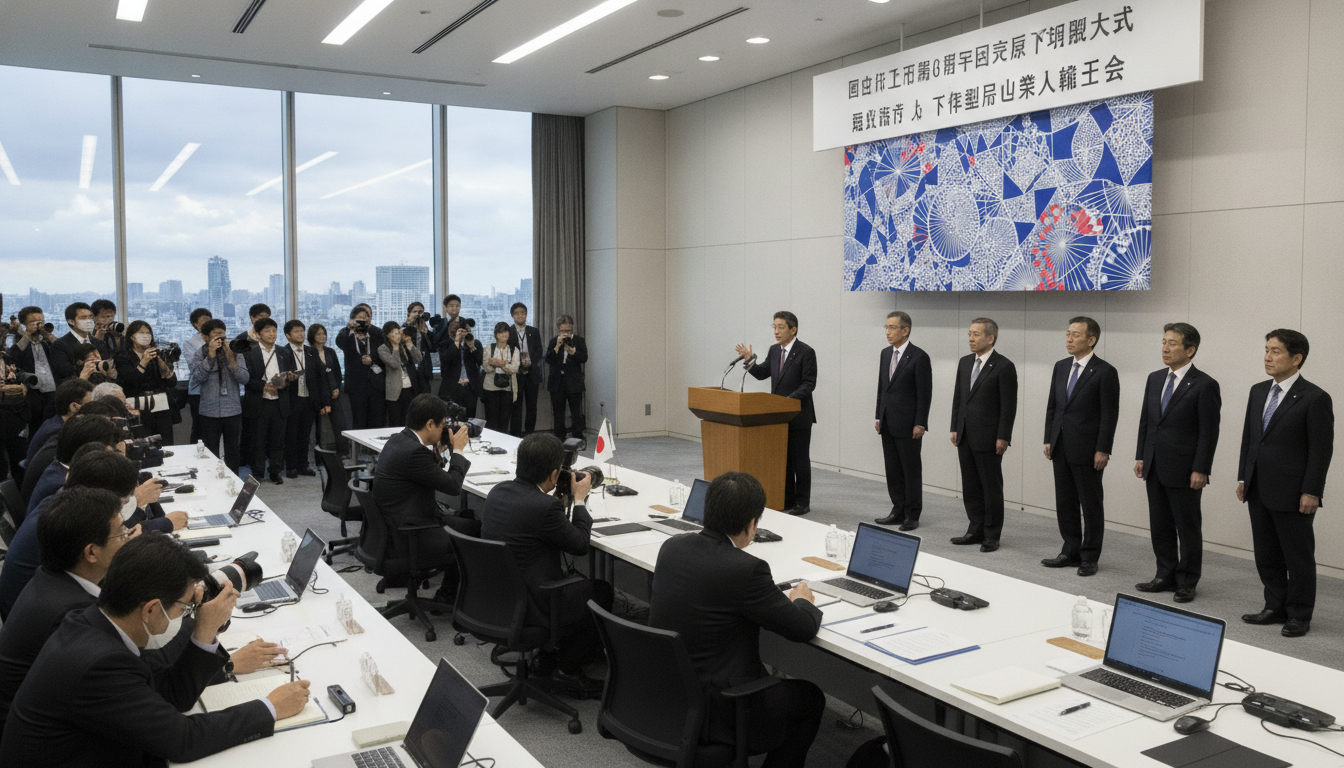
Japan’s new industrial strategy places "Physical AI" at the center of Prime Minister Sanae Takaichi’s economic blueprint, aiming to fuse artificial intelligence with the country’s manufacturing base to raise productivity and slow the rise of public debt. The plan, announced this week, promises targeted investment in robotics, sensors and edge computing to modernize factories and logistics networks. Officials say the initiative is intended to deliver faster productivity gains than traditional fiscal measures while also supporting regional economies and strategic supply chains.
Takaichi presents a time-bound industrial roadmap
The Prime Minister outlined a multi-year roadmap that prioritizes measurable productivity gains and investment milestones tied to budgetary discipline. The policy sets sectoral targets for advanced manufacturing, semiconductors, medical devices and green technologies, with progress reviews built into the calendar. Government ministers emphasized that the strategy will be evaluated against concrete output and productivity metrics rather than broad stimulus alone.
Targeted investment aims to raise output and tame debt
Central to the program is a shift from across-the-board stimulus to directed spending and incentives designed to crowd in private capital. The government plans to channel funds into co-investment vehicles, grants for capital upgrades and tax incentives for automation and AI adoption. Officials argue that boosting productivity through technology will raise GDP growth and the tax base, easing pressure on the public debt-to-GDP ratio without widening deficits.
Manufacturing modernization anchored by Physical AI
"Physical AI" is defined in the plan as the integration of machine learning, robotics, sensors and real-time controls directly into physical industrial processes. The strategy calls for accelerated deployment of edge AI systems that can manage quality control, predictive maintenance and autonomous logistics on the factory floor. Policymakers say this approach leverages Japan’s deep manufacturing expertise and could yield rapid efficiency gains across small and large firms alike.
Public‑private instruments and governance reforms
To implement the strategy, the government will expand public‑private funds and streamline regulatory approvals for pilot projects and data-sharing platforms. Ministries including METI are set to coordinate investments, while newly created innovation hubs will offer matched funding and technical assistance. The plan also proposes legal clarifications for data use in industrial settings and incentives for joint R&D between global suppliers and domestic manufacturers.
SMEs, labor and the skills challenge
Industry groups welcomed the ambition but warned that small and medium-sized enterprises may struggle to adopt sophisticated "Physical AI" systems without subsidies and training. The government’s package includes targeted support for upskilling, apprenticeship programs and subsidies for retrofitting older facilities. Labor representatives stressed the need for transition measures to retrain workers and avoid dislocation as automation expands, calling for clear timelines and support services.
International and supply‑chain strategic dimensions
Beyond domestic productivity, the policy frames "Physical AI" as a strategic response to global competition and fragile supply chains. Officials said investments will prioritize resilience in semiconductor-related manufacturing and climate-friendly production lines, aiming to attract overseas partners and secure critical inputs. Analysts note that the move positions Japan to compete with rival industrial strategies abroad while offering partners reliable manufacturing capacity.
The government’s push also signals a diplomatic dimension: by deepening technological cooperation with allied economies, Tokyo hopes to reduce strategic vulnerabilities and promote high‑value exports. Observers say success will depend on rapid commercial deployment, intellectual property frameworks, and continued collaboration with universities and private firms.
The new plan has a heavy emphasis on measurable outcomes, with ministers pledging quarterly reviews and public reporting on investment flows and productivity improvements. If realized, officials contend, "Physical AI" could offer Japan a path to higher growth without rekindling unsustainable borrowing, though implementation risks and the need for broad business adoption remain significant.
Delivering on the strategy will require swift coordination between national ministries, regional governments and private industry, as well as sustained funding for workforce development and digital infrastructure. The coming months will test whether the blend of targeted investment, regulatory reform and corporate incentives can translate the promise of "Physical AI" into tangible productivity gains and fiscal relief.

