
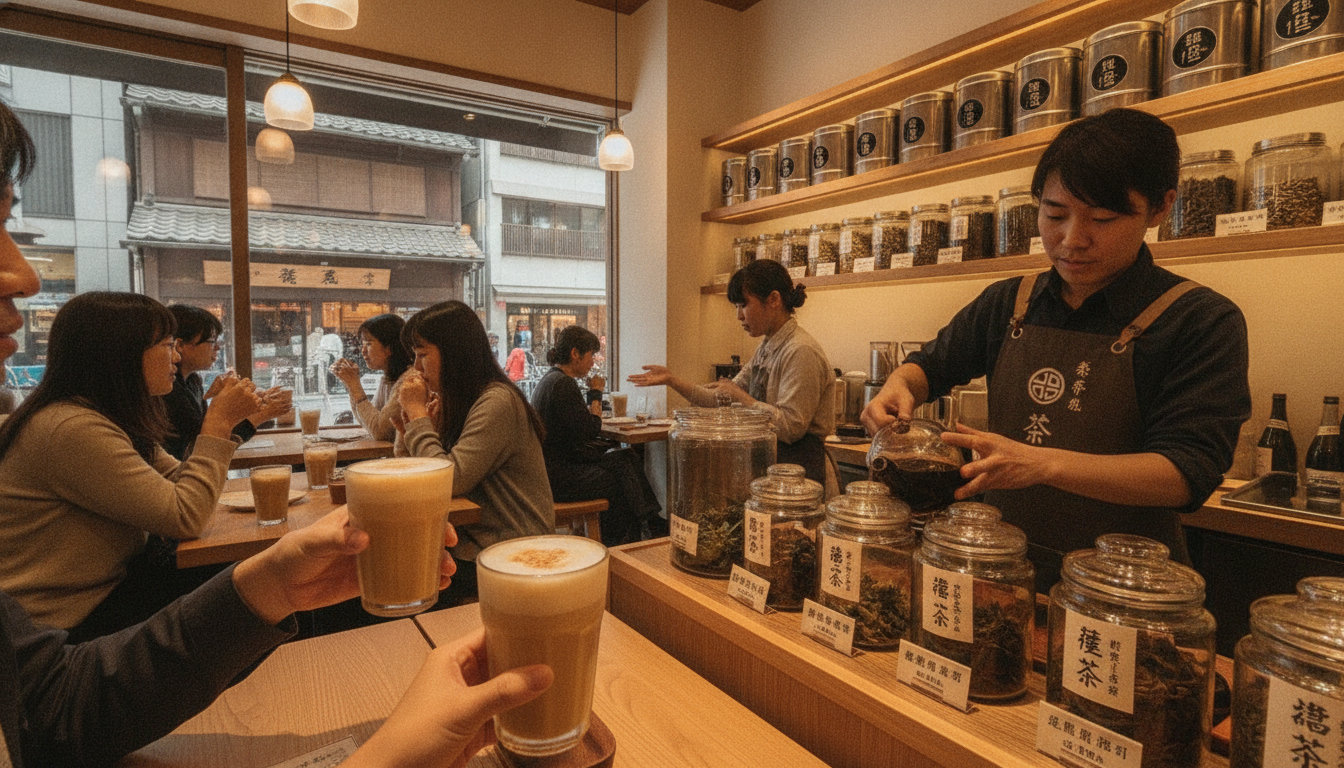
Premium Milk Tea Trend Sweeps Japan’s Cafes
Japanese cafes are embracing premium milk tea made from Chinese and Taiwanese leaves, prioritizing aroma, flavor and striking Instagram-ready presentation.
A new wave of milk tea offerings is reshaping cafe menus in Osaka and Tokyo as shops swap syrupy, mass-market blends for carefully sourced Chinese and Taiwanese tea leaves. Consumers are responding to drinks that emphasize aroma, mouthfeel and brewing technique as much as visual appeal, creating a market where taste and theatre go hand in hand. The trend has put small specialist outlets and established cafes into direct competition for sourcing, equipment and social media attention.
Shops Bet on Higher-Grade Leaves
Many cafes are replacing commodity tea powders with single-origin leaves imported from China and Taiwan to highlight terroir and varietal differences. Retailers say the move is intended to appeal to customers who want a more refined milk tea experience, with tasting notes ranging from floral oolong to roasted pu’erh. Prices for these premium milk tea offerings tend to be higher than typical bubble tea, reflecting both the cost of leaves and more labor-intensive preparation.
Proprietors describe the investment as a branding decision as much as a quality one, positioning their drinks alongside specialty coffee and craft nonalcoholic beverages. Some operators work directly with growers to secure limited harvests and exclusive grades, while others partner with local importers that curate seasonal selections. The result is a menu where the tea base is named and described, rather than hidden behind sugary syrups.
Aroma and Brewing Technique Draw Focus
Beyond leaf selection, cafes are emphasizing brewing methods that preserve volatile aromatics and deliver a pronounced scent when the cup is lifted. Controlled steeping times, temperature management and brief infusion periods are used to extract delicate flavors without bitterness, and milk proportions are adjusted to balance body with fragrance. In several outlets, baristas use teaware and steaming devices that add visible vapor effects, enhancing the sensory appeal before a sip.
One Yokohama shop, Chazhong, has become notable for a theatrical steam effect created by a small teaware device placed atop cups, producing a fragrant cloud for customers to inhale. Staff explain that the visual steam underscores the freshness of the brew and signals careful preparation, turning the moment of service into part of the experience. These techniques, while time-consuming, create a clear differentiation from faster, assembly-line bubble tea models.
Presentation Drives Social Media Interest
Visually striking presentations remain central to the trend, with layered milks, patterned creams, hand-whisked froths and edible garnishes tailored for Instagram and TikTok. Cafes design cups and trays to photograph well, and many encourage patrons to share images online by staging lighting or offering branded backdrops. Social media posts by customers and influencers have amplified awareness, driving foot traffic as followers seek the drinks they see in feeds.
Operators say online buzz often precedes mainstream recognition, with limited daily batches selling out quickly after viral posts. However, staff caution that the online image must be matched by taste to sustain repeat business, and several cafes have added tasting notes and recommended pairing suggestions to menus to guide expectations. The interplay between visual theatre and genuine flavor has become a defining feature of these premium milk tea offerings.
Diverse Customers Fuel Demand
The customer base for premium milk tea spans young social-media-savvy consumers and older tea enthusiasts who value provenance and brewing craftsmanship. Students and office workers are attracted by the novelty and shareability of the drinks, while long-time tea drinkers appreciate clearer labeling of leaf type and origin. This cross-generational interest has broadened the market and encouraged cafes to offer varying portion sizes and sugar levels to accommodate diverse tastes.
Some operators report that customers who arrive for a photograph often return later seeking the subtler qualities they first noticed, such as floral notes or a clean finish. The trend is also prompting experimentation among regulars, who are trying leaf varieties they previously associated only with traditional tea ceremonies. As demand grows, cafes are expanding tasting events and limited-run menus to educate patrons and deepen engagement.
Supply and Cost Pressures on Operators
Sourcing higher-grade Chinese and Taiwanese leaves presents logistical and cost challenges for Japanese cafes, including shipping, quality control and seasonal variability. Importers and shop owners say lead times can be long and that prices fluctuate with harvest conditions, making menu planning more complex than for standard beverage ingredients. Some cafes have started stockpiling certain grades or developing direct relationships with growers to secure consistent supply.
These measures increase operating costs, which are usually passed on to customers through higher prices and smaller serving sizes. For independent operators, the balance between affordability and authenticity can be delicate, prompting some to limit premium offerings to signature items while keeping a base menu of more conventional milk teas. Industry observers note that scalability will be a key test for whether the premium milk tea segment moves beyond niche appeal.
Outlook for Japan’s Milk Tea Market
Analysts and cafe owners say the premium milk tea trend is likely to persist as long as consumers continue to value both sensory nuance and shareable experiences. Some chains are experimenting with limited-time collaborations and pop-up shops to test new leaf varieties and presentation styles without long-term commitments. Meanwhile, smaller specialty outlets aim to deepen their reputations by hosting tasting events and publishing brewing guides.
Sustainability and traceability may become more prominent selling points as the market matures, with customers increasingly asking where leaves are grown and how they are processed. If operators can maintain quality while expanding reach, premium milk tea could establish itself as a mainstream segment within Japan’s broader cafe culture. For now, the emphasis on aroma, technique and visual presentation is rewriting expectations about what a milk tea can be.
As cafes across Osaka, Tokyo and other cities continue to refine recipes and experiment with leaf sourcing, the shift from mass-market sweetness to a focus on tea craftsmanship signals a new chapter in Japan’s beverage scene. Consumers appear ready to pay a premium for drinks that deliver both flavor and a memorable moment.

