
Japan firms warn supply chains may not return to normal after Iran war disruptions
Japanese firms warn supply chains may not return to pre-conflict norms after Iran war disruptions, spurring supplier shifts, higher costs and longer shipping routes.
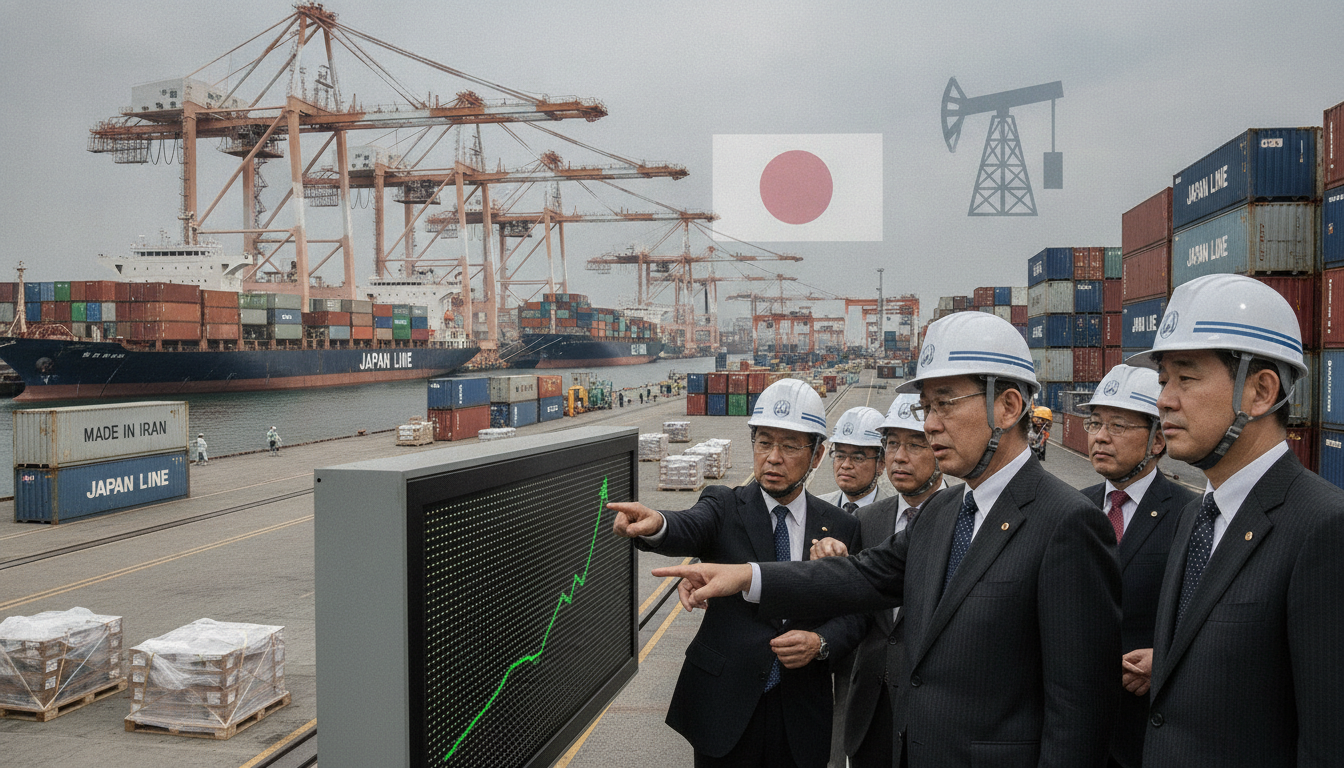
Tokyo — Japanese companies and industry analysts warned that disruption from the Iran war is unlikely to ease quickly and that supply chains may never fully return to pre-conflict norms. The prospect of prolonged higher prices, stripped-down packaging and persistent rerouting was raised as firms move to diversify away from Middle East sources. Shipping firms have already curtailed transit through the Strait of Hormuz, adding to delays and cost pressures for manufacturers and retailers across Japan.
Mitsui OSK and tanker operators restrict Strait of Hormuz transit
Mitsui OSK Lines, Japan’s largest tanker operator, has said it will resume navigation through the Strait of Hormuz only when safety is fully assured. That stance mirrors warnings from other international carriers that have reduced or suspended transits in the region amid continued hostilities.
The restriction has immediate effects on crude and refined product flows to Japan, which relies on timely tanker deliveries for industrial and energy needs. Industry officials say the pause is cautious but likely to be protracted while insurers, shipowners and flag states reassess risk.
Manufacturers shift sourcing away from Middle East suppliers
Major Japanese manufacturers are accelerating moves to diversify procurement, seeking alternative suppliers outside the Middle East for chemicals, petrochemical feedstocks and other inputs. Firms in sectors from plastics to packaging have begun negotiating new contracts or increasing stockpiles to blunt future shocks.
Analysts say these changes are structural rather than temporary, noting firms prefer stable, long-term supplier relationships and predictable logistics even at higher cost. The transition will take time and could permanently alter regional trade patterns for several product lines.
Higher freight and insurance costs signal lasting price pressure
Freight rates have risen as vessels take longer routes around hotspots and insurers levy higher premiums for ships operating near conflict zones. The combination of longer voyages and elevated marine insurance is being passed down the chain, contributing to persistent price increases for imported raw materials and finished goods.
Companies report reworking packaging and reducing nonessential components to curb costs, a practice that may become standard if elevated transportation expenses persist. Consumers may see these savings measures reflected in simpler packaging and, in some cases, higher retail prices.
Automotive and electronics supply chains face prolonged delays
Japan’s automotive and electronics sectors, which rely on tightly timed shipments of components, are particularly vulnerable to extended disruption. Parts shortages and delayed shipments could slow production lines, prompting temporary model adjustments or shifts in assembly scheduling.
Several suppliers have informed automakers they are exploring local sourcing or dual sourcing strategies to reduce single-point failures. Industry insiders caution that reconfiguring complex supplier networks will take months to years and will not eliminate short-term bottlenecks.
Logistics rerouting will add time and cost to imports
Shipping companies rerouting vessels to avoid risky chokepoints are adding days or weeks to transit times, particularly for shipments from the Persian Gulf to East Asia. The longer voyages also increase fuel consumption and operational wear, leading to higher operational costs for carriers and their customers.
Ports in alternative hubs are seeing higher demand for transshipment and storage, placing pressure on terminal capacity and inland logistics. This secondary strain risks creating inland bottlenecks even after ocean freight stabilizes.
Government and industry coordination steps up in Tokyo
Japanese government agencies and trade associations have stepped up consultations with industry to manage supply risks and maintain critical flows. Authorities are pressing for contingency plans, encouraging stockpile reviews and facilitating supplier diversification where possible.
Officials are also engaging with international partners to seek assurances on maritime safety and to coordinate insurance and security measures that could help restore more regular shipping patterns. Still, government sources say any rapid normalization will depend on conditions on the ground in the region and the willingness of carriers to resume full operations.
Japan’s energy sector and heavy manufacturing are already weighing longer-term adjustments, including contract re-negotiations and investment in alternative logistics routes. These measures aim to reduce acute vulnerability but would raise operating costs for many firms.
Despite contingency measures, executives and analysts emphasize uncertainty remains high and that a full return to pre‑conflict supply-chain efficiency should not be assumed. The outcome will hinge on developments in the region and the pace at which firms can realistically restructure sourcing and logistics without undermining competitiveness.
Companies and policymakers face a balance between securing resilient supply lines and containing the economic impact of more expensive, lengthier logistics. In the near term, Japanese industry appears prepared for a period of adjustment and higher costs, with many expecting the commercial landscape to look permanently different than it did before the Iran war.

