
Japan’s sports leagues expand across Asia to grow fan bases and tap regional talent
Japan’s sports leagues expand across Asia, staging matches in Taiwan, the Philippines and Thailand to grow fan bases, media rights and talent pipelines.
Japan’s top domestic leagues are mounting a coordinated push to expand their presence across Asia, staging season openers and exhibition matches abroad to reach new audiences and recruit regional talent. The move comes as the T.League, B.League and V.League each pivot toward international fixtures and partnerships, leveraging the popularity of star players from Taiwan, the Philippines and Thailand to boost attendance and broadcast viewership. League officials say the strategy aims both to raise the international profile of Japanese professional sport and to create new commercial opportunities in fast-growing regional markets. Organizers are betting that staging games in neighboring countries will deepen fan engagement while creating pathways for talent exchange.
T.League opens ninth season in Taiwan
The table tennis T.League has chosen Taiwan for its season-opening fixtures, a decision driven by strong regional interest in the sport and the drawing power of prominent Taiwanese and Southeast Asian players. League organizers held a season-opening press conference ahead of the matches, highlighting the ninth season’s cross-border schedule as a flagship example of Japan’s sports leagues expand across Asia. Promoters expect the Taiwan programme to attract domestic and visiting fans, while providing a showcase for players who command followings in both Japan and overseas. The T.League’s move reflects a longer-term effort to internationalize competition formats and cultivate sponsors outside Japan.
B.League schedules regional exhibitions to court Filipino fans
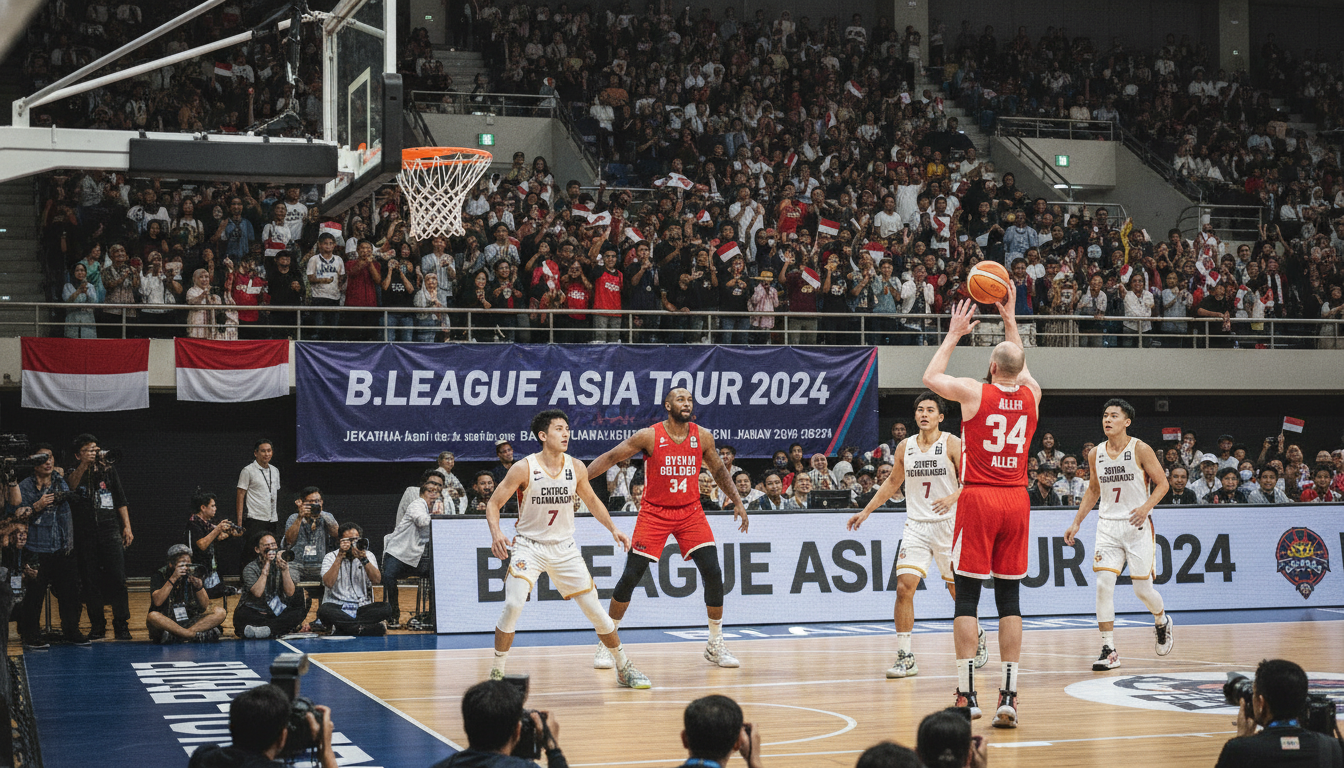
Japan’s professional basketball circuit has announced preseason and exhibition games in the Philippines aimed at tapping into that country’s deep basketball culture and the popularity of Filipino players and imports. The B.League’s outreach includes cooperative events with local promoters, talent clinics and joint marketing initiatives that are intended to translate local enthusiasm into sustained viewership for the regular season. League representatives emphasize that staging games in Manila and nearby cities will help secure regional broadcast agreements and merchandising links, expanding revenue sources beyond the Japanese market. By bringing marquee matchups to Filipino arenas, the B.League hopes to convert casual interest into longer-term support for clubs and players.
V.League courts Southeast Asian audiences with marquee signings
Japan’s V.League for volleyball has been active in recruiting and spotlighting players from Thailand and other Southeast Asian nations, pairing on-court competition with community engagement to strengthen ties with regional fans. Clubs are scheduling friendly matches, joint training camps and outreach events that showcase local talent and provide opportunities for domestic players to measure themselves against internationals. League officials argue that highlighting Southeast Asian athletes will help build a regional narrative around Japanese club competition and encourage broadcasters to include V.League fixtures in their schedules. These initiatives also aim to enhance scouting networks and create clearer pathways for promising players from neighboring countries to play in Japan.
Commercial strategy: broadcasting, sponsorships and local partnerships
Commercially, the push to expand across Asia is centered on securing broadcast deals, sponsorships and local partnerships that can scale quickly once fan bases take root, industry analysts say. Leagues are negotiating streaming and linear broadcast arrangements that target both expatriate communities and local viewers, while seeking sponsors whose regional footprints align with planned events. Clubs and league offices are also pursuing tie-ups with tourism agencies and municipal governments to co-host fixtures that offer economic benefits to host cities. The emphasis on media rights and branded partnerships reflects a recognition that international exposure will be critical to monetizing the growing interest generated by cross-border matches.
Operational constraints and scheduling trade-offs
Expanding schedules beyond Japan’s borders brings logistical complexity, with travel, player workload and calendar coordination emerging as persistent challenges for clubs and leagues. Teams must balance the benefits of regional fixtures against the demands of domestic seasons and international competitions, and medical and coaching staff face added responsibilities when planning travel and recovery. League administrators acknowledge the need for clearer windows in domestic calendars and improved cooperation with national federations to avoid conflict with international tournaments. Despite these constraints, officials say the long-term strategic rewards of building regional brands and talent pipelines justify the short-term operational trade-offs.
Japan’s sporting expansion across Asia also carries softer returns that organizers highlight: stronger cultural exchange, deeper fan relationships and an enhanced perception of Japanese leagues as regional hubs for high-level competition. If the current initiatives succeed in converting overseas interest into sustained commercial and competitive ties, they could reshape how domestic leagues view their markets and talent pools. For now, fans in Taiwan, the Philippines and Thailand will be watching closely as Japan stages matches designed to bring players, clubs and supporters closer together across the region.

