
Joshua Wong Pleads Guilty Under Hong Kong Security Law, Faces Additional Jail Time
Joshua Wong pleaded guilty under the Hong Kong security law to conspiring to collude with foreign forces on Sept. 2, 2026, and faces more jail time amid concern
Joshua Wong, one of Hong Kong’s most prominent democracy activists, pleaded guilty on Sept. 2, 2026, to a charge of “conspiring to collude with foreign forces” under the Hong Kong security law. The plea was entered as Wong continues to serve a separate sentence for subversion, raising the prospect of further imprisonment for the activist. The case marks the latest high-profile use of the security law to bring new charges against critics of the Hong Kong government.
Plea Entered and Court Proceedings
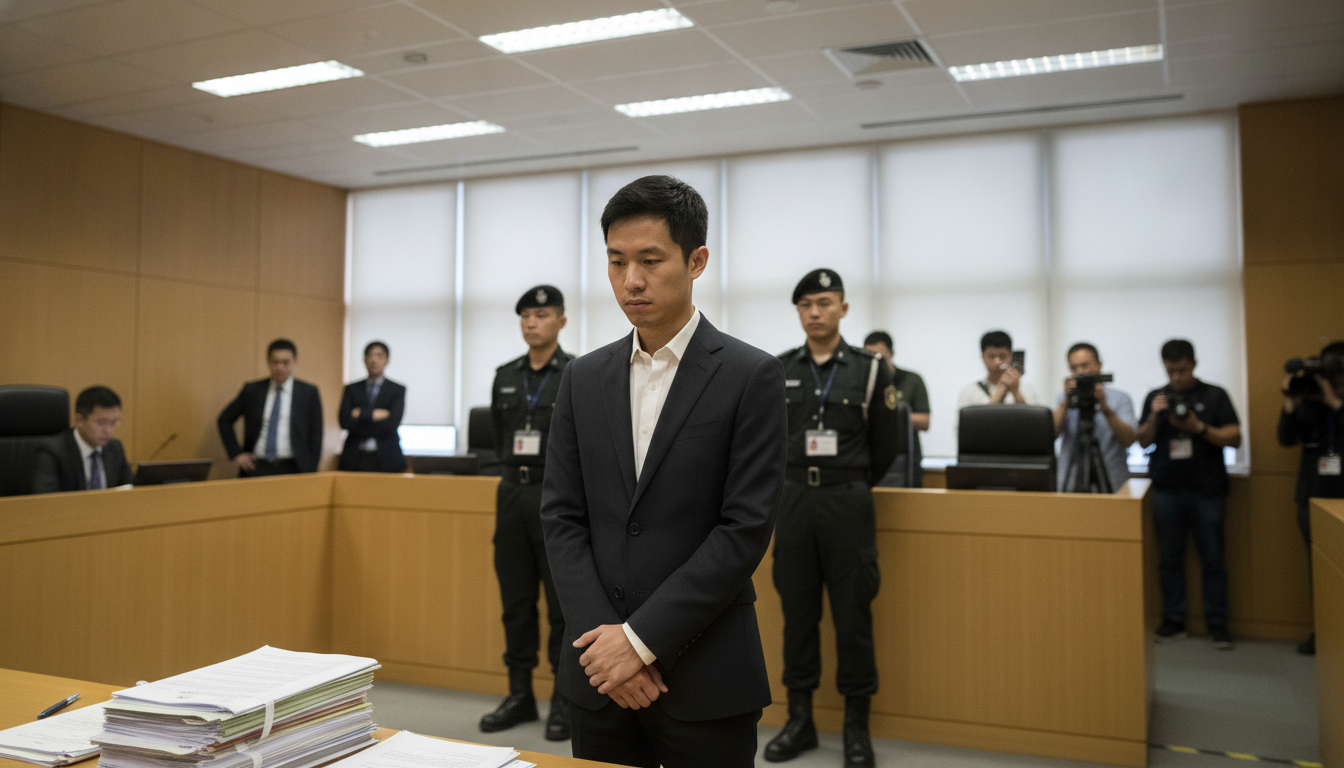
Wong appeared in a Hong Kong court on Wednesday and formally admitted guilt to the collusion charge, according to court records and public reporting. Prosecutors allege his conduct amounted to coordination with external entities in a manner criminalized by the territory’s national security legislation. Judges will now consider additional penalties on top of the sentence he is already serving for subversion.
The hearing was brief and conducted under the procedural framework laid out for national security cases, where certain restrictions on public reporting and evidence handling are routinely applied. Court officials did not immediately release a timetable for sentencing, and legal teams for Wong did not provide an immediate public comment after the plea.
Legal Basis: Hong Kong Security Law and Collusion Offense
The charge stems from the mainland-imposed national security law, a statute that includes an offence criminalizing collusion with foreign forces and other acts deemed to endanger national security. The collusion provision has been used repeatedly by authorities to prosecute activists, journalists and civic figures since the law’s enactment.
Under the security law, authorities may pursue a wide range of alleged interactions with foreign organizations or governments if they are judged to influence Hong Kong affairs. Legal observers say the law’s broad language gives prosecutors flexibility but has also drawn criticism from rights groups and some foreign governments.
Existing Subversion Sentence and Potential Additional Penalties
Wong is already serving a prison term handed down after convictions on charges related to subversion and protest activity, offences that have attracted international attention. That prior sentence remains in force as the new collusion plea is processed, meaning any new penalty could extend his total time in custody.
Sentencing guidelines for security law offences vary depending on the specific counts and judicial findings, and punishment can include substantial additional terms. Observers say judges will weigh the nature of the admitted conduct and any mitigating factors presented by defense counsel before determining any extra time to be imposed.
International Reaction and Diplomatic Concerns
The guilty plea is likely to renew diplomatic scrutiny of Hong Kong’s use of national security legislation, which has been a focal point of criticism by rights organizations and several Western capitals. Human rights groups have consistently argued the law curtails freedoms and undermines the territory’s once-robust civil society environment.
Some foreign governments have previously expressed concern when leading pro-democracy figures have been charged under the security law, citing risks to free expression and political pluralism. Officials and advocates are expected to monitor the outcome of Wong’s case and its implications for future prosecutions under the collusion provisions.
Local Impact on Pro-Democracy Movement
Wong’s plea and the potential for longer incarceration add to a pattern that critics say has weakened Hong Kong’s pro-democracy movement by reducing its visible leadership. Arrests, prosecutions and the disbanding of activist groups over the past years have led to fewer public demonstrations and a reconfiguration of opposition activity inside and outside the city.
Supporters of the security law’s enforcement argue it restores order after the 2019 unrest and protects national sovereignty. Backers in government and pro-establishment circles view prosecutions like Wong’s as necessary to deter foreign interference and unlawful disruption.
Next Legal Steps and Wider Implications
Legal analysts say Wong’s admission of guilt removes certain uncertainties about trial outcomes, but multiple legal questions remain as the courts consider appropriate sentencing and any potential appeals. The handling of this case may influence how prosecutors pursue similar collusion allegations in the future.
Wong’s decision to plead guilty to conspiring to collude with foreign forces closes one chapter in a long-running series of prosecutions involving prominent activists, while opening another as judges set the terms of additional punishment. The outcome will be watched closely by advocacy groups, diplomats and Hong Kong residents concerned about the balance between security and civil freedoms.

