
Kumamoto earthquake: First suspected disaster-related death confirmed after heatstroke in car evacuation
Kumamoto earthquake: First suspected disaster-related death confirmed as a woman in her 70s died of heatstroke while sheltering in a car; 99 heatstroke cases.
A suspected disaster-related death has been confirmed after the Kumamoto earthquake, prefectural officials said on August 2, 2026. The prefecture reported that a woman in her 70s who had been sheltering in her car died of heatstroke on July 30, 2026, becoming the first case classified as possibly linked to the disaster. Authorities are continuing to tally casualties and monitor a sharp rise in heat-related medical transports since the quake struck on July 28, 2026, which registered a maximum seismic intensity of 7.
First Suspected Disaster-Related Death Confirmed
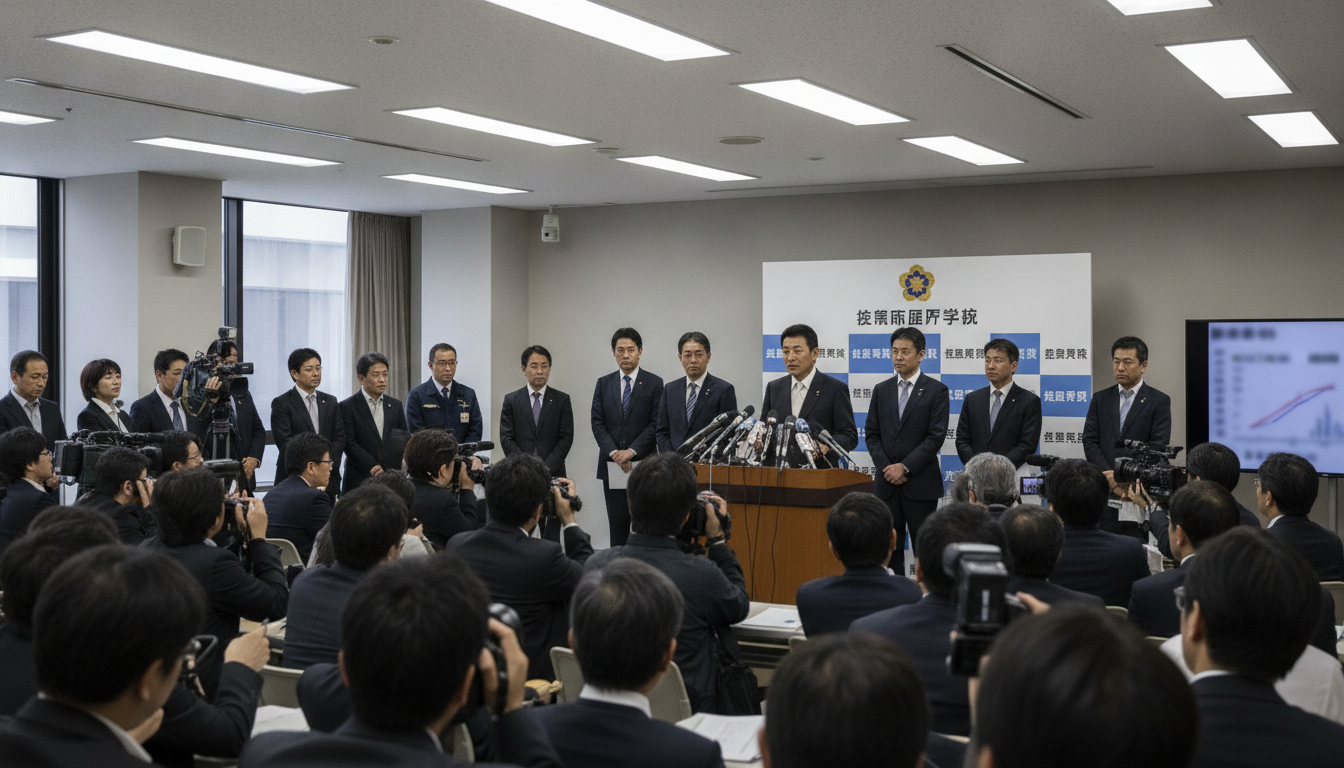
Kumamoto Prefecture announced the confirmation at a disaster response meeting convened on the morning of August 2, 2026. The prefectural disaster countermeasures headquarters described the fatality as the first death being treated as possibly related to the earthquake.
Officials clarified that the determination is based on the circumstances of the death and the timing after the quake, and they said further examinations will continue to establish a direct link. The confirmation marks a shift in the prefecture’s casualty accounting as recovery and medical teams respond to secondary risks after the initial seismic event.
Circumstances of the Fatality and Evacuation Conditions
According to the prefectural report, the woman had been staying in her car after the quake and was taken by ambulance to hospital with symptoms consistent with heatstroke on July 30, 2026. Medical personnel confirmed her death the same day, and investigators noted the vehicle had run out of gasoline at the time the woman was found, leaving the car’s air conditioning off.
The case highlights the hazards of car-based evacuation during prolonged hot weather, particularly when fuel supplies and cooling systems fail. Local authorities said they are examining the scene and collecting medical and witness information to determine how the prolonged exposure contributed to the fatal outcome.
Tally of Fatalities and Ongoing Investigations
Kumamoto Prefecture reported that the official death count related to the disaster rose by two, bringing the total to 38, including two deaths whose links to the quake remain under investigation. Officials emphasized that numbers may change as coroners and emergency services complete reviews and as additional data from hospitals and municipalities are consolidated.
The prefectural disaster response headquarters said teams are coordinating with municipal offices to verify each case and to provide families with information and support. Authorities cautioned that casualty figures in the aftermath of large quakes can take time to stabilize as medical and forensic processes conclude.
Heatstroke Admissions Surge in Post-Quake Period
Between July 28 and August 1, 2026, emergency services recorded at least 99 ambulance transports for suspected heatstroke across the prefecture, the disaster office said. Of those, eight patients were classified as severe and 65 as moderate; 63 of the transported patients were aged 65 or older.
Health officials attributed the surge to a combination of high summer temperatures and disruptions to ordinary sheltering arrangements after the quake. Medical teams have prioritized elderly residents and those sheltering outside buildings, noting that the physical strain of cleanup and limited access to cooling can rapidly worsen heat-related conditions.
Prefectural Response and Emergency Measures
On August 2, 2026, the prefecture activated its disaster countermeasures headquarters to coordinate medical care, shelter operations, and logistical support for affected communities. Officials said they were stepping up checks on evacuees, particularly older residents, and working to ensure access to cooling spaces and medical treatment.
The office also said it is surveying municipal shelters and evacuation sites for adequate water, electricity, and cooling equipment, while utility crews and support teams assess infrastructure damage. Prefectural spokespeople urged residents to report anyone in distress and to use designated cooling centers rather than staying in vehicles when possible.
Risks of Prolonged Car Evacuation and Elderly Vulnerability
Public health experts warn that sheltering in vehicles during heat waves poses distinct risks that can lead to rapid deterioration, especially for older people and those with pre-existing conditions. Vehicles can become heat traps when engines and air conditioning stop, and limited ventilation increases the chance of heat exhaustion and heatstroke.
The prefecture’s data — showing that 63 of the 99 heat-related transports were 65 or older — underscores the particular vulnerability of elderly evacuees. Officials and relief groups are reminding the public that cooling centers, hospitals, and municipal shelters are better equipped to manage heat risks than parked cars.
Local governments are also being urged to prioritize outreach to isolated seniors and to consider mobile welfare checks in areas where homes or shelters remain inaccessible. Emergency planners said they will review guidance on evacuation choices and temporary sheltering to reduce secondary hazards in future responses.
Authorities continue to appeal for cooperation from residents and those offering assistance, and they have called on community groups to help identify vulnerable people in need of urgent cooling or medical care. The prefecture said it will publish updated casualty figures and health advisories as new information becomes available, and that recovery operations will remain focused on both direct quake damage and the compounding threat of extreme heat.

