
Kyushu Shinkansen full August restart unlikely after quake damages Hinagu fault zone
JR Kyushu says full reopening of the Kyushu Shinkansen between Kumamoto and Kagoshima Chuo is unlikely in August 2026 due to quake damage near the Hinagu fault.
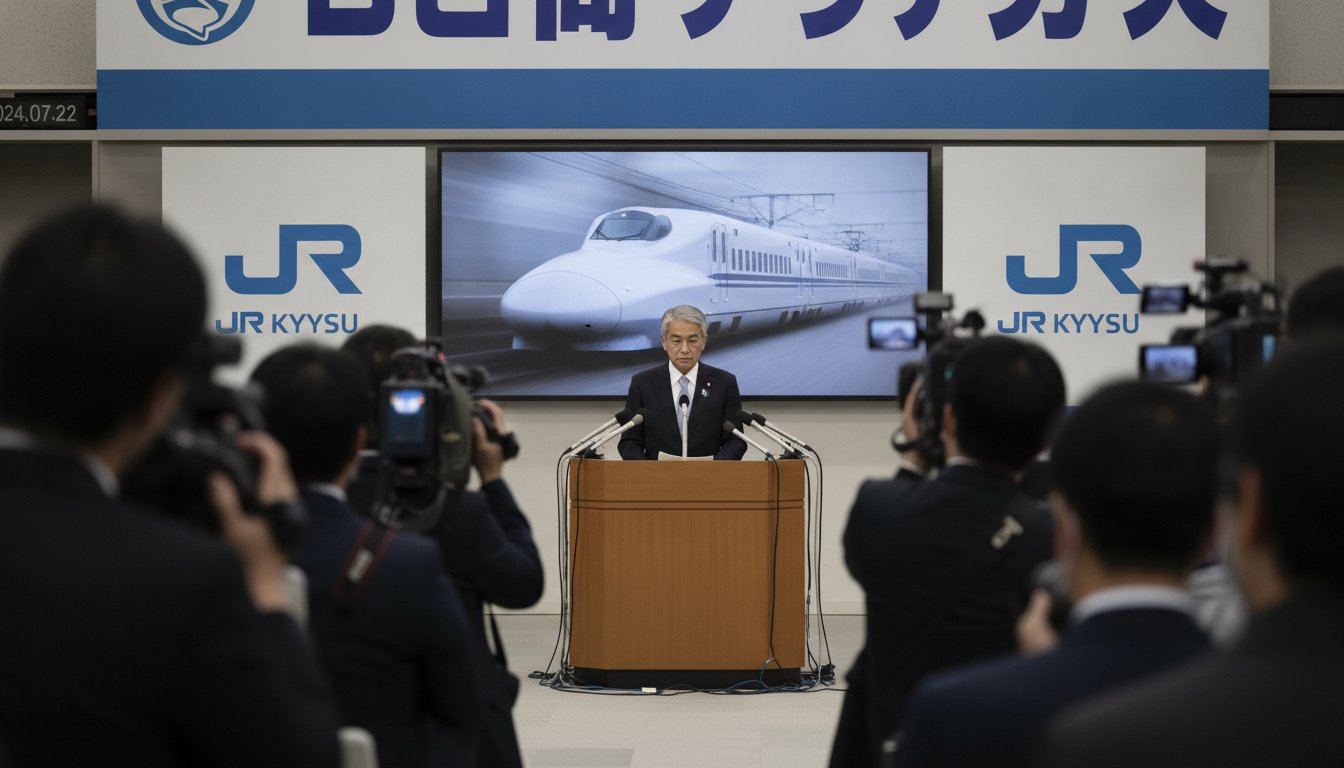
On July 31, 2026 JR Kyushu announced that the Kyushu Shinkansen is unlikely to resume full service between Kumamoto and Kagoshima Chuo during August due to extensive infrastructure damage. The operator said damage near the Hinagu fault zone has caused breaks and warping in rails and damage to elevated bridge structures, making a rapid return to normal service difficult.
Extent of damage reported by JR Kyushu
JR Kyushu reported that inspection teams found multiple points of severe damage along the line, concentrated around the Hinagu fault zone area. Company engineers pointed to fractured rails, track misalignment, and visible damage to viaduct supports as primary obstacles to immediate restoration.
The operator said the segment between Kumamoto and Shin Minamata will require particularly extensive repair work that cannot be completed within weeks. JR Kyushu emphasized that safety checks and structural reinforcement must be completed before any train service is allowed to resume on the affected stretches.
Segments that may reopen sooner
JR Kyushu indicated that the Shin Minamata to Kagoshima Chuo portion could resume operations sooner once inspections and targeted repairs are finished. That segment has been prioritized where damage is lighter and access for repair crews is clearer, according to the operator.
However, the company stressed that any reopening will follow rigorous safety verifications and that provisional timetables will be announced only after engineers confirm track integrity. Passengers should expect phased restorations rather than an immediate full-service restart.
Conventional lines also facing prolonged suspensions
Beyond the Shinkansen, JR Kyushu said conventional services between Kumamoto and Yatsushiro remain suspended in parts, and the Uto to Yatsushiro section is unlikely to resume in August. Damage to embankments and local track structures has complicated efforts to restore regional service on short notice.
Local authorities and JR Kyushu are coordinating alternative transport for affected commuters and evacuees, including bus replacements and adjusted local train operations where possible. Officials warned that rural sections may face longer interruptions due to challenging terrain and access constraints.
Technical and logistical hurdles for repairs
Engineers cited both technical complexities and logistical bottlenecks as reasons for the extended recovery timeline. Repairing high elevated structures, replacing broken rails, and stabilizing ground near an active fault zone require specialized materials and construction methods that take time to stage safely.
Supply chain constraints for heavy equipment and the need to mobilize additional crews were also noted as limiting factors. JR Kyushu said it will provide detailed progress updates as work advances and will publish revised reopening estimates once more precise assessments are complete.
Impact on passengers and emergency response
The suspension of Kyushu Shinkansen services has disrupted long distance travel and freight logistics between central Kyushu and the southern prefectures. Commuters and travelers face longer journeys and limited direct connections, placing extra demand on road transport and regional rail where available.
Emergency responders and local governments have been working to ensure critical supplies and evacuation routes remain open, while the rail operator has committed to assisting with logistics for relief operations when necessary. JR Kyushu asked passengers to check official notices and to avoid traveling on affected corridors until services are confirmed.
JR Kyushu said it will continue round the clock inspections and repairs while coordinating with national and local authorities to secure resources. Company spokespeople reiterated that safety is the top priority and that reopening dates will be driven by engineering assessments rather than calendar targets.
Local communities have expressed concern over the disruption while officials balance the urgency of restoring connections with the need to guarantee long term safety. The company plans to hold further briefings as restoration work continues and as timelines become clearer.
The rail suspension underscores the broader challenges of restoring infrastructure after seismic events near active fault zones and highlights the importance of resilient design and rapid deployment capabilities for recovery.

