
Lufthansa Group maintenance facility to open at Clark International Airport in 2028
Lufthansa Group maintenance facility at Clark International Airport will service widebody jets, opening in 2028 with capacity for nine aircraft to boost regional MRO capability.
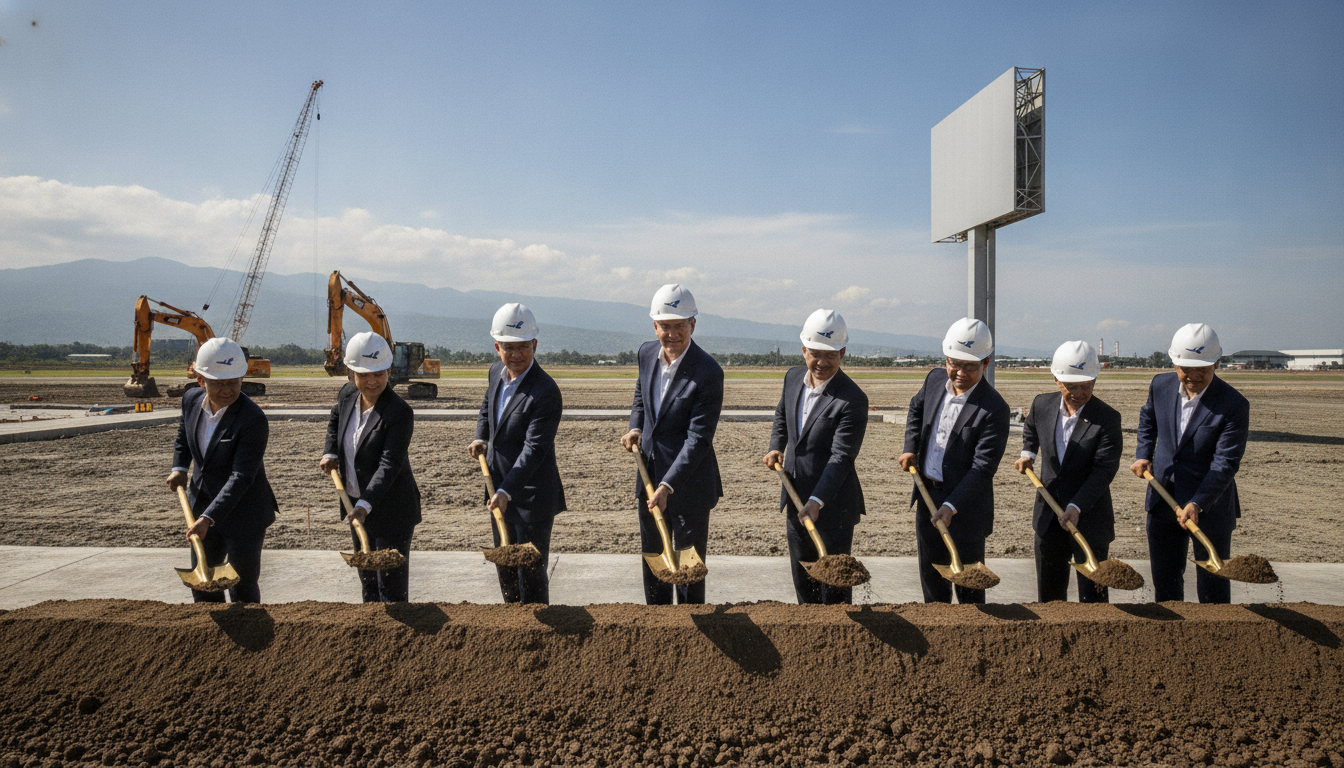
Lufthansa Group’s maintenance arm broke ground on a new aircraft maintenance, repair and overhaul facility at Clark International Airport on Thursday, marking the company’s second maintenance base in the Philippines. The new Lufthansa Group maintenance facility will focus on widebody aircraft and is scheduled to begin operations in 2028. Company plans released at the ceremony indicate the hangars will be able to accommodate up to nine widebody jets simultaneously. The project underscores growing demand for heavy maintenance capacity in Southeast Asia and the Philippines’ push to attract aviation investment.
Construction and capacity
The ground-breaking announced by Lufthansa’s maintenance division initiates construction of multiple hangars and support buildings tailored to large aircraft. The site has been designed to handle widebodies, with engineering and tooling scoped for modern long-haul types used by passenger and cargo carriers. Officials said the campus will include workshops, parts storage and inspection areas to support complex maintenance cycles and heavy checks. At full build-out, the facility’s ability to host nine widebody aircraft at the same time positions it among the larger MRO sites in the region.
Why Clark was chosen
Clark International Airport has emerged as an attractive site for aerospace investment due to available land, proximity to Manila, and growing airport infrastructure. The airport’s development plan and surrounding economic zones offer logistical advantages for heavy maintenance operations that require expansive ramps and secure storage. For airlines and third-party operators, Clark provides an option outside congested city airports and can reduce ferry-time costs for aircraft requiring scheduled heavy maintenance. The selection of Clark reflects both strategic planning by Lufthansa’s maintenance arm and the Philippine government’s efforts to diversify aviation industry hubs.
Benefits for airlines and cargo operators
A facility dedicated to widebodies will appeal to carriers operating long-haul passenger aircraft and large freighters, which typically require more space and longer downtime for heavy checks. By adding capacity in the Philippines, Lufthansa’s maintenance arm aims to shorten maintenance cycles for regional customers and provide an alternative to established hubs. Wider availability of heavy maintenance slots can reduce aircraft ground time and improve fleet utilization for carriers operating in the Asia-Pacific market. The project also responds to an uptick in demand for cargo conversions and long-haul services that put pressure on existing MRO capacity.
Local economic and workforce impact
The construction and operation of the new maintenance base are expected to generate skilled jobs in engineering, maintenance, logistics and supply-chain management. Training programs and technical partnerships are likely to accompany the facility’s opening to ensure a pipeline of certified technicians and inspectors. Local suppliers and service providers could see increased business from parts distribution to ground support equipment and facility services. For regional economies, a large MRO campus can become a durable source of high-value employment and industrial activity.
Regional MRO landscape and competition
The Asia-Pacific MRO market has expanded as airlines restored international schedules and cargo demand remained robust, intensifying competition among hubs. Established centers such as Singapore and newly developing sites in the Philippines, Malaysia and Indonesia are positioning themselves to capture traffic through capacity, costs and regulatory support. Lufthansa’s investment signals continued confidence in the region’s growth potential and may prompt other global MRO providers to accelerate capacity plans. The competition is likely to focus on turnaround times, technical expertise and the ability to service modern widebody fleets.
Timeline and regulatory steps
Construction is slated to proceed in phases ahead of an operational target in 2028, with the initial work concentrating on primary hangars and essential infrastructure. The project will require coordinated approvals from aviation regulators, airport authorities and local government units to meet safety and environmental standards. Staffing and training recruitment typically begin nearer to commissioning, while certification processes for maintenance organizations run in parallel with facility construction. Lufthansa’s maintenance arm has indicated it will work with local stakeholders to align the development with national aviation and industrial objectives.
The new Lufthansa Group maintenance facility at Clark International Airport represents a notable expansion of heavy-maintenance capacity in the Philippines and the wider Asia-Pacific region. With dedicated hangars for widebody aircraft and the ability to accommodate multiple large jets at once, the project aims to ease maintenance bottlenecks and support both passenger and cargo operations. As construction advances toward the 2028 opening, attention will fall on workforce development, regulatory approvals and how the facility integrates into the regional MRO network.

