
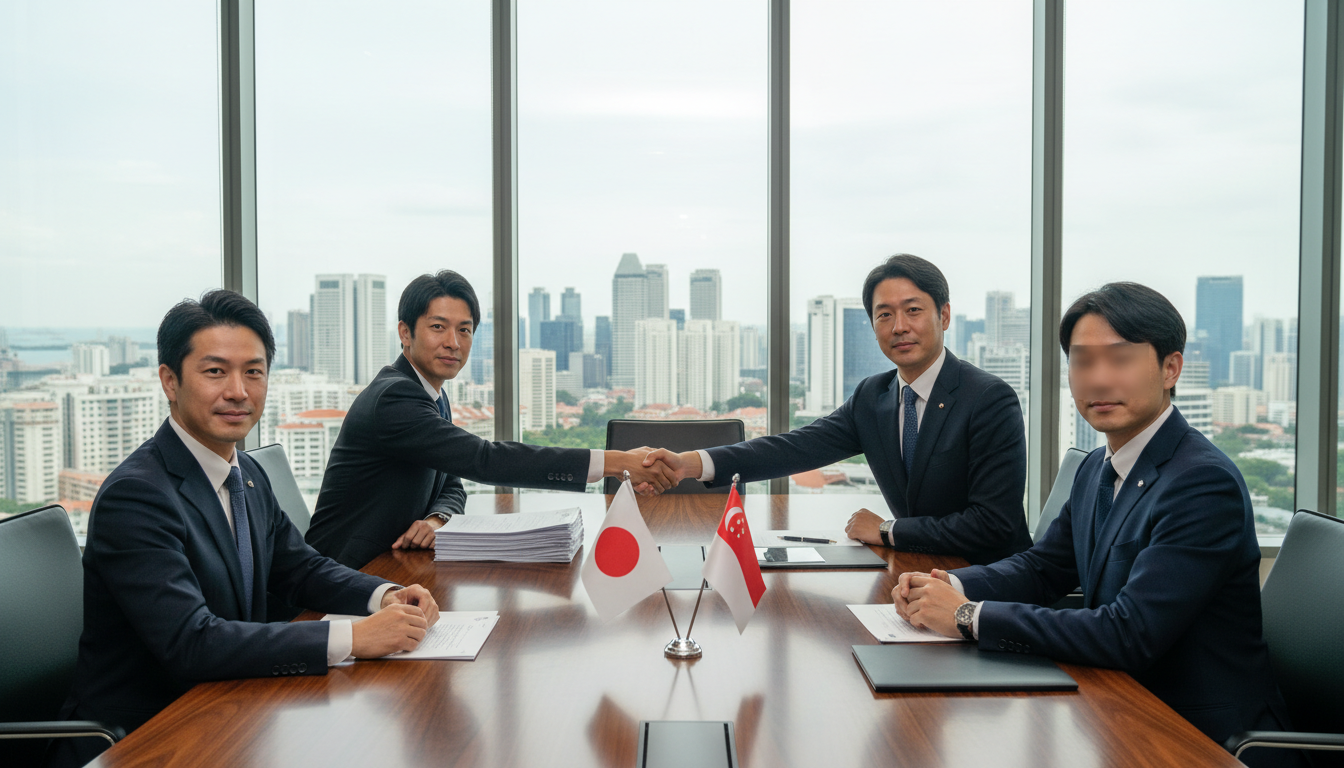
Mitsubishi Estate deepens move into furnished rental housing with Singapore partner
Mitsubishi Estate strengthens its overseas furnished rental housing business through ties with a Singapore operator, targeting growing expatriate demand and flexible-living markets.
Mitsubishi Estate has stepped up its push into furnished rental housing, expanding its relationship with a Singapore-based operator of flexible living units as demand from expatriates rises. The move comes as the Tokyo developer seeks to grow mid- to long-term stay offerings outside Japan and to capture a larger share of the all-inclusive rental market favored by international workers. Mitsubishi Estate has earlier formed strategic partnerships in the sector and is now accelerating efforts to scale operations across key Asian cities. (mec.disclosure.site)
Deal background and corporate ties
Mitsubishi Estate’s engagement in furnished rental housing traces back to a joint venture with Singapore-based co-living operator Hmlet — now operating under the Habyt group — which established a foothold for flexible-living products in Japan and the wider region. That partnership allowed Mitsubishi Estate to combine development expertise with an operator’s platform, enabling faster roll-out of furnished units tailored to medium- and long-term residents. Executives describe the arrangement as part of a broader strategy to diversify revenue streams amid changing lifestyle patterns and rising mobility of global talent. (mingtiandi.com)
Strategic aims and operational approach
The developer’s strategy prioritizes cost-efficient, minimal-service furnished rental housing that contrasts with full-service serviced apartments. Mitsubishi Estate is positioning these units for tenants who value quick move-in, flexible leases and lower fees rather than hotel-style amenities. Operationally, the focus is on scalable room inventories, modular fit-outs and standardised property management to control costs while maintaining consistent tenant experience. These design choices are intended to deliver higher occupancy across corporate and expatriate segments. (mec.disclosure.site)
Demand drivers among expatriates and mobile professionals
Expatriates and other international residents continue to drive demand for furnished rental housing because these units reduce the upfront cost and logistical burden of relocation. Market surveys and rental-platform data indicate that furnished options remain a preferred entry solution for new arrivals, particularly in major business hubs across Asia. Employers and relocation firms also favor flexible-leasing apartments for short-term assignments, creating steady corporate demand alongside individual tenants. (homejourney.sg)
Scale and footprint to date
Mitsubishi Estate’s flexible-living initiatives have already reached several hundred units through joint projects and licensing arrangements, with operator networks spanning multiple cities. Company disclosures note an operational portfolio of rooms under partner brands and point to growth objectives tied to Japan and overseas markets. These early-scale positions serve both as testbeds for product design and as a pipeline for converting new development projects into furnished-rental assets. (mec.disclosure.site)
Competition and market dynamics in Asia
The Asian flexible-living market is now populated by a mix of specialist co-living brands, global furnished-apartment platforms and traditional serviced-apartment providers adapting to demand for longer stays. Operators compete on price, location, and the balance of community services versus privacy, pushing developers to choose partnership models that align with local tenant preferences. For Mitsubishi Estate, aligning with established operators reduces execution risk and accelerates market entry compared with building an operator from scratch. (straitstimes.com)
Implications for landlords and renters in Japan
For landlords, the trend toward furnished rental housing opens alternative asset-management approaches that can capture premium yields on short-notice leases and corporate contracts. For renters, the proliferation of flexible, all-inclusive units lowers barriers to mobility and provides clearer cost structures for international hires and digital nomads. Regulators and industry groups will likely continue to monitor tenancy terms and licensing as the segment grows to ensure standards for safety, taxation and consumer protection. (mec.disclosure.site)
Mitsubishi Estate’s expanded engagement with furnished rental housing underscores how traditional developers are adapting to a more mobile, international tenant base by partnering with specialist operators and experimenting with product standardisation and licensing. The company’s moves reflect a broader shift in real estate strategy toward flexible, service-light living solutions that aim to meet expatriate needs while delivering scalable returns for owners.

