
Natural Wine Finds Foothold in Tokyo Amid Climate Woes and Weak Yen
Tokyo restaurants and importers expand natural wine offerings despite climate-hit harvests and a weak yen, reshaping supply chains and tasting culture.
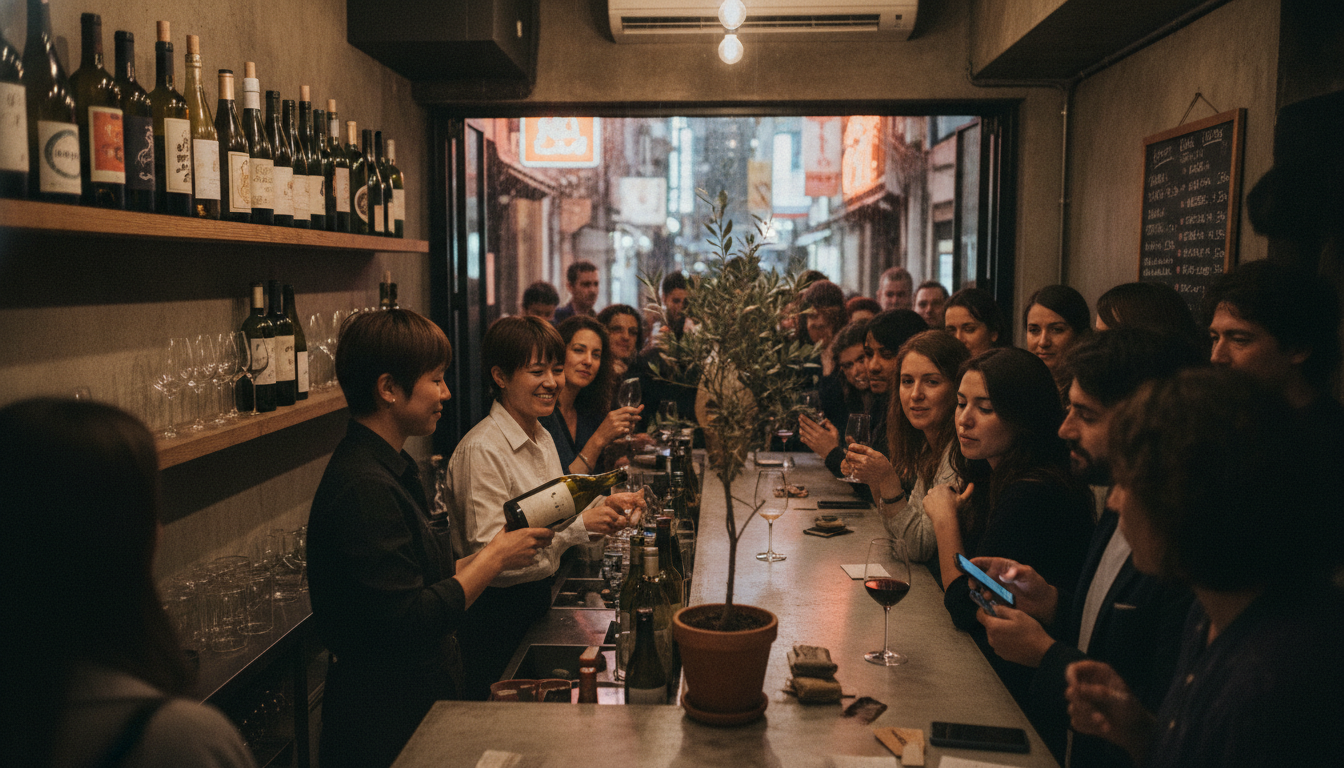
Tokyo diners are increasingly seeking natural wine, prompting restaurants and small importers to broaden their selections despite tighter supply and rising costs. The trend is visible in neighborhood venues such as Atelier de Terrine Maison Okei in Setagaya, where staff and customers sample low-intervention bottles and unfamiliar styles. Restaurateurs say the demand for natural wine is driven by curiosity about alternative fermentation techniques and a desire for more expressive, terroir-driven offerings. At the same time, producers and importers are adapting to climate-driven crop variability and currency pressures that complicate sourcing.
Tokyo diners drive demand for natural wine
Atelier de Terrine Maison Okei in western Setagaya has become a local showcase for the movement, with manager Yui Kyogoku curating a list that highlights minimal-intervention producers. Customers such as Mayumi Mochimaru are drawn to the restaurant to try pet nat, orange wine and other lesser-known styles that are gaining traction. Chefs say natural wine pairs well with the restaurant’s terrine-focused menu, offering a fresh contrast to richer dishes. The rising interest is not limited to hip neighborhoods; mainstream wine shops and izakayas are also expanding their selections.
Small importers deepen direct ties with micro-producers
A wave of specialist importers is working directly with micro-producers in Europe, Australia and elsewhere to secure limited allocations of natural wine. These small operators emphasize long-term relationships, sometimes arranging cellar visits and shared logistics to manage costs and ensure consistent quality. Direct partnerships help importers bypass larger distributers and offer more distinctive bottles to Tokyo restaurants and retailers. However, limited volumes mean lists rotate quickly and customers often encounter vintages and producers only briefly.
Restaurants and sommeliers experiment with unfamiliar styles
Sommeliers and wine directors in Tokyo report that patrons are more willing to experiment with non-traditional wines than in previous years. Staff training, tasting events and guided flights are being used to demystify natural wine’s lighter filtration, native yeasts and oxidative profiles. Chefs find that these wines can elevate regional Japanese ingredients, creating unexpected pairings with fermented vegetables and grilled fish. As a result, menus now often include tasting notes and server recommendations to help diners navigate unfamiliar profiles.
Climate shifts and a weak yen squeeze supply chains
Producers in major wine regions have faced increasingly erratic weather, which has affected yields and the availability of certain grape varieties. Importers say lower harvests raise the cost per bottle and make planning shipments more difficult for small-volume producers. Compounding the problem, the weak yen has amplified import expenses, prompting restaurants to reassess pricing and portioning. Some operators report choosing to absorb part of the increase to retain customers, while others have raised retail prices or introduced smaller pours to maintain access.
The combined pressures are encouraging creative supply strategies, including shorter, more frequent shipments and pooled imports among independent retailers. These tactics allow buyers to bring in a curated range without committing to large inventories that risk obsolescence or currency-driven loss. Yet they also increase administrative complexity and require closer coordination across the supply chain.
Consumer education and a growing tasting culture
Public tastings, pop-up events and collaborative dinners are helping grow the audience for natural wine in Tokyo. Wine shops and cafés now host introductory sessions aimed at explaining production methods and the range of natural wine styles. Social media and influencer-driven coverage amplify interest, but industry figures stress the importance of in-person tasting for building lasting appreciation. As customers encounter the variety firsthand, many shift from curiosity to regular purchase, sustaining a market beyond novelty.
Educational efforts also address common misconceptions about natural wine, such as equating minimal intervention with poor hygiene or inconsistency. Importers and sommeliers emphasize careful producer selection and quality controls to reassure wary drinkers. The result is a more informed consumer base that seeks both transparency and taste.
Market strategies: smaller shipments and local alternatives
To mitigate supply volatility and cost pressures, some Tokyo operators are turning to local natural winemakers and hybrid sourcing models. A growing number of Japanese producers are experimenting with low-intervention techniques, offering domestic alternatives that sidestep import costs and currency risk. Restaurants are also diversifying lists to include a mix of small-batch foreign labels and domestic bottles, which helps preserve variety while controlling margins. Collaborative buying groups and restaurant consortiums are emerging as another response, enabling shared access to limited-release imports.
Producers and importers are also adjusting commercial terms, offering trial cases and mixed pallets to reduce the upfront risk for buyers. These measures have helped keep shelves stocked and menus evolving despite external pressures.
The expansion of natural wine in Tokyo reflects a broader shift in consumer taste toward authenticity and experimentation, even as logistical and economic challenges persist. Restaurateurs, importers and educators are balancing supply constraints with a willingness to invest in training and relationships, ensuring that the city’s wine scene continues to diversify. As natural wine moves from niche curiosity to a stable part of dining culture, Tokyo’s market may become a model for how urban food scenes adapt to changing climates and currencies while preserving choice for adventurous drinkers.

