
Nepal Forces Tibetan Studies Conference Out of Kathmandu After Chinese Objection
Nepal government moves major Tibetan studies conference from Kathmandu after China objected, raising fresh concerns about academic freedom and Beijing’s influence.
Opening developments
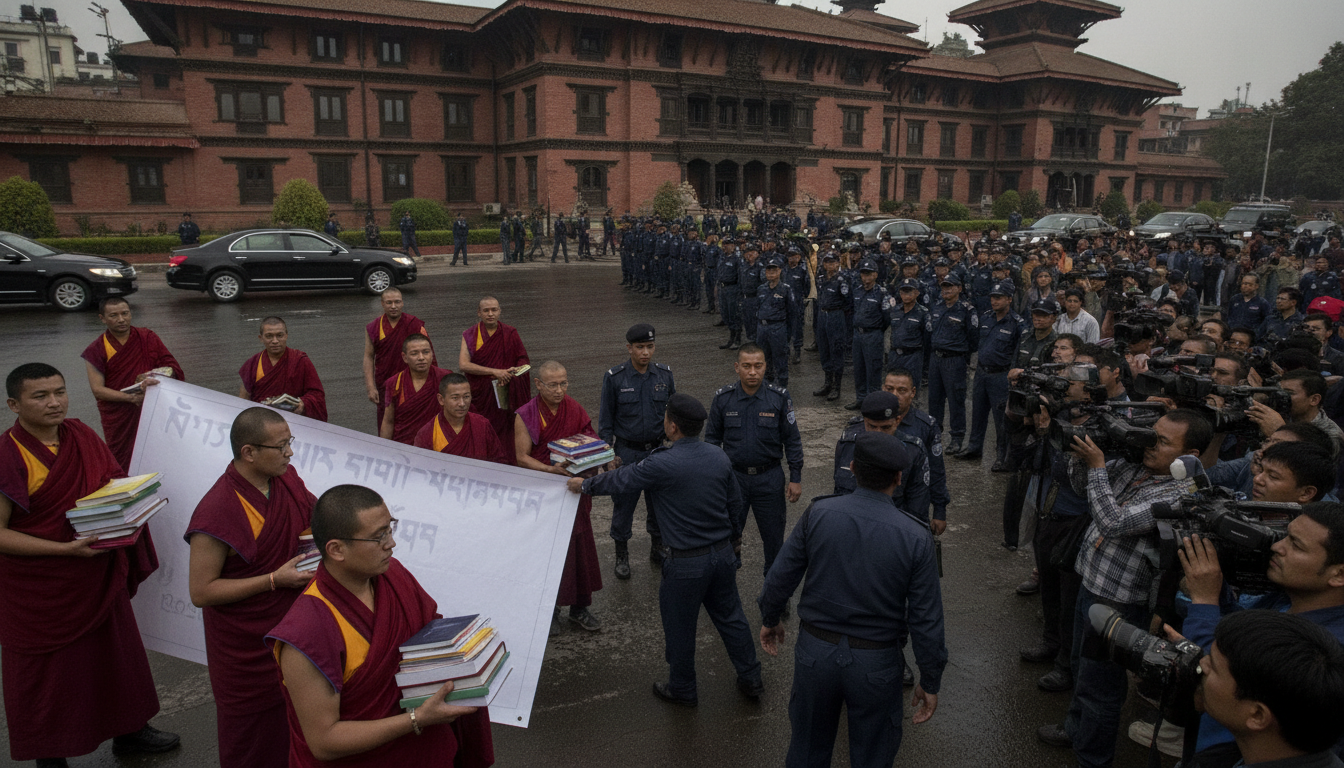
Nepal’s authorities on August 10, 2026, ordered a major Tibetan studies conference out of Kathmandu after Beijing registered objections, organizers and observers said. The decision disrupted plans for the event and prompted immediate accusations that the state had curtailed academic freedom to accommodate diplomatic sensitivities. The move drew attention from scholars, rights groups and members of Nepal’s Tibetan community, who said the incident underscores growing pressure on public life from foreign policy priorities.
Government action and official rationale
The government framed the change as a measure to preserve public order and bilateral harmony in sensitive diplomatic circumstances. Officials cited unspecified concerns raised by a foreign interlocutor, and acted to relocate or cancel parts of the program in Kathmandu. The precise nature of the objections and the full chain of decision-making were not disclosed publicly, leaving questions about legal and administrative authority exercised in the case.
China’s diplomatic pressure and context
China’s sensitivity to Tibetan-related academic activities is well documented, and Beijing’s objections to overseas conferences on Tibet have previously influenced host governments. Nepal has developed closer political and economic ties with China in recent years, deepening cooperation across infrastructure, trade and security. Analysts say that these ties can increase Beijing’s leverage over Kathmandu when events touch on topics Beijing regards as politically sensitive.
Reaction from academics and rights groups
Scholars and human rights advocates described the move as a setback for academic independence in Nepal. Organizers warned that curbing scholarly exchange on Tibet could chill research and discourage international collaboration. Several academic institutions and civil society actors called for transparency around the decision and urged the government to protect the right to host open, nonpartisan scholarly events.
Implications for Nepal-China relations
Observers said the episode illustrates the balancing act Kathmandu faces between managing relations with Beijing and upholding domestic freedoms. Nepal’s geopolitical position—bordering China and India—has long influenced policy choices, and events involving Tibetan themes have repeatedly tested that balance. The decision to act on China’s objection will likely be scrutinized by regional partners and international observers monitoring freedom of expression and academic autonomy.
Impact on the Tibetan community in Nepal
Nepal hosts a longstanding Tibetan refugee community and has historically been sensitive to activities involving exile politics and spiritual leaders. Community members expressed dismay that an academic forum on Tibetan studies was entangled with diplomatic pressures. The disruption to the conference was seen by some as another instance where political considerations override community and scholarly needs.
Organizers’ response and next steps
Organizers have not released a full timeline for relocation or rescheduling and said they are assessing legal and logistical options. Some indicated they may shift elements of the program to venues outside Kathmandu or adapt formats to preserve key scholarly exchanges. Others signaled interest in pursuing formal clarifications from government authorities about the grounds for intervening in the conference.
Scholars stressed the value of such gatherings for advancing historical, cultural and linguistic research on Tibet, as well as for fostering dialogue between researchers inside and outside the region. Many urged Kathmandu to adopt clear, principles-based rules that protect academic events from abrupt political interference.
The episode has prompted calls for clearer policy safeguards to ensure that foreign policy considerations do not unilaterally curtail research activities. Legal experts said any future interventions should be accompanied by published rationales and adherence to domestic laws that protect assembly and academic expression.
International partners and academic associations may watch how Nepal responds, as the case could set precedents for handling events on politically sensitive topics. A transparent explanation from authorities could help restore confidence among scholars and civil society in Nepal’s capacity to host independent research forums.
Overall, the forced removal of the Tibetan studies conference from Kathmandu has highlighted tensions between diplomatic relations and academic freedom in Nepal, putting pressure on the government to clarify its policies and on the international community to monitor developments closely.

