
X transparency in India reignites clash with New Delhi over online content curbs
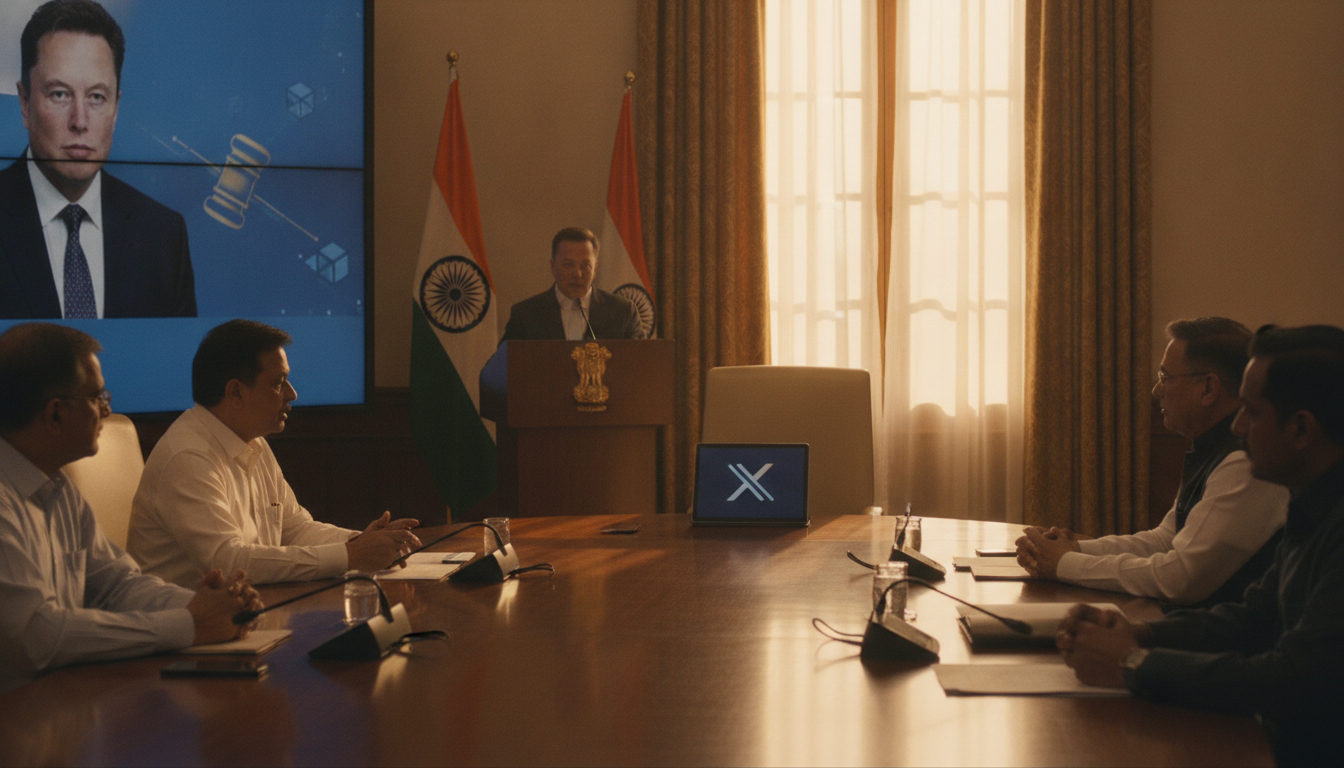
Elon Musk’s X transparency in India has reignited a clash with New Delhi as the platform published government takedown orders and rights advocates warned of rapid content removals.
India’s renewed confrontation with X began after the platform disclosed a series of government requests and content restrictions, drawing a terse response from New Delhi that technology firms must follow the law of the land. The move by X, part of an expanded transparency push by owner Elon Musk, has reopened longstanding tensions over how social media companies balance legal compliance and free speech in the world’s largest internet market.
X transparency in India sparks renewed dispute
The public release of government orders by X prompted swift pushback from Indian authorities, who said the company must respect national laws governing online content. Officials in New Delhi described the disclosures as provocative and warned that global platforms cannot pick and choose which domestic regulations to follow.
X framed the publication of takedown notices as a measure to boost accountability and inform users about state interventions on the service. The platform’s transparency initiative follows similar steps by other tech companies, but in India the practice has become politically sensitive given heightened scrutiny of digital speech.
Government stance: follow the law of the land
New Delhi reiterated that all online intermediaries operating in India are subject to local statutes and regulatory frameworks. Government spokespeople said the state has a responsibility to curb content it deems unlawful, and social media companies must implement orders within the legal process.
Authorities have signalled that non-compliance could carry legal and operational consequences, including penalties and restrictions on service providers. The government’s position underscores an ongoing theme in India’s technology policy: the priority of sovereignty and public order in internet governance.
Publication of government takedown orders by X
X’s decision to post government takedown orders and curbs on its platform was presented as a transparency measure aimed at public understanding of state demands. The disclosures included summaries of requests to remove or block material, along with explanations of the company’s responses in some cases.
Tech analysts say publishing such notices increases scrutiny of state actions and can reveal patterns in requests, including topics and frequency. However, the practice also risks escalating confrontations if authorities view disclosure as exposing sensitive enforcement steps or undermining law enforcement efforts.
Frequency of content removals raises alarm
Rights advocates responded to X’s transparency move by highlighting the scale of government intervention on social media. One freedom-of-speech campaigner cited by platform observers estimated that restrictions or takedown actions in India now occur roughly every 68 seconds, a figure that has prompted alarm among civil liberties groups.
The frequency statistic, if sustained, points to a high volume of content flagged for removal and a system in which moderation and legal enforcement intersect at scale. Advocates warn that such sustained intervention can chill public debate, prompt self-censorship by users, and strain the resources of smaller platforms and publishers.
Legal and commercial stakes for platforms and publishers
The dispute carries both legal and business implications for X and other technology companies operating in India. Compliance with local orders often requires platforms to make rapid moderation decisions while navigating competing obligations in other countries and international human rights norms.
Advertisers and media partners are watching the conflict closely, mindful that regulatory uncertainty can affect audience reach and commercial viability. For global platforms, India represents a critical market for growth, but persistent legal clashes could lead companies to reconsider policy choices or operational models specific to the country.
Responses from rights groups and the tech sector
Civil society organizations called for clearer rules and greater safeguards to protect free expression while allowing legitimate enforcement measures. Many urged independent oversight of takedown requests and better disclosure practices that do not reveal sensitive investigative material.
Industry representatives encouraged dialogue with regulators to clarify expectations and avoid fragmented rules that make compliance complex. Some technology executives said transparency is important for public trust but must be balanced against legal responsibilities and user safety across jurisdictions.
Experts note that this episode reflects a global struggle over how platforms disclose interactions with governments and how states assert control over digital spaces. The outcome in India may influence practices elsewhere, particularly in jurisdictions where social media is a battleground for politics and public information.
The clash between X and New Delhi underscores the enduring tension between platform transparency and regulatory compliance in a rapidly evolving digital ecosystem. As both sides press their cases, users, publishers, and international observers will be watching for legal clarifications and operational changes that could shape the future of online speech in India.

