
Nippon Steel Sees Early Gains One Year After U.S. Steel Acquisition, Mori Says
One year after buying U.S. Steel, Nippon Steel reports early operational gains but warns more reform is needed while U.S. workers largely back the deal.
Nippon Steel says its program to turn around U.S. Steel has produced measurable improvements since the acquisition a year ago, but company leaders insist the work is far from complete. Vice Chairman and Executive Vice President Takahiro Mori told reporters that U.S. employees generally view joining Nippon Steel as a positive development, and that management is continuing targeted reforms to strengthen operations.
One Year After the Deal: Early Gains and Remaining Work
Nippon Steel acknowledged progress across several operational areas since the takeover, describing steps that have begun to stabilize production and improve frontline morale. Company executives stress that these early signs do not yet meet the parent’s internal benchmarks for long-term performance and competitiveness.
Mori emphasized that the goal remains a sustained recovery rather than short-term fixes, and that management will press on with reforms until results match expectations. The company’s tone combined cautious optimism with a commitment to deeper structural change.
Mori Reports Positive Worker Sentiment in the U.S.
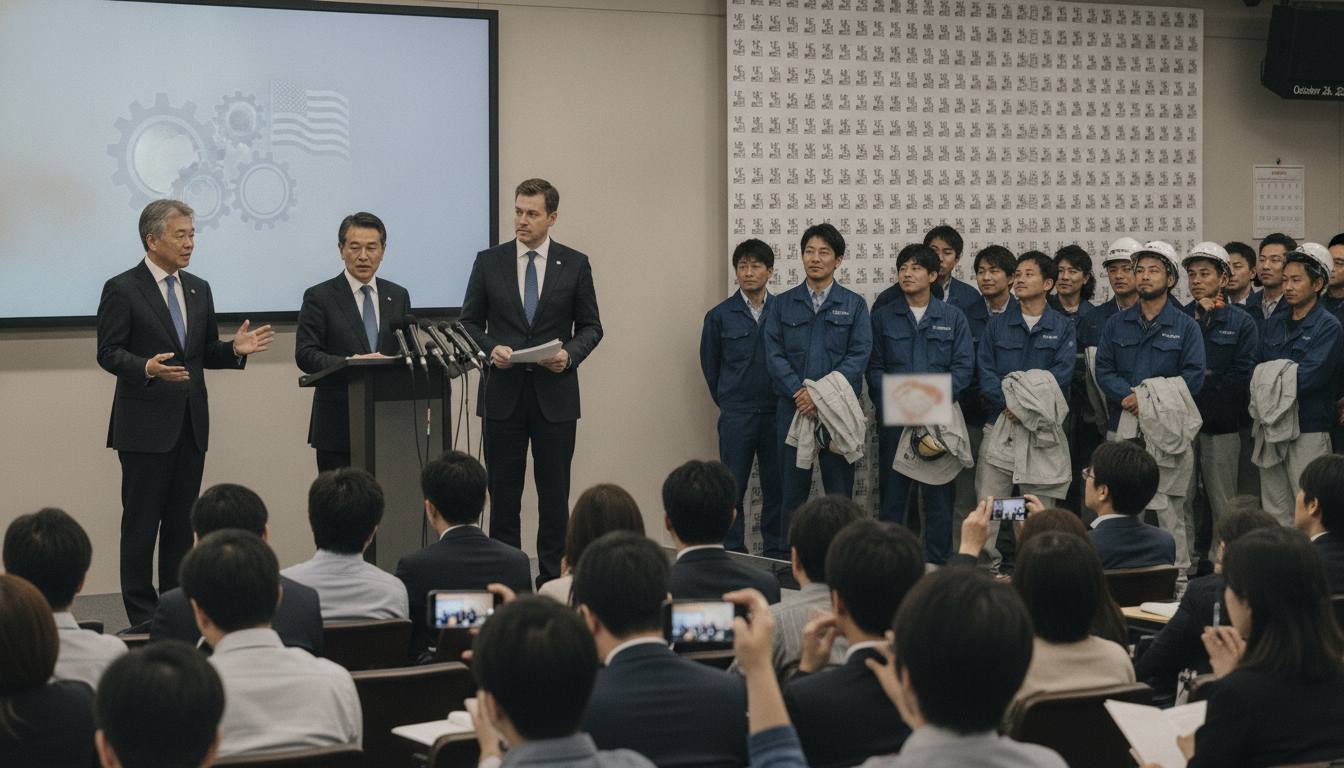
At a press conference on June 11, Mori said U.S. employees have largely welcomed the acquisition and view the new ownership as a positive for job security and workplace prospects. He described interactions with plant personnel and union representatives as constructive, noting that many workers appreciate investment and a clearer strategic direction.
Mori’s comments underscored a management priority to secure buy-in from the U.S. workforce as a foundation for longer-term operational improvements. Executives see employee support as critical to implementing productivity measures and cultural integration across the combined group.
Operational Reforms Implemented Across U.S. Assets
Since the acquisition, Nippon Steel has moved to align operational practices at the U.S. plants with its global standards, according to the company’s public statements. Efforts cited by management include streamlined maintenance scheduling, enhanced safety protocols, and renewed focus on yield and throughput at key mills.
Company officials say these changes are intended to reduce unplanned downtime and improve consistency in product quality. Management also reports progress integrating supply-chain processes, which it views as essential to capturing synergies between the two firms.
Cost Discipline and Productivity Measures Underway
Nippon Steel has highlighted cost discipline as a central pillar of its turnaround plan, implementing measures designed to tighten procurement, manage energy use, and optimize staffing levels. Mori indicated that the parent expects disciplined cost control to underpin margin recovery while management pursues revenue-enhancing initiatives.
Rather than broad workforce reductions, the company appears to be prioritizing productivity improvements and targeted investments that boost unit economics. Officials say any restructuring decisions will be tied to clear operational metrics and long-term viability.
Market and Customer Reactions to the Merger
Customers and market observers have watched the integration closely, seeking signals about supply reliability and product continuity under the new ownership. Nippon Steel’s early moves to stabilize production have been noted favorably by some buyers, who cite confidence in the parent company’s engineering capabilities and global footprint.
Analysts caution that full market effects will take longer to manifest as integration progresses and the business faces cyclical demand factors. For now, the priority for contracting customers is clarity on delivery performance and product specifications, areas where Nippon Steel is aiming to demonstrate improvement.
Leadership Roadmap and Performance Targets
Mori and other executives have described a phased roadmap for the next stage of integration, emphasizing measurable milestones rather than open-ended promises. The plan focuses on operational consistency, balance-sheet resilience, and gradual margin improvement, with management signaling a willingness to adjust tactics if targets are not met.
Company leaders say they will continue close engagement with employees, unions, suppliers and customers as part of that roadmap. The approach balances short-term fixes with investments aimed at restoring competitiveness across core U.S. assets.
Nippon Steel’s leadership frames the acquisition as a long-term strategic move that requires sustained effort to realize its full potential, and Mori reiterated that leadership remains unsatisfied until performance consistently reaches the parent’s standards. Stakeholders will be watching whether the early gains translate into durable recovery over the months ahead.

