
Nagano Mayor Says ‘Heartbroken’ as Nordic Combined Dropped from 2030 Winter Olympics
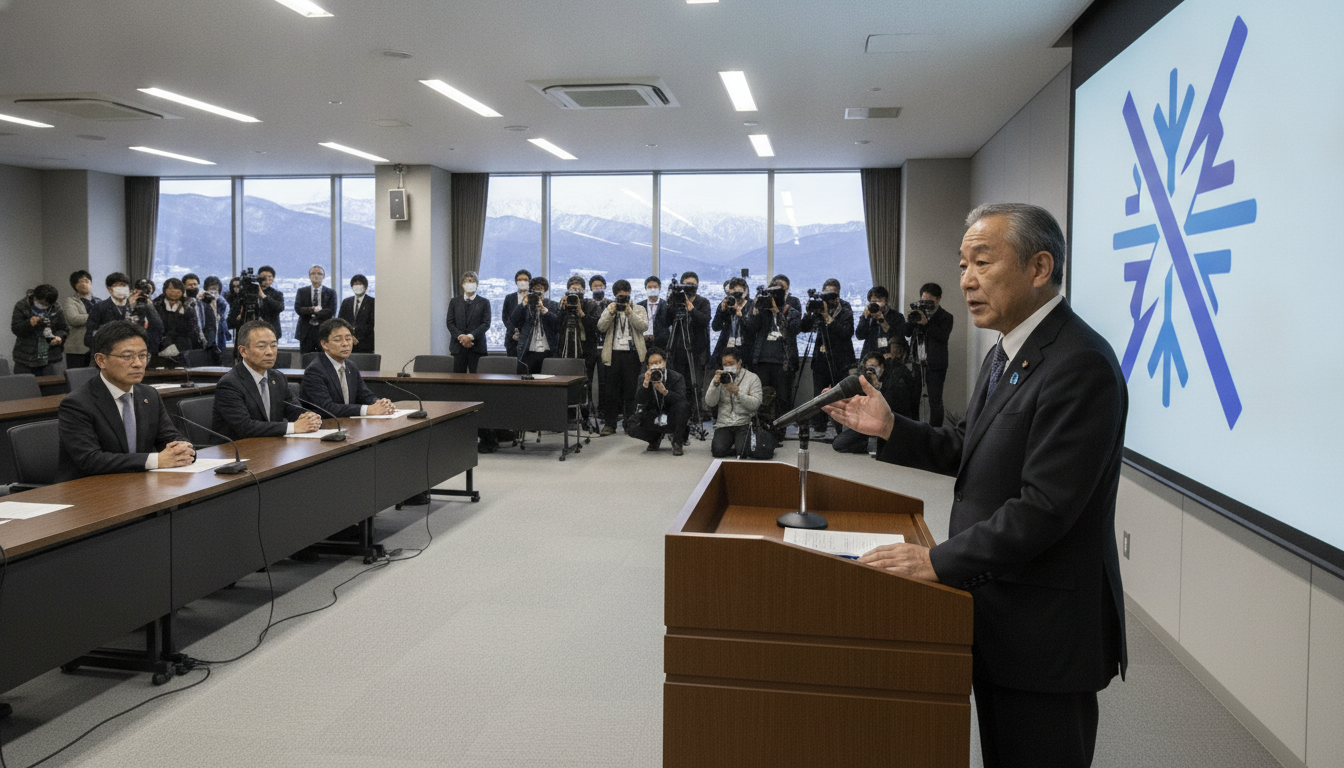
Nagano Mayor Kenji Ogiwara, a two-time Nordic combined Olympic champion, said he was “heartbroken” after the sport was left off the 2030 Winter Olympics program and called for planning toward reinstatement.
On July 8, 2026, Nagano Mayor Kenji Ogiwara expressed deep disappointment after Nordic combined was omitted from the preliminary program for the 2030 Winter Olympics. Ogiwara, 56, who won consecutive Olympic gold medals in 1992 and 1994 in Nordic combined, told reporters the decision was “heartbreaking” and underscored the emotional toll on athletes and communities connected to the sport. He said the removal erased an important stage that had driven his own training and career ambitions.
Mayor Ogiwara Reflects on Personal and Community Loss
Ogiwara framed the exclusion of Nordic combined as a personal as well as civic loss, noting the sport’s role in shaping his life and Nagano’s winter-sports identity. He recalled that having “the Olympic stage” motivated years of training and sacrifice, and that the sport’s absence will be felt acutely by former competitors and local fans alike.
The mayor emphasized that the decision diminished a tradition stretching back to the first Winter Games, and he voiced concern for young athletes who had been aspiring to compete on the Olympic stage. He called on local and national stakeholders to consider how to sustain interest and development in Nordic combined despite its omission.
Historical Roots and Significance of Nordic Combined
Nordic combined, contested since the inaugural Winter Olympics in 1924, blends ski jumping and cross-country skiing and has long been regarded as a marquee winter sport. The discipline has produced celebrated athletes and carries symbolic weight in regions where ski culture is central to local identity.
Nagano, which hosted the 1998 Winter Olympics, has deep ties to Nordic sports through facilities, clubs, and community programs that nurtured generations of athletes. The sport’s historical continuity in the Games has been a point of pride for cities like Nagano, making the 2030 exclusion especially resonant for local officials and sports organizations.
Roadmap Toward Seeking Reinstatement in 2034
Asked about prospects for reinstatement, Ogiwara urged early and coordinated planning aimed at securing Nordic combined’s return to the Olympic program by 2034. He outlined a multi-pronged approach focused on youth development, talent pipelines, and international engagement to demonstrate the sport’s global relevance.
Ogiwara said efforts should include stronger grassroots programs to attract children and adolescents to Nordic combined, improved coaching and training infrastructure, and active promotion of the sport’s contribution to international peace and goodwill. He suggested that demonstrating wider participation and sustainable development would strengthen any future case for reinstatement.
Nagano Youth Council Proposes New Olympic Bid; City Response
The mayor also addressed a separate initiative from the Nagano Junior Chamber (JC), which earlier in June published a proposal urging a renewed bid to host another Winter Olympics as early as 2038. Ogiwara acknowledged receipt of the JC’s proposal but said the city government has not adopted any formal position on rehosting at this time.
Ogiwara praised the JC for engaging with Nagano’s future but noted that any consideration of a new bid would require extensive assessment of costs, benefits and public sentiment. He cautioned that the city must weigh legacy goals against fiscal and governance responsibilities before taking a stance.
Transparency and Lessons from Past Olympic Bids
Speaking broadly about Olympic bidding and hosting, Ogiwara stressed the importance of transparency in any future pursuits, citing public concerns tied to past host-city controversies. He referenced problems that emerged from Nagano’s own 1998 bid—reported large hospitality expenditures and subsequent questions about record-keeping—and the high-profile issues surrounding the Tokyo 2020/2021 Games, including cost overruns and bribery allegations.
Ogiwara said those episodes have left a lasting impression on public trust and underscored that large-scale international events require rigorous oversight. He called for clear accountability mechanisms, open budgeting and stakeholder consultation as prerequisites for any renewed bid or major investment in winter-sports infrastructure.
Next Steps for Advocates and Local Officials
Ogiwara urged sports federations, local governments and community groups to begin immediate discussions about pathways to revitalize Nordic combined in Japan. He recommended setting short-term goals to increase participation and visibility, while also preparing a long-term case that could support appeals to international governing bodies.
The mayor signaled readiness to convene stakeholders but stopped short of committing municipal resources pending broader deliberations. He emphasized that demonstrating measurable progress in athlete development and international cooperation would be critical to any effort to bring Nordic combined back to the Olympic program.
The decision to drop Nordic combined from the 2030 Winter Olympics has prompted renewed debate over the sport’s future and how regions with deep winter-sports traditions like Nagano can preserve their heritage while meeting modern expectations for transparency and sustainability.

