
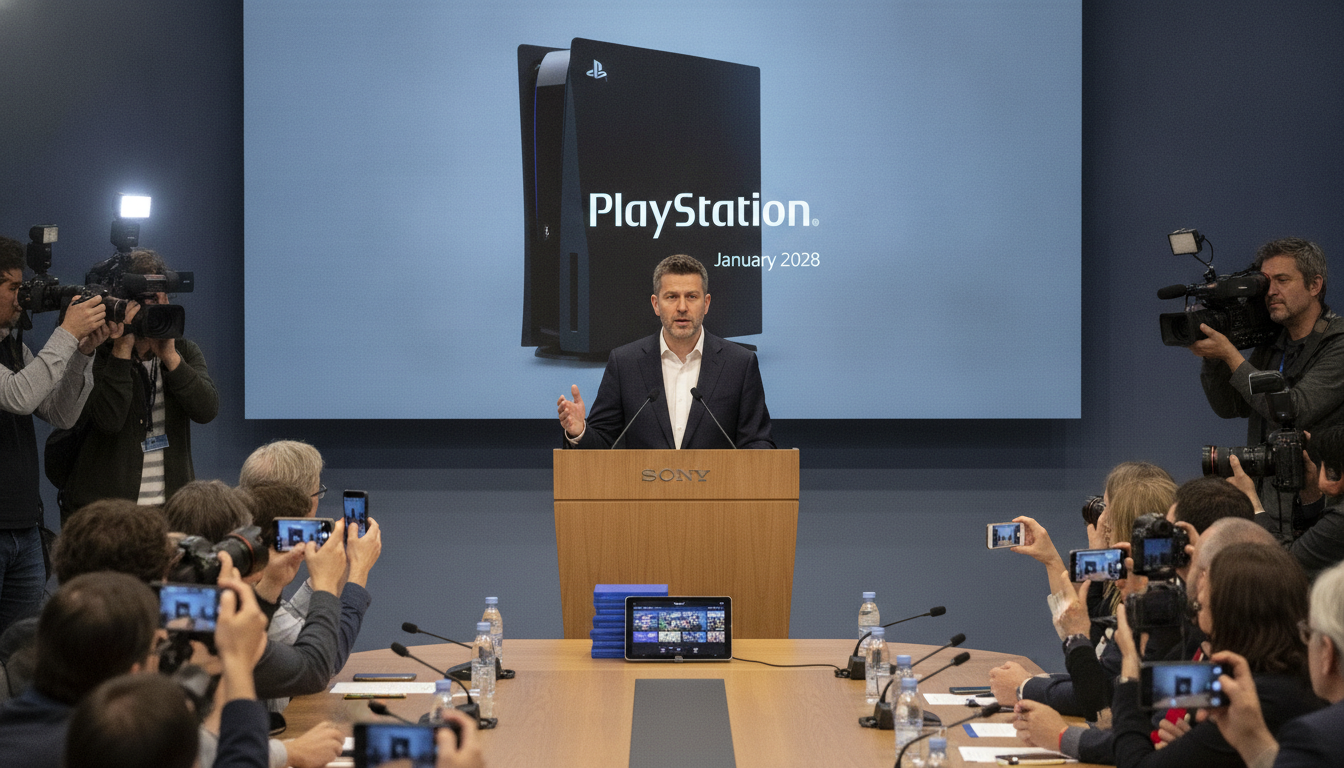
PlayStation to End Disc Releases for New Games from January 2028
Sony’s PlayStation will stop issuing physical disc releases for new titles from January 2028, shifting to download-only distribution and prompting wide industry and consumer implications.
Sony Interactive Entertainment announced on July 1, 2026 that PlayStation disc releases for new games will end from January 2028, moving future launches to download-only formats. The change, confirmed by the company’s game division, marks a major pivot in how PlayStation software will be sold and delivered. Gamers, retailers and secondary-market sellers are already weighing the practical and cultural impacts of the decision.
Company announcement and scope
Sony Interactive Entertainment (SIE) made the decision public on July 1, 2026, saying new PlayStation titles released from January 2028 onward will no longer be offered on physical discs. The company framed the move as part of a broader strategy to streamline distribution and adapt to a marketplace that increasingly favors digital purchases. SIE indicated that existing disc-based inventories and previously released titles will remain usable, but new production of retail discs will cease.
SIE did not announce plans to alter PlayStation hardware compatibility or mandate consoles without disc drives, and details on regional rollouts and exceptions were not provided in the initial statement. The company also did not furnish a timeline for halting disc manufacturing or for how long digital storefronts will support legacy disc-dependent features. Those operational specifics remain to be clarified by SIE in follow-up communications.
Timeline and affected products
The policy applies to “new” PlayStation software from January 2028, meaning titles released before that date will continue to be sold in their current formats. Major first-party and third-party publishers that release games on PlayStation platforms will be required to distribute future titles digitally in markets covered by the announcement. Physical versions of special editions or collector’s items were not explicitly addressed by SIE in the initial release.
Developers and publishers now face planning decisions around packaging, boxed memorabilia and limited-run collectibles that historically relied on disc media. Some publishers may still produce non-playable physical merchandise, such as artbooks or figurines bundled with digital codes, which could preserve a retail presence while conforming to download-only software delivery.
Retailers and the secondary market
Brick-and-mortar retailers and the second-hand games market are likely to feel immediate pressure from the move away from PlayStation disc releases. Stores that relied on boxed game sales for foot traffic will need to expand hardware, accessories, and experiential services to offset reduced software turnover. Retailers may also shift to selling digital download codes or physical merchandise bundled with codes to retain customers.
The used-game market, which depends on resales of disc-based software, could shrink significantly for PlayStation titles. Trade-in programs and preowned inventory models may need reimagining, potentially shifting toward hardware sales, accessories, or certified preowned consoles. Observers note that secondary markets for digital licenses face technical and contractual hurdles that make direct replacement of physical resale economically and legally complex.
Consumer experience and technical considerations
For players, the transition to download-only releases raises practical concerns about internet access, storage and long-term availability. Downloading large game files requires reliable broadband and ample local storage, which may pose obstacles in regions with limited connectivity or for households with capped data plans. Players who prefer physical ownership, lending, or borrowing of games will lose a familiar option.
Digital preservation and access over time are also front-of-mind issues among archival advocates and collectors. Without physical discs, maintaining playable copies decades from now depends on the longevity of digital storefronts and the company policies that govern license transfers and server support. SIE has not yet outlined archival guarantees or contingency plans to ensure long-term access to purchased digital games.
Industry context and strategic rationale
The decision comes amid a multi-year trend toward digital distribution across console and PC ecosystems, driven by faster broadband, larger storage capacities and evolving consumer habits. Platform holders and publishers have steadily increased digital sales shares, citing convenience, reduced production costs and the ability to deliver updates and day-one content seamlessly. SIE’s move aligns PlayStation with broader industry currents toward cloud services and streaming models.
Analysts say the shift may also be a cost-management measure, reducing logistics, packaging and manufacturing overhead. It could enable more dynamic pricing and promotional flexibility while freeing shelf space in retail environments for other revenue-generating products. At the same time, platform holders must balance these efficiencies against reputational and regulatory risks tied to consumer rights and market competition.
Guidance for PlayStation owners and industry stakeholders
Players and retailers are advised to plan ahead for the transition by reviewing library needs, backup options and network readiness. Consumers who value physical collections may consider preserving existing discs and hardware and exploring whether publishers will offer limited physical collector editions bundled with digital codes. Retailers should accelerate diversification strategies, such as hosting events, strengthening online storefronts, and expanding accessories and services.
Publishers and developers will need to update release roadmaps, marketing plans and production runs well before the January 2028 deadline. Clear communication with customers about digital rights management, refunds and long-term access will be critical to maintaining trust during the transition.
The coming 18 months will determine how rapidly the PlayStation ecosystem adapts to a download-first future and how stakeholders across the industry respond to the end of disc-based releases for new titles.

