
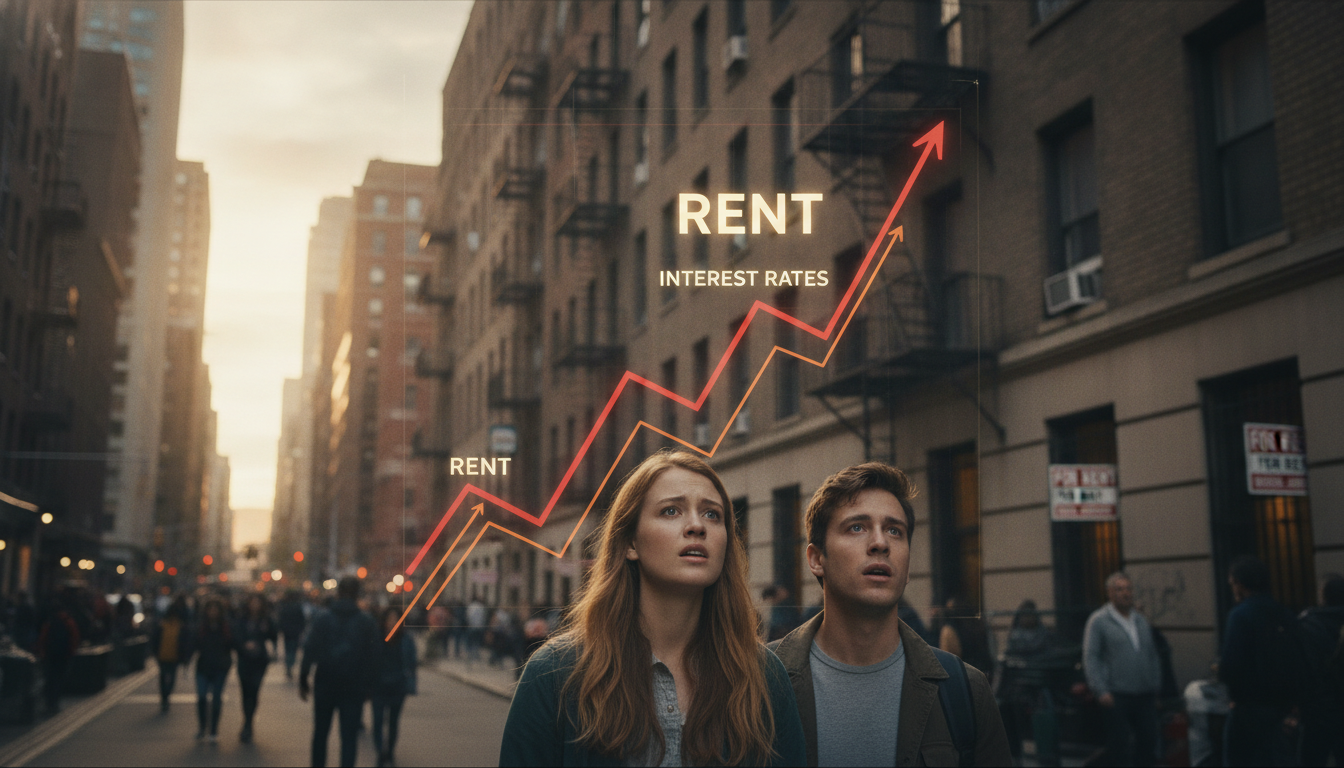
Rising Rates Push Condominium Investment into a Chain of Rent Increases in Tokyo
Higher interest rates force Tokyo condominium investment owners to raise rents, squeezing tenants and prompting calls for policy measures to ease housing costs.
Condominium investment across Tokyo is feeding a steady rise in rents as higher borrowing costs squeeze owners who financed units during the low-rate era. The trend, visible in waterfront districts and inner-city neighborhoods alike, reflects a shift in how rental housing is managed and priced. Tenants, landlords and local officials are now confronting the social and financial consequences of that shift.
Rising Borrowing Costs Push Owners to Reprice Rents
Owners who purchased condominiums as investment properties are facing sharply higher mortgage payments after years of ultra-low interest rates. As lenders adjust loan terms, many investors have responded by raising asking rents to preserve cash flow and meet debt servicing requirements. Market participants say this recalibration is creating a feedback loop that pushes broader rental markets upward.
This dynamic is most acute where purchase activity surged in the prior decade, leaving a concentration of debt-laden investors vulnerable to rate moves. Smaller landlords with limited reserves are particularly exposed and often transfer increases directly to tenants. The result is a chain reaction of rent adjustments that extends beyond individual buildings.
Investors Treating Rentals as Financial Assets
The rise of institutional and retail condominium investment has turned many rental units into yield-seeking assets rather than long-term housing. Portfolio managers and individual buyers alike have applied financial metrics to residential properties, emphasizing cash-on-cash returns and capital appreciation. That approach makes rent a lever to restore investor return targets when financing costs rise.
Real estate advisors note that this shift intensified after prolonged low rates encouraged leveraged purchases, and productization of rentals—through funds and online platforms—has normalized a profit-driven mindset. While this has expanded supply in some segments, it has also detached rent-setting from traditional landlord-tenant relationships based on long-term residency.
Impact on Tenants Across Tokyo Waterfront and Beyond
For renters, the escalation in condominium investment rent-setting has translated into steeper monthly housing costs, especially in neighborhoods with high investor ownership. Households on fixed or modest incomes report narrowing budgets as rent consumes a larger share of monthly expenses. Younger renters and single-person households are among those feeling the most immediate pressure.
Social service organizations and tenant groups warn that sustained rent growth could accelerate displacement from central wards and push demand to already strained suburbs. The cumulative effect risks increasing commuting burdens and worsening affordability for essential workers whose services underpin urban life.
Landlord Strategies and Market Adjustments
Faced with higher costs, landlords are adopting varied strategies beyond direct rent hikes to shore up returns. Some are reconfiguring units into smaller or more marketable layouts, while others are adding short-term leasing or furnished options to capture premium rates. A growing number of owners are also passing common-area maintenance and management fees onto tenants in clearer, sometimes aggressive, contractual terms.
At the same time, market signals are prompting corrections: prospective buyers are becoming more cautious, and sales of investment units have increased in pockets where yields are squeezed. Mortgage advisors expect underwriting standards to tighten further, which could slow new purchases and eventually reduce upward pressure on rents.
Policy Responses and Industry Warnings
Local governments and housing advocates are pressing policymakers to consider measures that mitigate the burden on tenants without unduly disrupting investment markets. Proposed responses range from targeted subsidies and rent relief for vulnerable households to tighter disclosure requirements for investor-owned properties. Officials caution that blunt interventions could reduce housing supply or discourage necessary renovations.
Industry groups urge a balanced approach, noting that capital investment sustains building upkeep and renovation but acknowledging the need for safeguards to protect low-income renters. Analysts advise close monitoring of eviction rates, vacancy trends and lending conditions to inform calibrated policy choices.
Outlook for Condominium Investment and Renters
The interplay between higher interest rates and condominium investment is likely to remain a defining feature of Tokyo’s housing market in the near term. If borrowing costs stabilize at elevated levels, market participants expect a gradual realignment that could temper rent growth as investor demand cools. Conversely, continued rate volatility would sustain pressure on owners to seek rent increases or alternative revenue streams.
How policymakers, lenders and the housing industry respond will shape whether the current cycle becomes a prolonged affordability crisis or a shorter-term correction. For many renters, the immediate months ahead will determine whether they can absorb increased housing costs or must relocate in search of more affordable options.
The evolving situation underscores the wider challenge of aligning financialized investment practices with the social need for stable, affordable housing in a major global city.

