
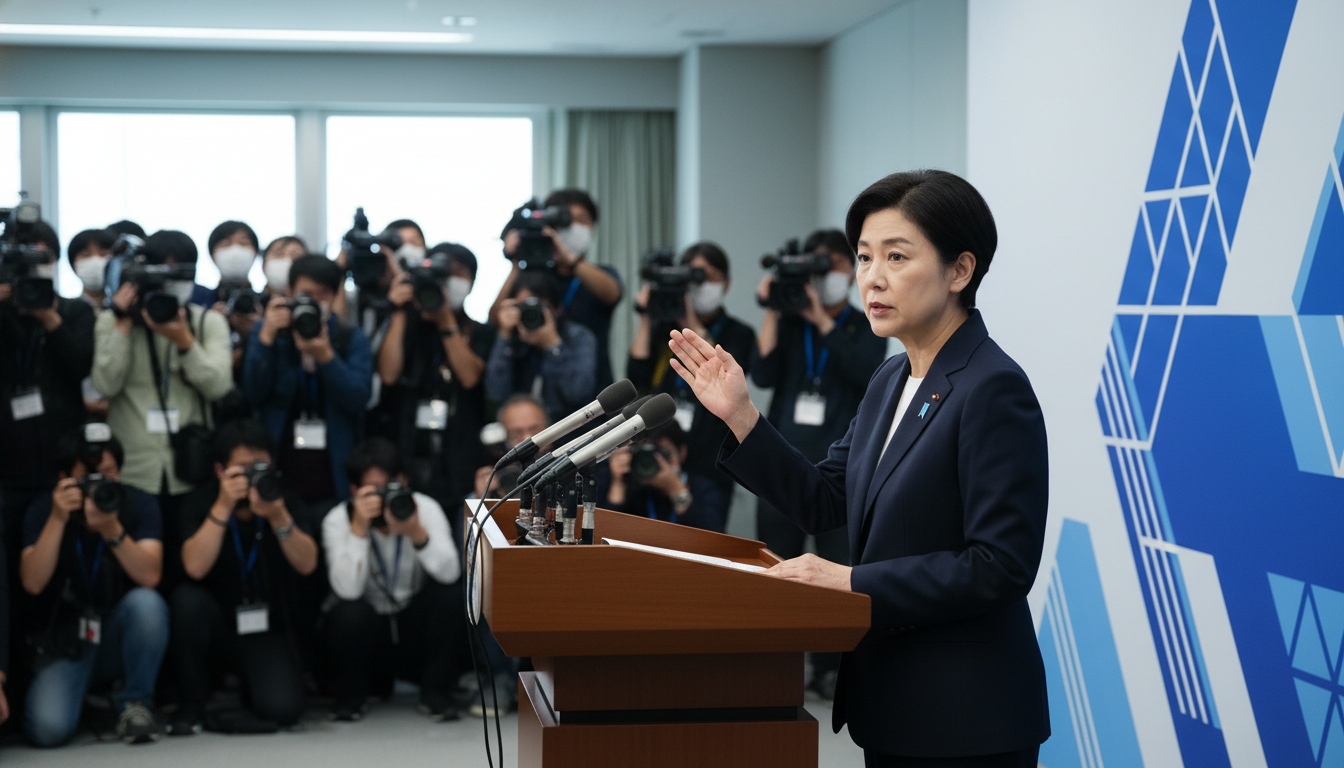
Prime Minister Takaichi Sanae Denies Campaign Created Negative Videos in Last Year’s LDP Leadership Race
Prime Minister Takaichi Sanae denied on May 8, 2026 that her campaign produced negative videos or posted defamatory content about rival candidates during last year’s Liberal Democratic Party leadership race. She told the House of Councillors that her office had checked with staff and received reports confirming no creation or dissemination of negative material beyond authorized accounts. The statement came in response to questions raised after a magazine report alleged campaign-produced smear videos.
Prime Minister’s Account to the Upper House
On May 8, 2026, Prime Minister Takaichi Sanae answered questions in the House of Councillors plenary session regarding the allegations. She said she had asked her office to confirm whether staff had engaged in posting negative information or producing videos targeting other candidates. According to the prime minister, her staff reported that such activities — including creating negative videos — were not carried out by her office.
The prime minister also clarified that posts from an account operated by her official office did occur during both the LDP leadership contest last year and the general election in February 2026. She emphasized that activity was limited to the accounts run directly by her office and denied any use of other anonymous or external accounts to distribute defamatory material.
Scope of Campaign Social Media Activity
Takaichi acknowledged that the campaign used social media accounts managed by her office to communicate policy positions and campaign messages. She made a distinction between authorized office accounts and other accounts, saying no postings aimed at disparaging rivals were made from office-managed channels. The clarification was presented to counter the specific claim that campaign operatives produced and circulated "negative videos" targeting other leadership contenders.
Campaign officials, she said, are responsible for maintaining transparency in official communications and the office has records of posts made from the accounts it controls. The prime minister’s response suggested an attempt to limit political fallout by framing the issue as controlled, official outreach rather than covert smear tactics.
Opposition’s Questions and Parliamentary Exchange
Members of the Constitutional Democratic Party pressed the prime minister for more detail about internal oversight and whether any contractors or third parties had been engaged to produce campaign content. Opposition lawmakers raised concerns about accountability and the potential use of unofficial channels to influence public perception. The exchange reflected heightened scrutiny in the Diet over digital campaign practices and the use of social media in political contests.
Opposition parties also sought documentary evidence or logs to corroborate the prime minister’s account, asking whether the office would make records available to parliamentary committees or a formal inquiry. The government response stopped short of offering an independent audit or releasing detailed account histories during the session.
Background: Weekly Bunshun’s Allegations
The controversy follows a report in a weekly magazine that alleged the Takaichi campaign had produced videos that attacked rival candidates during last year’s LDP leadership contest. The report named no specific individuals inside the office in the prime minister’s public response, but it prompted questions about campaign tactics and internal supervision. Media reporting of the allegation prompted parliamentary questioning and a defensive statement from the prime minister’s office.
The magazine’s coverage has become a focal point in broader debates about media accountability and the role of investigative reporting in uncovering possible misconduct in political campaigns. The prime minister’s categorical denial aims to blunt the report’s political impact while avoiding direct legal claims against the publication.
Investigations and Office Response
Takaichi said her office had conducted internal checks with staff and reported the findings directly to her, asserting there was no evidence of staff-produced defamatory videos. She indicated that the office would continue to monitor social media activity tied to official accounts and reiterated that unauthorized use of other accounts was not part of the campaign’s operations. Her statement did not address whether external vendors or freelance content creators had been approached during the leadership race.
Opposition lawmakers and some media analysts have called for clearer disclosure of campaign spending and contracts that could reveal whether outside groups were enlisted to shape election narratives. The prime minister’s office has not announced any intention to release vendor lists or detailed logs beyond its verbal confirmation to lawmakers.
Political Ramifications Ahead of Upcoming Debates
The dispute places renewed attention on digital campaign conduct as political parties prepare for future electoral contests and public debates. For Prime Minister Takaichi Sanae, the immediate aim will be to contain reputational damage and demonstrate administrative control over campaign communications. The episode underscores growing parliamentary focus on social media transparency and the mechanics of modern political messaging.
How the opposition leverages the magazine’s report and the prime minister’s response may influence scrutiny of campaign regulations and calls for stricter oversight. Observers say the episode could prompt legislative discussions about disclosure requirements and the policing of anonymous online political activity.
The prime minister’s denial in the House of Councillors on May 8, 2026 leaves the central allegation disputed but not independently resolved. As lawmakers push for more documentation, the government faces pressure to provide concrete records or submit to a formal review to settle questions about whether negative videos were produced or distributed in connection with the Takaichi campaign.

