
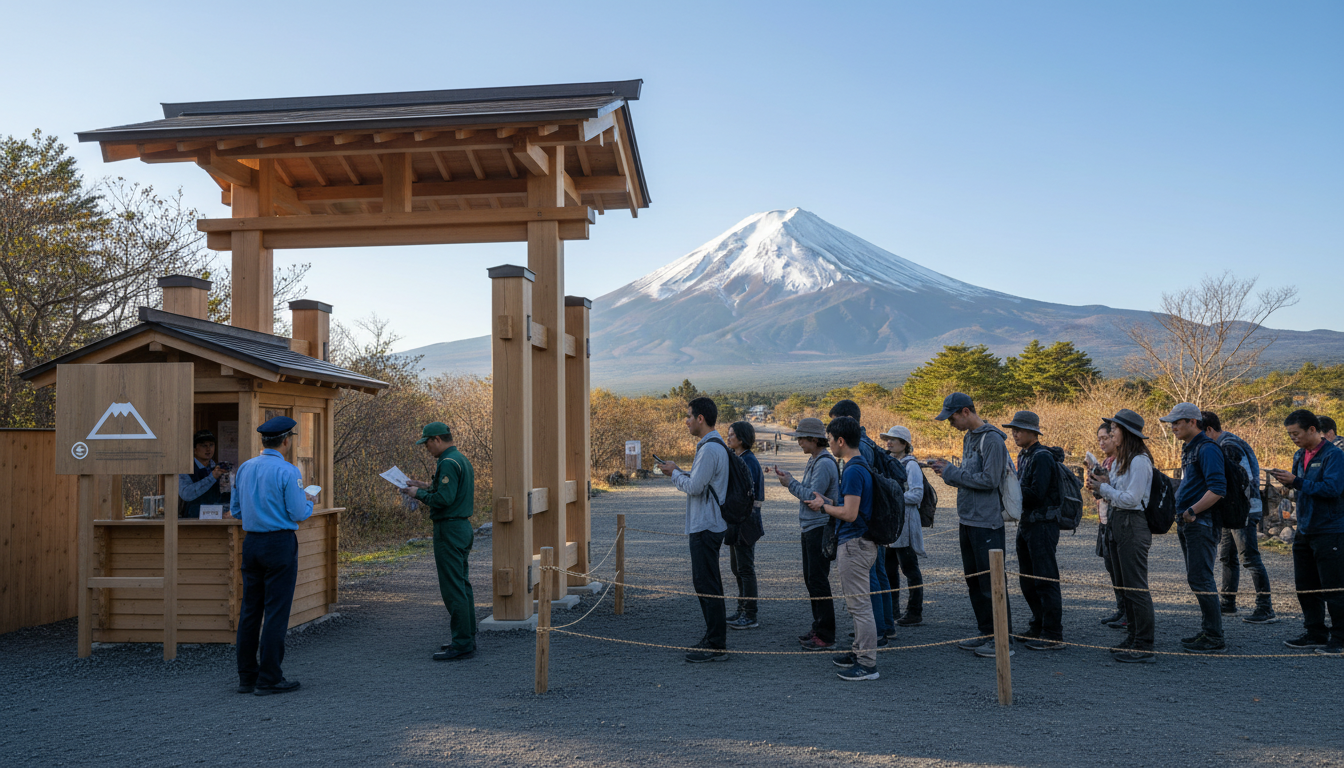
Mt. Fuji reservations expand as Yamanashi and Shizuoka require bookings ahead of July opening
Japan’s Mt. Fuji reservations system grows as Yamanashi began taking bookings and Shizuoka schedules reservations from May 8, 2026, ahead of the July climbing season.
Prefectures enforce reservations for all trails
Yamanashi Prefecture began accepting Mt. Fuji reservations on April 27, 2026, and Shizuoka Prefecture is set to start taking bookings on May 8, 2026, officials confirmed. The move continues a policy introduced last year that requires climbers to reserve trail access and comply with designated safety rules. Entry fees and an education component remain part of the process intended to control numbers and improve safety on the mountain.
Entry fees, app registration and hut rules remain in force
Climbers using the Shizuoka-managed routes must register via an official app, complete a pre-climb briefing on rules and pay a ¥4,000 entry fee, prefectural authorities said. Those planning to enter the mountain between 2 p.m. and 3 a.m. are required to reserve a space at a mountain hut for overnight stays. Yamanashi, which had already tightened access in 2024, also charges a ¥4,000 entry fee after its earlier fee increase.
Overnight “bullet” climbs decline, safety indicators improve
The stricter regime has coincided with a sharp fall in so-called bullet climbers who ascend overnight without proper lodging, officials reported. Shizuoka prefectural police recorded 36 people stranded on the prefecture’s side during the 2025 season, a decline of 28 from the prior year. Deaths and missing-person cases also fell from six to zero, authorities said, suggesting improved outcomes as regulations and pre-climb education take effect.
Trail-specific visitor drops and training runners affected
Not all trails have seen the same recovery in visitor numbers following the introduction of fees and reservations. The Gotemba Trail in Shizuoka experienced an approximately 50 percent drop in climbers year on year, a decline attributed in part to trail runners who previously used the route for frequent training. Operators and officials say the fee structure has deterred some repeat visitors and lower-cost users, reshaping the profile of seasonal traffic.
Families and children face higher costs; fee review planned
The new system has had a notable impact on family groups, mountain lodge operators reported in a post-season review. A family of four faces ¥16,000 in entry fees, and several huts indicated they received only one or two family reservations during the 2025 season. In response, Shizuoka prefectural officials plan to survey the ages of climbers this season and are considering waiving or reducing entry fees for children outside of organized school events to lessen the financial burden on families.
Opening dates adjusted to reduce congestion at key junctions
Shizuoka has shifted the opening date for the Subashiri Trail to July 1, 2026, while setting July 10, 2026, for its other two trails, a departure from the usual staggered schedule. Near the summit the Subashiri Trail merges with the Yoshida Trail in Yamanashi, which accounts for approximately 60 percent of climbers, and the adjusted opening aims to limit unintended crossings and early-season foot traffic. Officials said aligning opening dates should also help mountain huts on the Subashiri route shelter climbers caught in sudden adverse weather.
Local lodges and experts urge sustainable incentives
Operators at mountain lodges stressed the operational benefits of synchronized openings, saying huts will be better prepared to accept climbers who need shelter from sudden storms or high winds early in the season. Chiharu Yoneyama, representing a fifth-station lodge on the Subashiri Trail, noted that coordinated dates improve safety logistics and allow lodges to plan staffing and supplies. Tourism experts, including Ryo Nishikawa of Rikkyo University, argued that incentives are needed to attract repeat visitors and younger climbers, and that carefully targeted reductions for children would help preserve Mt. Fuji’s accessibility for future generations.
Reservations and regulated entry will remain central pillars of prefectural policy when the official climbing season runs from July through September. Both Yamanashi and Shizuoka say they will continue monitoring visitor trends, safety metrics and the socioeconomic effects of fees, while urging climbers to book in advance, follow rules and plan overnight lodging as required.

