
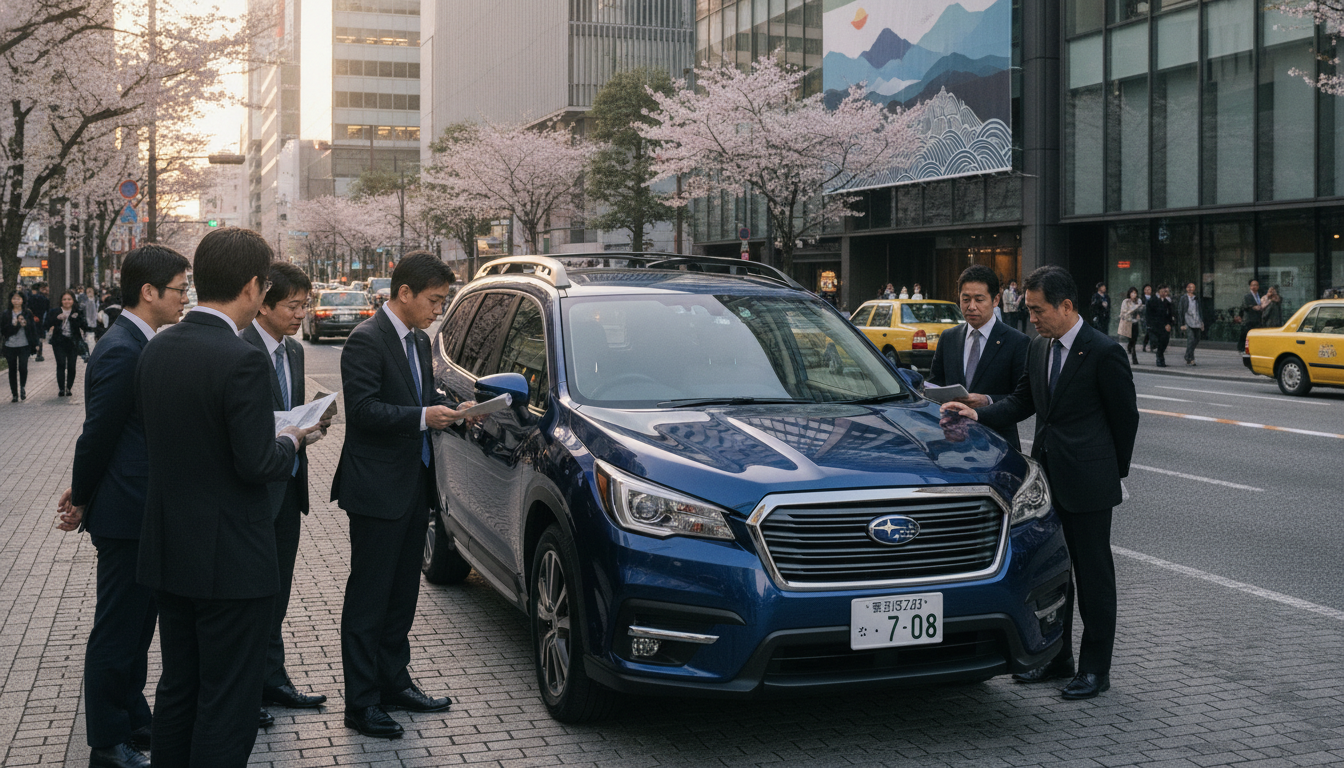
Subaru Ascent Poised for Japanese Debut, Company Eyes Second Half of 2026
Subaru will introduce the Subaru Ascent in Japan in the second half of 2026, using simplified certification to bring the large SUV into the domestic lineup.
Subaru confirms consideration of Ascent for Japan
Subaru said on Saturday, June 6, 2026, that it is considering offering the Subaru Ascent in the Japanese market as early as the second half of 2026. The company described the move as part of a broader effort to expand its domestic SUV range and respond to evolving consumer preferences. The announcement follows internal deliberations about supply, certification and product positioning within Subaru’s existing lineup.
The decision to study a domestic launch reflects rising interest in larger crossovers among Japanese buyers. Subaru emphasized that final timing and specifications will depend on certification outcomes and market demand projections. The company did not provide firm launch dates or pricing at the time of the statement.
Targeted timing and certification pathway
Subaru is targeting the second half of 2026 for a possible introduction of the Ascent, subject to regulatory clearance and logistical planning. Officials said that simplified certification procedures recently adopted for certain reverse-import models have narrowed hurdles that previously delayed or deterred such launches. Those streamlined rules could allow Subaru to complete necessary approvals more quickly than under older processes.
The company also flagged that production and shipment plans will be coordinated with its global manufacturing footprint to ensure steady supply. Subaru did not specify whether units for Japan would be produced domestically or imported from overseas plants, but company representatives indicated both options remain under review. Inventory allocation will be influenced by demand in North America and other established markets where the Ascent currently competes.
Model positioning within Subaru’s lineup
The Ascent is described by Subaru as the largest model in its current global lineup, a status that shapes how it might be marketed in Japan. Bringing the Ascent to domestic showrooms would expand Subaru’s three-row offerings and create a new option for families seeking larger cabin space and cargo capacity. The company plans to position the model alongside its existing SUV range while preserving clarity among dealer sales channels.
Subaru faces a task of differentiating the Ascent’s attributes from those of other models, particularly to justify its place in a crowded crossover segment. Officials signaled that equipment levels, optional packages and aftersales support will be calibrated to Japanese market expectations. How Subaru prices the Ascent will be crucial to its competitiveness against both domestic rivals and imported rivals already present in Japan.
How simplified reverse-import rules affect automakers
The move to consider a reverse import — bringing a model that has been sold abroad back to Japan — follows regulatory adjustments intended to simplify certification for certain overseas-developed vehicles. Industry sources say those procedural changes reduce duplicate testing and paperwork while maintaining safety and emissions standards. For automakers such as Subaru, that creates an incentive to evaluate additional models for the domestic market.
Manufacturers cautious about entering new segments now face lower administrative barriers for adapting global models to Japan’s regulatory environment. This means more global nameplates could appear in domestic showrooms in the months ahead, altering product mixes and intensifying competition. Observers expect dealers to adapt marketing and service programs to handle the influx of larger, import-sourced SUVs.
Market implications and consumer response
The potential arrival of the Subaru Ascent may reshape buyer choices in the larger SUV segment, where demand for versatile family vehicles has shown steady interest. Consumers who prioritize space and a commanding driving position could find the Ascent attractive, particularly if Subaru aligns features and pricing with local needs. Analysts note that success will depend on Subaru’s ability to offer a compelling value proposition compared with established three-row rivals.
Dealers sampled by industry observers say they anticipate consumer interest but stress the need for clear communications on fuel economy, dimensions, and certification compliance. After-sales support, parts availability and certified servicing will also factor heavily into purchase decisions for larger imported models. Subaru’s reputation for safety and AWD capability may support uptake if those strengths are emphasized in the Ascent’s domestic presentation.
Next steps for launch planning and dealer preparation
Subaru has indicated that further announcements will follow as certification progresses and planning solidifies with production partners. The company expects to provide detailed specifications, warranty terms and introductory pricing once approvals are secured and market testing concludes. Dealer networks have been briefed to begin preliminary preparations for display, staffing and potential training on the Ascent’s systems.
For consumers, Subaru recommends monitoring official dealer channels and company statements for definitive launch information and reservation policies. The firm also reiterated that any timetable remains conditional on regulatory clearance and supply considerations, and that it will act to align domestic introductions with broader strategic priorities. If the plan proceeds, the Ascent would mark a notable expansion of Subaru’s footprint in Japan’s SUV market.
If finalized, the Subaru Ascent’s debut in Japan will be closely watched by industry participants, consumers and competitors alike as a test case for the impact of streamlined certification on reverse imports and product diversity in the domestic auto sector.

