
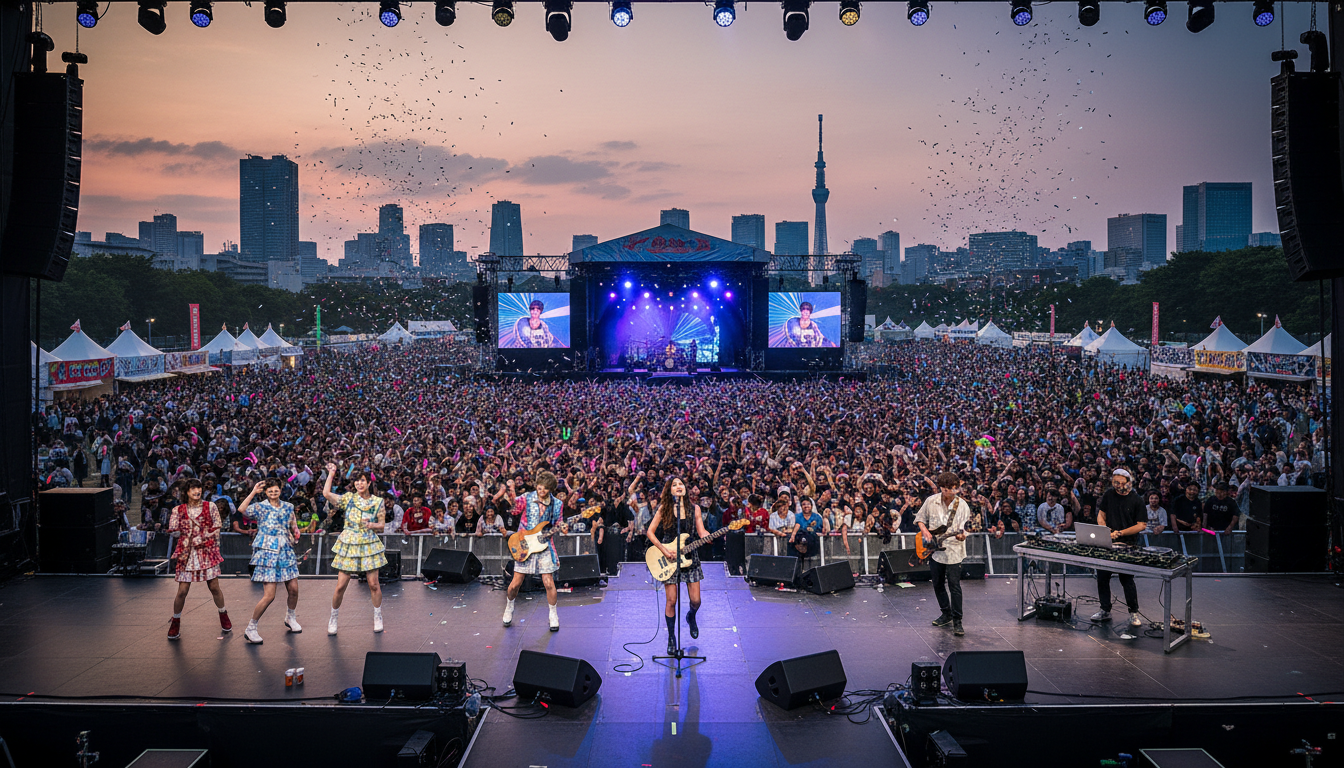
Summer Sonic festival remains Japan’s unmissable summer music showcase
Summer Sonic festival brings international headliners and Japan’s top acts to twin-city stages in Tokyo and Osaka each summer, offering an eclectic mix of genres for local and visiting music fans.
Japan’s Summer Sonic festival is an annual music event that stages simultaneous shows in Tokyo and Osaka, drawing both international headliners and domestic talent across rock, pop, electronic, and alternative scenes. The Summer Sonic festival has become synonymous with summer in Japan by combining large outdoor arenas and city-center stages to accommodate diverse audiences and musical tastes. Promoters and city partners have refined logistics over successive editions, making the event a central fixture in Japan’s live music calendar and a major draw for tourists and domestic festivalgoers alike.
Summer Sonic’s two-city format in Tokyo and Osaka
Summer Sonic operates across two host cities at the same time with mirrored lineups on alternating days, allowing artists and attendees to choose the site that best fits their schedule and travel plans. The dual-city format stretches production capacity and maximizes artist availability while giving regional audiences easier access to headline acts without long-distance travel. Organizers typically schedule Tokyo and Osaka weekends close together so that international touring acts can perform at both locations with minimal transit. That structure contributes to Summer Sonic’s reputation as one of Asia’s most logistically sophisticated mainstream festivals.
Programming blends global headliners with Japanese acts
The Summer Sonic festival programming intentionally mixes international headliners with Japan’s leading and emerging artists to reflect both global trends and local tastes. Booking teams curate lineups that span stadium rock, electronic dance music, indie bands, hip hop, and J-pop to ensure something for every listener. This blend allows younger domestic artists to perform alongside established international names, creating visibility and collaboration opportunities that enrich Japan’s music ecosystem. Dedicated stages for electronic and experimental performers further showcase the festival’s commitment to musical variety.
Venues and on-site facilities across both cities
In Tokyo the festival has traditionally used large waterfront parks and purpose-built stages that accommodate tens of thousands of attendees, while Osaka editions utilize sprawling event sites close to major transport hubs for easy access. On-site facilities include multiple main stages, smaller showcase tents, food and beverage zones, merchandise areas, and clearly marked first aid and information points. Production teams commonly install digital signboards and multilingual staff to assist international visitors with timetables and venue navigation. Accessibility measures such as dedicated viewing platforms are increasingly standard to welcome attendees with mobility needs.
Ticketing tiers and travel planning for attendees
Ticket options for Summer Sonic festival typically range from single-day passes to full weekend packages and VIP experiences that include early entry or dedicated viewing areas. Advance purchase is strongly recommended since popular headliners can sell out quickly and smaller-ticket allotments can vanish within hours of release. Attendees traveling between Tokyo and Osaka should plan transport in advance by reserving Shinkansen seats or checking affordable overnight bus services on busy dates. Local authorities and event operators often publish transportation advisories ahead of the festival, and checking those notices is a practical step for both domestic and international visitors.
Economic benefits and cultural impact on host cities
Summer Sonic festival generates measurable economic activity for Tokyo and Osaka through ticket sales, hotel bookings, food and retail spending, and ancillary tourism. Local businesses, from restaurants to convenience stores, report increased customer traffic during festival weekends, and cultural institutions sometimes leverage the influx of visitors for related exhibitions and late-night programming. On a cultural level the festival provides a platform for cross-cultural exchange, advancing Japan’s profile as a hub for international touring artists and helping to sustain domestic live-music infrastructure. Municipal authorities generally view the event as a strategic asset in the summer events calendar.
Artist logistics and production scale
Managing international and domestic artist schedules requires tight coordination between promoters, routing agents, and production crews to ensure smooth transfers between Tokyo and Osaka. Staging for headliners involves large-scale rigging, advanced sound and lighting systems, and technical crews experienced in rapid load-ins and strike schedules. Backstage areas are arranged to prioritize artist privacy and efficient movement, while production teams follow rigorous safety protocols. The scale of Summer Sonic production demands a blend of concert touring expertise and local operational knowledge, which contributes to the reliability and polish of each edition.
Safety measures and attendee code of conduct
Event organizers and local authorities emphasize safety through visible security personnel, medical stations, and crowd management plans designed to prevent congestion at entrances and main thoroughfares. Attendee guidelines typically cover prohibited items, re-entry rules, and behavior expectations to maintain a safe environment for families and all age groups. Emergency response plans are coordinated with municipal services so that medical or public-safety incidents can be handled swiftly and effectively. Organizers also encourage responsible drinking and hydration, particularly during hot summer days, to reduce heat-related risks.
Local travel and accommodation strategies
Securing accommodation early is a practical step for those attending the Summer Sonic festival, since nearby hotels and guesthouses often reach capacity during festival weekends. Many visitors opt to base themselves in central neighborhoods with strong transport links to both festival sites and city attractions. For those planning same-day travel between Tokyo and Osaka, reserving rail tickets ahead of time reduces stress and ensures seating on busy trains. Low-cost carriers and bus services provide alternative travel options for budget-conscious attendees, while ride-sharing and taxi services are available for late-night returns in urban centers.
Food, drink and onsite amenities for diverse tastes
Food and drink offerings at Summer Sonic festival aim to reflect local culinary variety and international palate preferences, with stalls serving Japanese favorites alongside global festival cuisine. Organizers increasingly partner with local vendors and food trucks to provide high-quality, diverse options that accommodate dietary needs such as vegetarian or halal choices. Cashless payment methods have become more common on-site to streamline transactions and reduce queue times. Rest areas and shaded zones are typically provided so attendees can rest between performances and avoid prolonged exposure to sun.
How Summer Sonic supports emerging Japanese artists
Summer Sonic festival often includes designated stages and time slots for rising Japanese artists, giving them exposure to larger audiences and industry professionals. Inclusion in a Summer Sonic lineup can accelerate a domestic act’s profile through media coverage and word-of-mouth among festivalgoers. The festival’s showcase format also encourages collaboration between guest artists and local performers, which can lead to cross-border projects and touring opportunities. For artists, the event provides a practical platform to test new material in front of diverse crowds and to gain experience performing on major stages.
Sustainability initiatives and environmental considerations
In recent editions, event organizers have taken steps to reduce environmental impact by promoting recycling programs, reducing single-use plastics, and encouraging public transport usage. Waste separation stations and volunteer teams help manage litter and compostable materials across venue grounds. Some festivals offer incentives for attendees who arrive by train or use reusable water bottles to minimize carbon footprints. While large-scale outdoor events pose environmental challenges, deliberate sustainability measures help mitigate impacts and set an example for best practices in festival management.
Ticket day strategies and avoiding common pitfalls
Purchasing tickets through official outlets and verifying entry requirements are essential steps to avoid disappointment on the day of the event. Many attendees benefit from checking act times and planning a schedule to avoid conflicts between must-see artists performing on different stages. Arriving early allows festivalgoers to navigate security lines and secure favorable viewing positions, especially for headline performances. It is also prudent to carry basic supplies such as sunscreen, a portable phone charger, and a small umbrella in case of sudden weather changes.
Summer Sonic’s place in Japan’s broader festival calendar
Summer Sonic festival occupies a prominent position among Japan’s summer music events and is often scheduled alongside other prominent festivals and city celebrations. Its combination of international acts and domestic talent helps to set seasonal expectations for touring schedules in the Asia region. For music fans, Summer Sonic offers a concentrated weekend of high-profile performances that can serve as a cultural anchor for summer travel plans. The festival’s steady presence has contributed to the evolution of Japan’s live-music scene and continues to attract both seasoned festivalgoers and new audiences.
Summer Sonic festival has established itself as a defining feature of Japan’s summer cultural landscape, combining an ambitious twin-city format with diverse programming and professional production standards. Attendees who plan ahead for tickets, travel, and on-site needs consistently report better experiences, and local economies benefit from the influx of visitors. Whether seeking major international headliners or discovering emerging Japanese talent, Summer Sonic provides a comprehensive musical experience that captures the energy of Japan’s summer season.

