
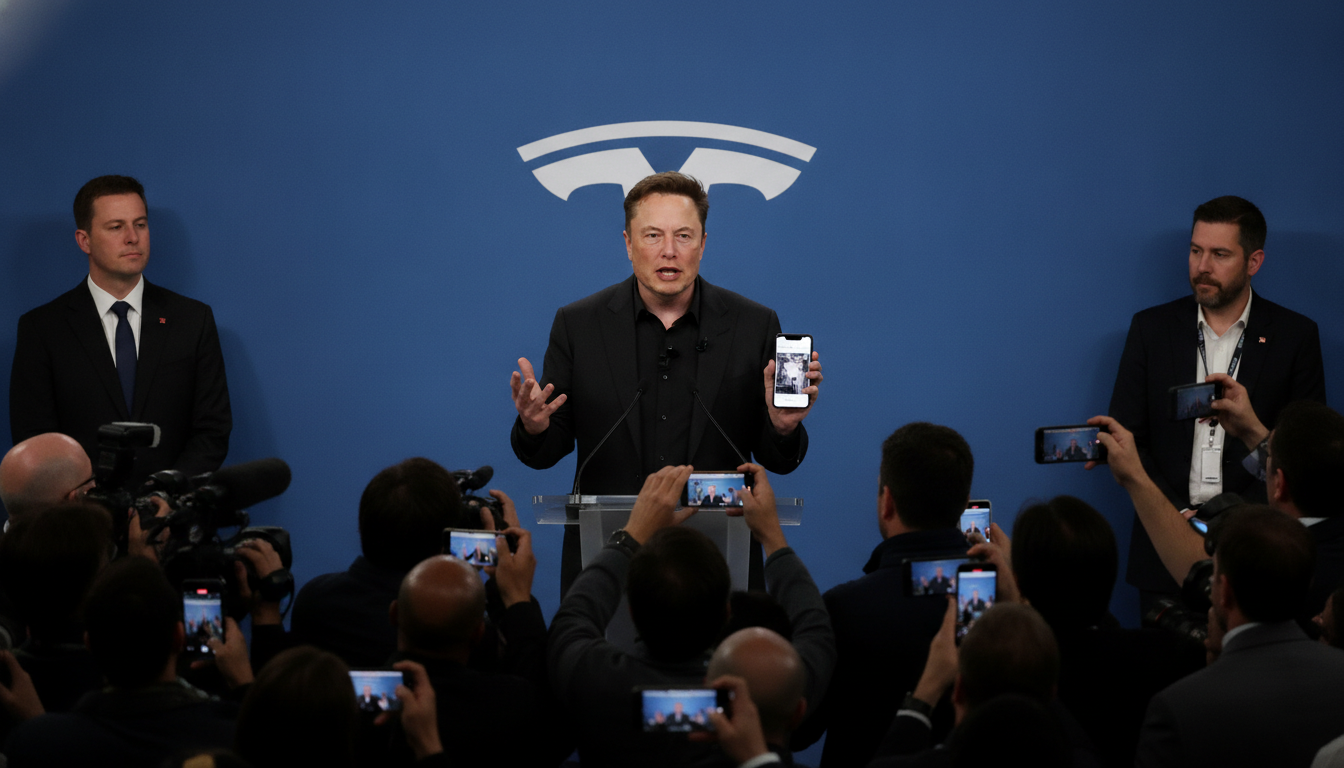
Tesla China sale denied as Musk calls report “absurdly fake news”
Tesla on July 31, 2026 denied reports it was considering a Tesla China sale, calling speculation over a possible merger with SpaceX unfounded and prompting company leadership to reject the story as false. The statement came amid renewed scrutiny of the automaker’s strategy in the world’s largest electric vehicle market.
Tesla Denies Exploring Sale of Chinese Business
Tesla issued a firm denial on July 31, 2026, rejecting media reports that suggested it was exploring a sale of its Chinese operations. The company emphasized that it is not pursuing a transaction and described the speculation as inaccurate.
Elon Musk publicly dismissed the report as “absurdly fake news,” signaling management’s intent to quash the rumor quickly. Senior executives reiterated that China remains central to Tesla’s manufacturing and sales strategy.
Musk Labels Speculation and SpaceX Merger Rumors
The story also circulated claims of a possible merger between Tesla and SpaceX tied to the Chinese business, a link the companies did not substantiate. Tesla’s leadership called the proposed merger scenario implausible and unrelated to the company’s current strategic priorities.
Observers noted the unusual nature of combining an automotive manufacturer’s regional assets with a separate aerospace business, and analysts cautioned against taking the rumor at face value. Company denials aimed to restore clarity for customers, partners, and employees in China.
Strategic Importance of China to Tesla Operations
China has been a cornerstone of Tesla’s global production, hosting the Shanghai Gigafactory that supplies domestic and export markets. The country’s EV demand, battery supply ecosystem and manufacturing infrastructure underpin Tesla’s broader production planning.
Maintaining a stable footprint in China supports Tesla’s access to suppliers, local engineering talent and regional partnerships that influence cost and delivery schedules. Company officials have previously highlighted the strategic role of local manufacturing in meeting global demand.
Regulatory and Geopolitical Pressures on Automakers
Automakers operating in China must navigate evolving regulatory expectations and geopolitical sensitivities that have intensified in recent years. Companies face a mix of industrial policy, data rules, and oversight that can affect foreign firms’ operations and investment decisions.
Tesla, like other multinational players, must balance compliance with local regulations while managing relations with both Chinese authorities and stakeholders in the United States. That dynamic has increased public interest in any reports about significant structural changes to foreign companies’ China businesses.
Investor and Market Response to the Rumors
The circulation of the sale and merger reports prompted immediate questions from investors seeking clarity about corporate strategy. Market participants typically respond quickly to contested reports, looking for confirmed filings or official statements to assess impact.
Analysts urged caution, noting that unverified narratives can spur short-term volatility even when companies move swiftly to deny claims. Institutional investors and local partners generally prefer transparent communication on material decisions affecting operations in major markets.
Operational Signals from Tesla’s Shanghai Facility
Media visits and company tours of the Shanghai Gigafactory earlier this year emphasized continued investment in local manufacturing capabilities. Tesla has presented the facility as a linchpin for producing vehicles for Asia and other regions, underlining its operational commitment.
While production schedules and specific capacity plans are proprietary, the visible operation of assembly lines and local supplier activity suggests the plant remains a functioning and integral part of Tesla’s global supply chain. Company assurances aim to reassure employees and suppliers about near-term continuity.
The denial on July 31, 2026 leaves the market with a clear corporate position: Tesla is not pursuing a sale of its Chinese business and rejects the merger reports as baseless. Observers will watch for any subsequent filings, regulatory notices, or formal company disclosures that either confirm this stance or provide new information.

