
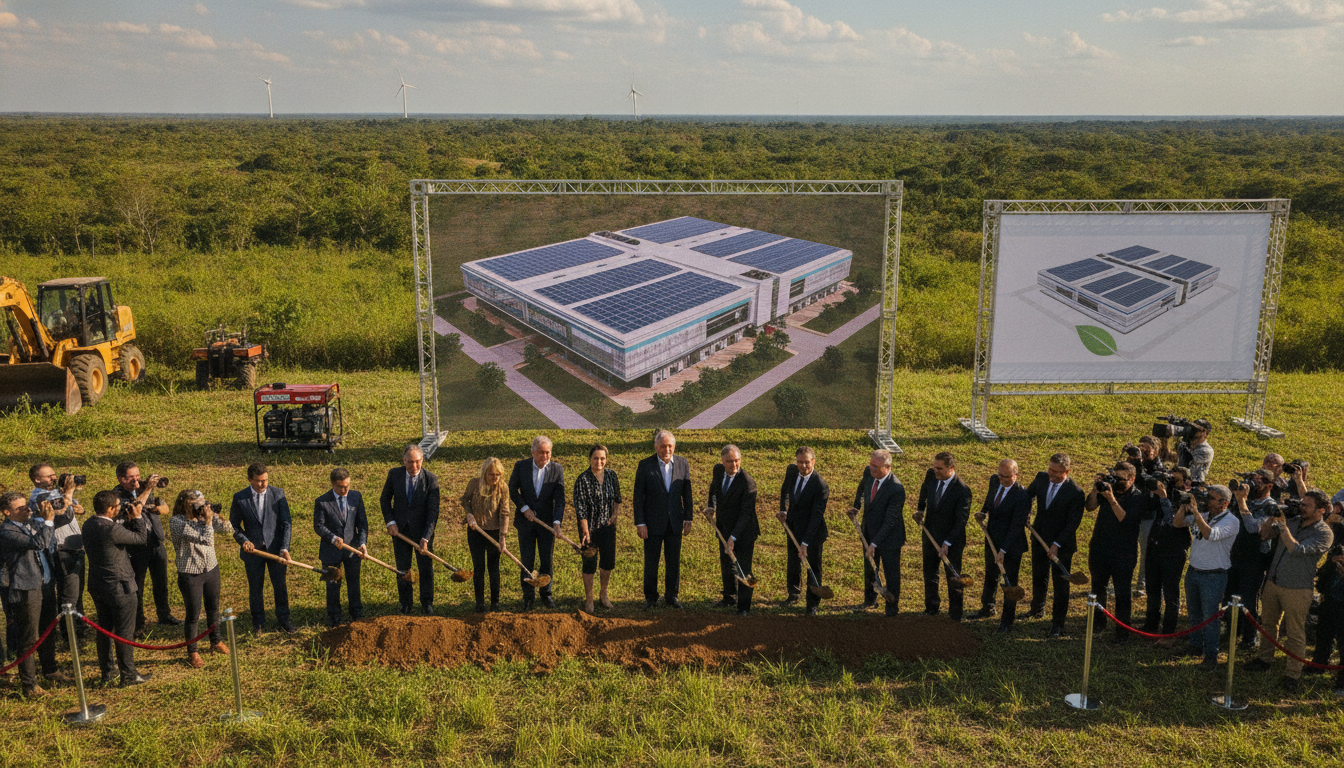
TikTok Data Center in Brazil Signals Push into Latin America’s Digital Infrastructure
TikTok to build a data center in Brazil, leveraging renewable energy and a growing user base; the move may reshape Latin America’s digital infrastructure.
TikTok’s announcement to establish a large data center in Brazil underscores the country’s rising importance for global technology firms and the platform’s strategic expansion in Latin America. The TikTok data center in Brazil is intended to serve a rapidly growing regional audience while tapping into Brazil’s abundant renewable power and improving service speed. Company officials say the investment reflects both commercial opportunity and a desire to localize infrastructure closer to users.
Company frames Brazil as a strategic market
Brazil ranks among the largest digital markets in Latin America by user numbers and time spent online, and TikTok’s decision reflects that scale. Building a local data center allows the company to reduce latency for regional users and to scale services tailored to local demand. Officials cited long-term growth prospects in content consumption and advertising revenue as central to the decision.
Energy profile and sustainability considerations
Brazil’s electricity mix, dominated by hydropower and expanding wind and solar capacity, was a key factor in site selection. For cloud and social media operators, access to low-carbon power can lower operating costs and help meet corporate sustainability commitments. TikTok’s project is likely to prioritize energy efficiency measures and grid partnerships to balance demand with local supply.
Implications for data governance and regulation
The move to place infrastructure on Brazilian soil arrives amid strengthened global scrutiny of how user data is stored and managed. Brazil’s data protection framework, the LGPD, already requires attention to privacy and cross-border data flows, and a domestic facility can simplify compliance. At the same time, investments by foreign-owned platforms often provoke debates in regulatory and political circles about oversight and control.
Economic benefits and local industry impact
Data-center construction typically generates short-term jobs in engineering and construction and longer-term roles in operations, maintenance and cloud services. Local suppliers of cooling systems, power management and fiber connectivity can expect new business opportunities. The presence of a major content platform could also encourage partnerships with Brazilian cloud providers and spur growth in nearby tech hubs.
Competitive dynamics in Latin America’s digital market
A dedicated data center strengthens TikTok’s technical footing against regional competitors that already operate local infrastructure, including global cloud providers and rival social platforms. Lower latency and localized services can improve user engagement and open more avenues for region-specific features and advertising offerings. Industry observers say infrastructure investments are increasingly central to winning market share in high-growth digital economies.
Next steps, permitting and operational timeline
Before turning soil, the project will require environmental assessments, grid connection agreements and municipal permits, which can influence timing and final capacity. TikTok has signaled intent but has not publicly disclosed detailed timelines or exact technical specifications, leaving room for change as approvals and supplier contracts are finalized. The company is expected to coordinate with federal and state authorities on workforce development and community impacts.
The decision to build a data center in Brazil reinforces a broader trend of global tech firms relocating critical infrastructure closer to end users, driven by performance, regulation and sustainability goals. For Brazil, the investment promises economic activity and deeper integration into the regional digital economy, but it also raises questions that policymakers and civil society will need to address about governance and long-term resilience. Overall, the project marks a significant step in reshaping Latin America’s internet architecture and the competitive landscape for content platforms.

