
Tokyo fireworks festivals 2026: complete schedule, highlights and tips for seeing the shows
Complete guide to Tokyo fireworks festivals 2026 — dates, top displays, travel tips and ticket advice for summer and off‑season events across the region.
Tokyo fireworks festivals are back in full force for 2026, offering a packed calendar of displays across the metropolis and surrounding prefectures. The season’s schedule includes flagship river shows, seaside bonfires and regional competitions, with headline events such as the Sumidagawa display in Asakusa on July 25, 2026. This guide lays out the major dates, what to expect at each venue and practical advice for attending safely and comfortably.
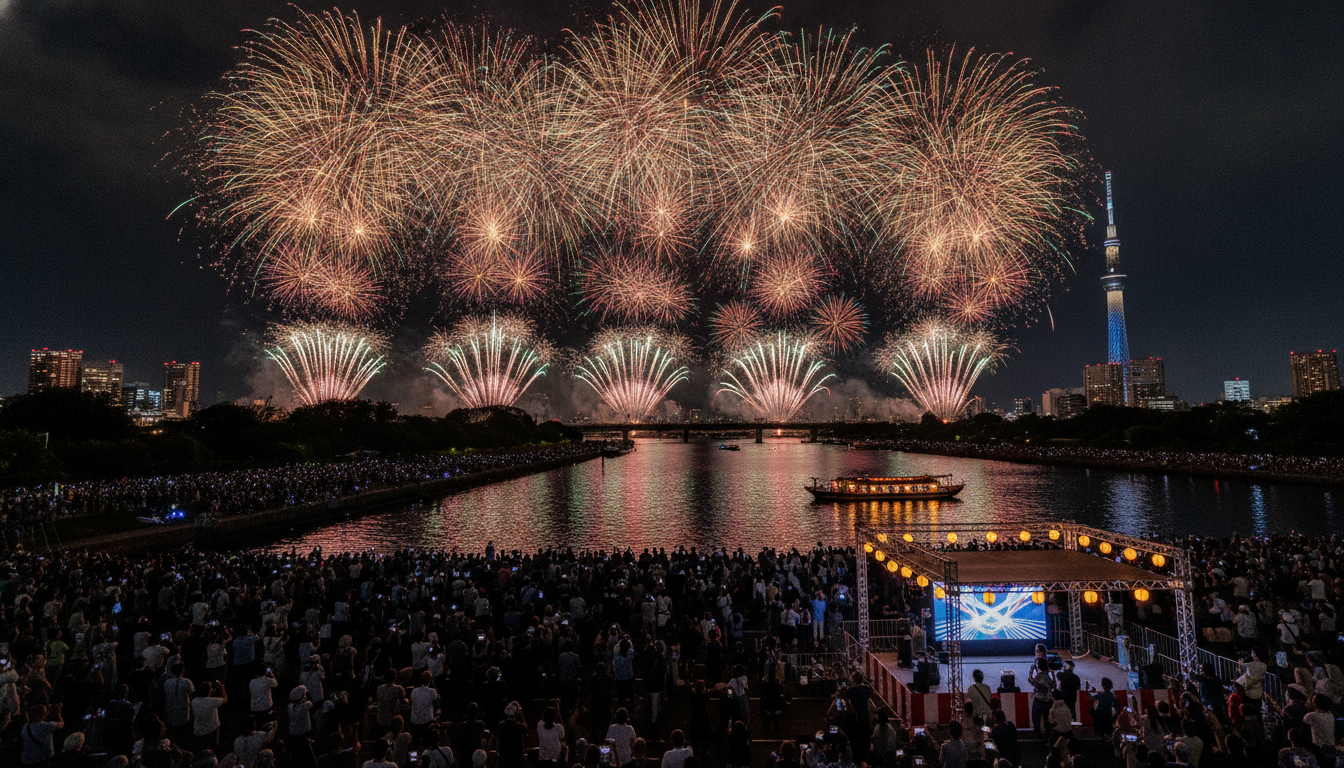
Sumidagawa in Asakusa: the city’s headline spectacle
The Sumidagawa Fireworks Festival remains Tokyo’s best‑known display and a focal point of the 2026 calendar. Scheduled for July 25, 2026, organizers expect a program of roughly 20,000 individual shells and pyrotechnic effects launched along the Sumida River.
Historic roots distinguish this event from others; the festival traces its origins back centuries and now combines traditional ceremony with fierce competition among Japan’s leading fireworks firms. Expect enormous crowds, crowded trains and premium viewing options on boats and paid rooftops.
If you plan to attend Sumidagawa, the main practical considerations are timing and positioning. Arrive early to secure a riverside spot, use alternative stations where possible to avoid chokepoints and be prepared for long, slow departures after the show ends.
Major citywide shows and ticketing notes for July–August
Several large, centrally located displays anchor Tokyo’s summer roster, each with different access arrangements and crowd dynamics. Tokyo Racecourse in Fuchū stages a large show on July 1, 2026, with about 14,000 fireworks but restricted access to the racecourse grounds. Viewing from nearby riverbanks and parks offers free alternatives.
Adachi moved its traditional fireworks to late May to avoid midsummer heat; the 2026 Adachi Fireworks in Kita‑Senju ran on May 30 and featured approximately 13,000 rockets. Jingūgaien, set for August 8, 2026, returns with an event tied to performances at the Jingu stadium area and a ticketed seating structure in the stadiums. Ticket prices for some premium locations range from modest to expensive, reflecting reserved seating and concert elements.
Katsushika’s Noryo Hanabi on July 28 and Edogawa’s display on August 1 are two other major free events in the city with large shot counts—both around 20,000 and 14,000 shots respectively—and draw residents and visitors who want a true Tokyo atmosphere. Edogawa is also promoting special large‑scale pieces such as the Fuji no Daikageki in its 2026 program.
Local and family‑friendly displays away from the busiest hubs
Not every festival in Tokyo is shoulder‑to‑shoulder. Smaller, neighborhood events provide a more relaxed evening and are often better choices for families. Showa Kinen Park in Tachikawa hosts a 5,000‑shot display on July 25, 2026, in a spacious park setting that suits picnics and early arrivals. Expect significant crowds but room to spread out if you enter the park well before sunset.
Hachiōji and Itabashi stage more modest shows on August 1, with Hachiōji firing about 4,000 shells and Itabashi around 13,000. Okutama’s festival on August 8 is intentionally small — roughly 1,000 shots — and offers a scenic riverside experience for those willing to travel farther from central Tokyo. These quieter options also reduce the pressure on transport and provide easier exits after the finale.
Koto’s Sunamachi Mizube Park show on August 11 is a middle ground: several thousand fireworks with limited venue capacity and reserved seats. If you prefer a contained, managed experience, these local festivals can give you that balance between spectacle and comfort.
Regional day trips: Mount Fuji, beaches and mountain lakes with fireworks
Beyond Tokyo’s wards, a string of regional displays provide striking backdrops — from beaches to volcanic silhouettes. Lake Kawaguchiko’s fireworks on August 5, 2026, offer the dramatic possibility of seeing pyrotechnics reflected beneath Mount Fuji and are ideal for day‑trippers who combine sightseeing with the show. Arrive early to secure lakeside vantage points.
Kamakura’s seaside display on July 10 is compact (about 2,500 shells) but family‑friendly and best enjoyed from Yuigahama Beach after a daytime visit to the historic temples. Atami runs multiple dates across July and August with a busy program that attracts beachgoers and resort visitors. Hakone’s Lake Ashi festival — spanning July 31 to August 5, 2026 — mixes ceremonial elements, nightly fireworks and local rituals and is one of the summer highlights for visitors who want an overnight escape.
Zushi and other coastal towns stage early‑season or beachfront events that launch the wider fireworks calendar, combining warm weather leisure with evening pyrotechnics. For all regional outings, confirm return transport schedules in advance: trains and buses can fill quickly and some services finish early.
Autumn and competition‑grade displays through November 2026
Tokyo’s pyrotechnic season stretches beyond August with several major out‑of‑season events that draw competitive pyrotechnicians and large audiences. Chōfu’s display on September 12, 2026, is a late‑season highlight, lighting up the Tama River with an estimated 10,000 shells. It’s traditionally one of the final big nights of the main season and attracts crowds in the hundreds of thousands.
Kita’s Akabane show on September 26 and Tamagawa’s moved date on October 3 are other significant autumn offerings; both employ music synchronization and modern lighting effects, with Kita also integrating drone displays in 2026’s program. Narita stages a November display some years, and the Tsuchiura All Japan Fireworks Competition in Ibaraki on November 7 is a must‑see for aficionados who want to watch top pyrotechnic houses perform in judged competition format. These late events tend to be cooler in temperature and may involve different crowd management measures than summer shows.
How to plan, where to sit and safety considerations for attendees
Planning is the single best way to improve the fireworks experience. For high‑profile shows, determine whether the venue sells reserved seating or requires admission and buy tickets through official channels when offered. Many major displays still offer free vantage points nearby, but these spaces can fill very early.
Transport strategy is critical. Trains and buses near principal venues can be overloaded both before and after shows; consider using less direct routes, walking from a more distant station, or leaving earlier to avoid the post-show rush. For regional trips, check final train times and last buses; some lines reduce services late at night.
On the ground, respect local rules: public parks and riverbanks often prohibit open flames and limit alcohol consumption; organizers usually expect attendees to take their rubbish home and to follow signage and staff instructions. Bring a compact mat, lightweight rain protection in case of sudden showers, a small torch and sufficient cash for food stalls or late transport. Keep in mind that many events will cancel rather than postpone in case of severe weather, so monitor official notices on the day.
Etiquette, attire and extras that improve the evening
Wearing a yukata remains a popular and visually striking choice for festival evenings and aligns with longstanding summer tradition. Lightweight clothing and breathable fabrics are essential in late July, but evenings can cool slightly for events in September and October, so bring a light layer.
If you wear a yukata, plan for comfortable footwear and a small, secure bag; many festival locations have long walks from stations to viewing sites. For photography, lightweight tripods are often impractical in dense crowds, so consider a compact monopod or practice hand‑held night shooting techniques. Be mindful of flash and obstructive equipment that can block other viewers’ lines of sight.
For families, choose earlier starts and smaller displays. Many local festivals provide safer, more spacious settings and accessible facilities, while major shows often require long waits and crowded conditions that can be difficult with young children.
Practical ticket, accessibility and crowd‑management tips
Several Tokyo festivals offer tiered access in 2026, with a mix of free public viewing and paid seating or boat cruises for guaranteed sightlines. Confirm ticketing windows and authorized sellers; secondary market resale can be risky and sometimes prohibited. Some events also sell official bundled options that include food or merchandise.
Accessibility varies by venue. Riverside banks commonly have uneven terrain and limited wheelchair access, while stadium and reserved seating areas are more likely to provide better facilities. Contact event organizers in advance to clarify accessible entrances, restroom locations and assistance availability. For those with mobility challenges, opting for scheduled paid seating or viewing locations with easier access is advisable.
When planning transport, use station exits that distribute egress away from the main bottlenecks. Local municipal pages and festival organizers often publish official walking maps and recommended routes—these are useful to study before you travel.
Weather, cancellations and last‑minute adjustments
Weather is the single largest disruptor of fireworks events. Many Tokyo festivals announce cancellation rather than postponement for storms or high winds, and some have an alternative rain date while others do not. Always check official festival communications on the day for the most current status.
If a show is canceled, local authorities typically advise on refunds for ticketed seating and provide guidance on public safety. For non‑ticketed events, expect early dispersal notices and staff at transport hubs to manage the surprised crowds. When in doubt, allow flexibility in travel plans and consider purchasing insurance or refundable transport where possible.
To reduce the chance of disappointment, build contingency plans into any overnight or regional itinerary and register for organizer mailing lists or follow verified social feeds that relay real‑time updates.
Final practical checklist before you go
Before you set out, confirm the event date and start time, and check whether the venue requires tickets or has restricted access. Pack essentials: water, a small mat, portable snacks, a compact rain cover and a charged phone with transport apps installed.
Know how you will leave: identify at least two possible route options and the location of the nearest station with less crowded exits. Carry sufficient cash for concessions and emergency transport, and keep valuables close in crowded conditions.
Above all, be considerate of fellow viewers and local residents. Tokyo fireworks festivals remain communal events rooted in custom, and mindful behavior helps ensure the night is enjoyable for everyone.
With a full schedule across the city and neighboring prefectures, Tokyo fireworks festivals in 2026 offer a range of experiences from mass spectacles to intimate local displays. Choose the event that fits your tolerance for crowds, plan transport and seating in advance, and allow time to enjoy the unique atmosphere that only these seasonal nights can deliver.

