
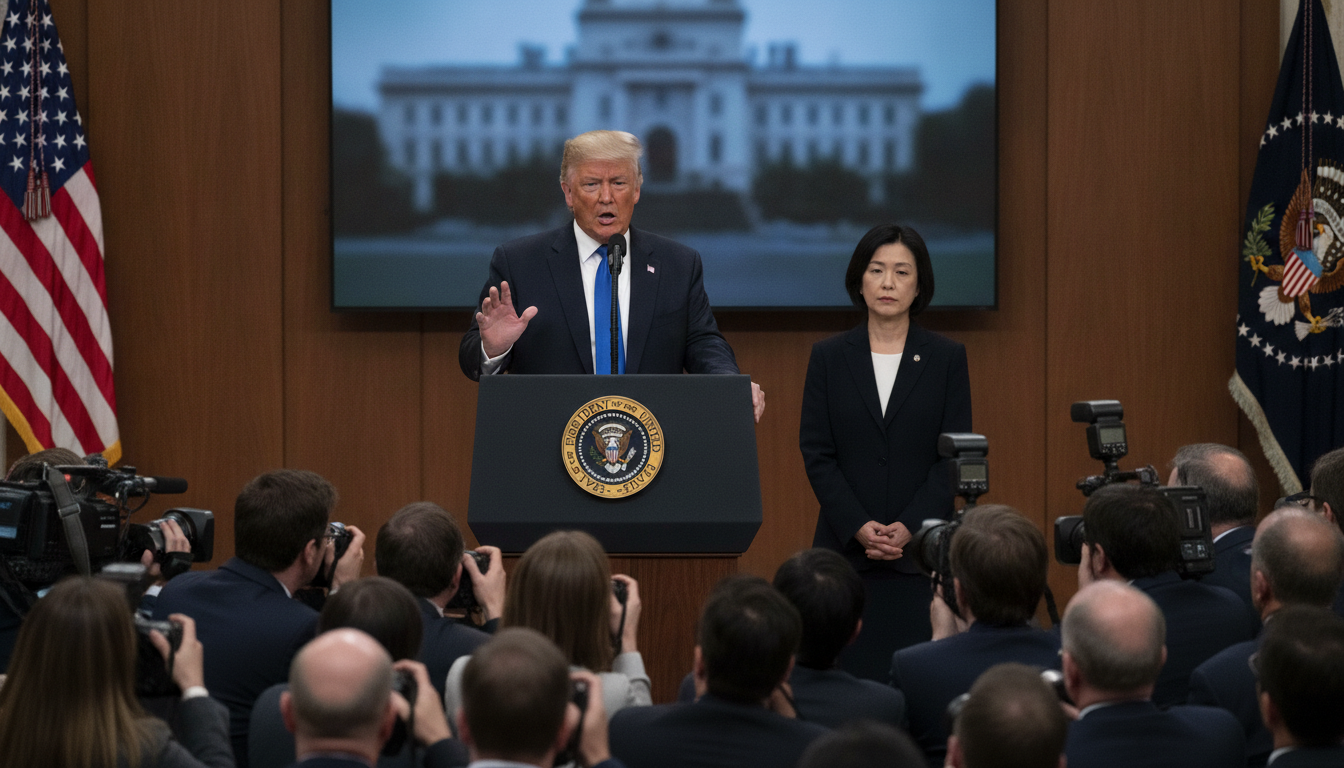
U.S. Imposes Sanctions on ICC Prosecutor Tomoko Akane Ahead of U.N. General Assembly
U.S. sanctions against ICC prosecutor Tomoko Akane announced before the U.N. General Assembly, raising concern in Japan and questions over Washington’s motives.
The U.S. administration announced sanctions targeting International Criminal Court (ICC) Prosecutor Tomoko Akane, an unprecedented move against the head of a major international institution. The announcement, which names Tomoko Akane explicitly, has immediately drawn attention from governments and legal scholars for its timing and implications.
Japanese officials expressed unease at the designation of a Japanese national as the subject of allied pressure, while international observers noted the rarity of sanctioning an international court official. The development has fueled debate over diplomatic strategy as world leaders prepare to gather in New York for the U.N. General Assembly.
U.S. Sanctions Announced
The U.S. statement described a package of measures aimed at ICC leadership, singling out Prosecutor Tomoko Akane among those affected. Washington framed the action as a response to investigative steps the court has taken that the administration views as adverse to U.S. interests.
Sanctions include restrictions on travel and financial transactions, according to U.S. officials, and are meant to signal a hard line ahead of global policymaking forums. The move marks a significant escalation in tensions between the United States and the ICC, which Washington has long criticized over jurisdictional issues.
Timing Linked to the U.N. General Assembly
Analysts observe that the announcement came at a politically sensitive moment, weeks before delegations convene for the U.N. General Assembly in New York. Observers say the timing appears intended to shape diplomatic dynamics and public narratives during that high-profile session.
Government sources and experts point to parallel diplomatic efforts relating to Israel and other contested matters likely to be discussed at the Assembly. The proximity of the sanctions announcement to the U.N. calendar has prompted speculation that the measures are partly performative, aimed at rallying domestic and international audiences.
Japanese Government Response
Tokyo has been put in a delicate position by the designation of a Japanese national at the center of an allied government’s punitive actions. Officials in Tokyo described the development as "very regrettable," while stopping short of direct condemnation of the United States.
Prime Minister Sanae Takaichi has faced questions from lawmakers and the public about how Japan will balance alliance considerations with defending a Japanese citizen in an international role. The government has indicated it will seek clarification from Washington and monitor the situation closely, underscoring the diplomatic tightrope Tokyo must walk.
Legal Experts Raise Questions About Motive and Precedent
Legal scholars specializing in international criminal law say that targeting the head of the ICC breaks with established practice and raises serious questions about the rule of law. Megumi Ochi, an associate professor at Ritsumeikan University who specializes in international criminal law, said the measure appears to be an attempt to exert maximum pressure on the court’s leadership.
Experts warn that sanctioning a judicial or prosecutorial official risks politicizing independent international institutions and could undermine cooperation on cross-border investigations. They also note that the precedent may erode norms protecting international officials from retaliatory measures tied to their legal work.
Diplomatic and Institutional Fallout
The sanctions are likely to have ripple effects across diplomatic channels and international legal cooperation. Several states that engage with the ICC may be forced to reassess operational ties or issue statements of support or concern, compounding the diplomatic complexity surrounding the U.S. decision.
Institutions that rely on mutual legal assistance and cross-border enforcement could face practical disruptions if officials become reluctant to cooperate for fear of secondary measures. Observers caution that even if the sanctions remain largely symbolic, the signal they send could chill engagement with the ICC.
What Comes Next for the ICC and Tokyo
In the immediate term, the ICC has indicated that it will evaluate the impact of the sanctions on its operations and personnel, while continuing its legal work. Court officials have emphasized their mandate to pursue investigations and prosecutions independently, regardless of political pressure.
Tokyo is expected to press Washington for explanations and to explore diplomatic avenues to protect its nationals serving in international roles. The outcome may hinge on behind-the-scenes negotiations in the weeks leading up to the U.N. General Assembly, where allies and rivals alike will weigh in on both the substance and optics of the U.S. move.
The sanctions against ICC prosecutor Tomoko Akane have opened a new chapter in the interaction between national power and international justice, forcing governments to confront how to reconcile alliance politics with support for multilateral institutions.

