
TSMC Warns of Rising Input Costs from Middle East Conflict, Rules Out Shortcuts for Tesla Terafab; Eyes 1.4‑nm by 2028
TSMC warns on April 16, 2026 that rising gas and chemical costs from Middle East tensions may squeeze margins and lift consumer component prices. Roadmap intact.
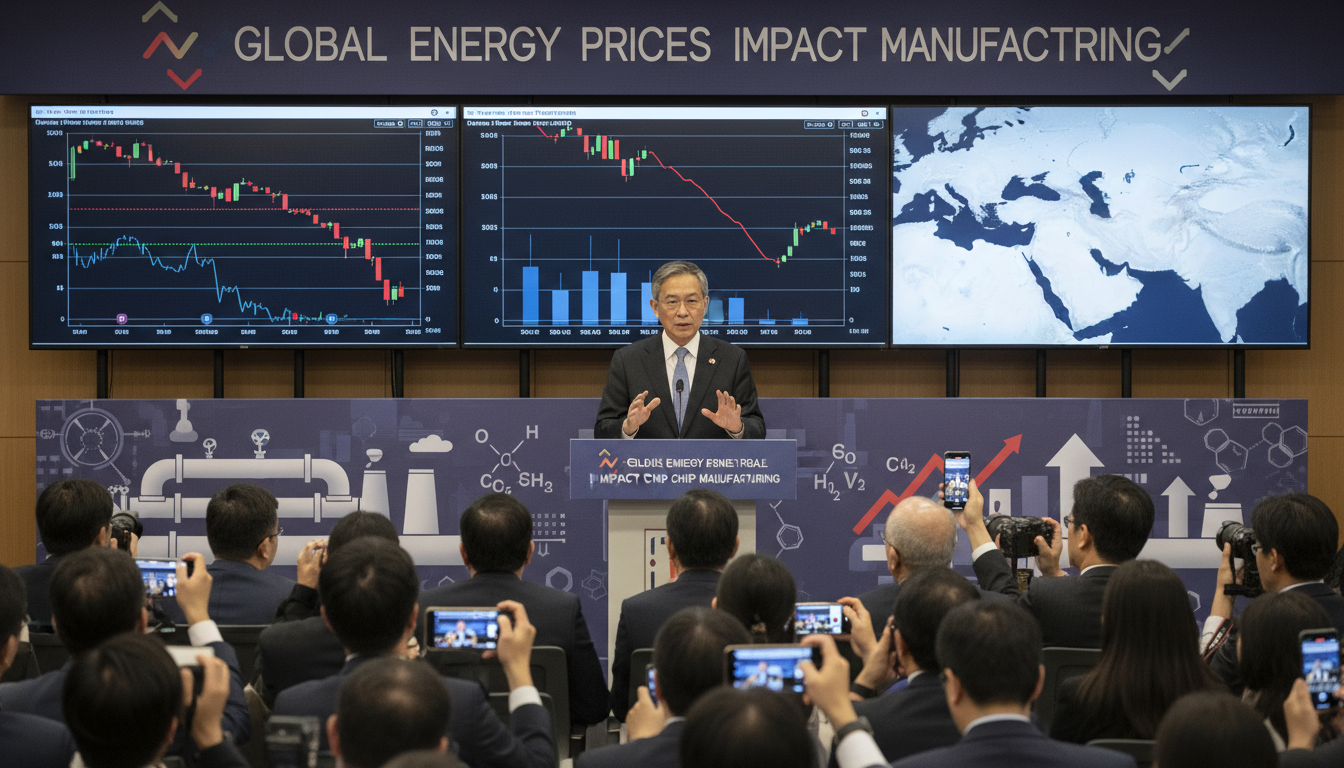
Taiwan Semiconductor Manufacturing Co. (TSMC) on April 16, 2026 warned that escalating prices for industrial gases and chipmaking chemicals tied to tensions in the Middle East could put pressure on its profitability and ripple through the global technology supply chain. The company said higher input costs, combined with rising component prices for memory and other parts, risk squeezing margins and lifting prices in the price-sensitive consumer market. At the same time, TSMC reiterated that it would not take technological shortcuts for external projects such as Tesla’s proposed “Terafab,” and reaffirmed its roadmap toward a 1.4‑nanometre manufacturing node by 2028.
TSMC flags input-cost risks from Middle East conflict
TSMC identified a jump in the cost of specialty gases and process chemicals as a material risk in its near-term outlook. The company cautioned that disruptions to raw-material supply and elevated freight costs could increase production expenses beyond initial forecasts. Management emphasized the potential for these cost pressures to feed into broader inflationary trends across electronics manufacturing.
No shortcuts for Tesla’s Terafab, company says
Addressing questions about potential collaborations, TSMC confirmed it will maintain its usual development rigor and will not accelerate or dilute process controls to meet external deadlines. The company rejected the notion of “shortcuts” for Tesla’s planned Terafab project, stressing quality and yield consistency as non-negotiable. TSMC’s stance signals a commitment to its established standards even when facing commercial or strategic partnerships.
Roadmap calls for 1.4‑nanometre chips by 2028
TSMC reiterated its technology roadmap, targeting the commercialization of 1.4‑nanometre process technology by 2028. The company said this timeline remains a priority despite cost headwinds, reflecting investments in advanced lithography and packaging capabilities. Industry observers note that maintaining cadence on next‑generation nodes is vital for both high‑performance computing and AI infrastructure customers.
Memory and consumer markets face price pressure
Higher input costs for gas and chemicals could compound recent increases in memory chip prices, potentially passing through to finished consumer goods. TSMC warned that cost inflation among component suppliers may affect demand in price-sensitive segments such as smartphones and PCs. Analysts say a sustained increase in component pricing would likely slow upgrade cycles and shift procurement strategies among large device makers.
Margins and pricing strategy under scrutiny
With elevated production costs, TSMC flagged the possibility that profit margins could compress if price increases cannot be fully passed on to customers. The company said it will pursue a mix of efficiency measures, selective pricing adjustments, and contractual mechanisms to mitigate margin erosion. Investors and clients will be watching closely for details on how TSMC balances competitiveness with the need to absorb or transfer higher input costs.
Supply‑chain adjustments and industry implications
TSMC indicated it is engaging with suppliers to secure longer‑term contracts and diversify sources of critical gases and chemicals to reduce volatility. The company is also exploring closer coordination with equipment makers to optimize chemical usage and limit waste. Broader industry effects could include accelerated consolidation among specialty chemical suppliers and renewed focus on regional resilience for critical semiconductor inputs.
The developments underline the dual challenge facing leading foundries: navigating short‑term cost pressures while sustaining investment in long‑term node advancement. TSMC’s clear message on April 16, 2026 — that it will protect process integrity, pursue the 1.4‑nm timeline, and manage cost risks proactively — frames the company as both cautious steward and continued driver of advanced semiconductor progress.

