
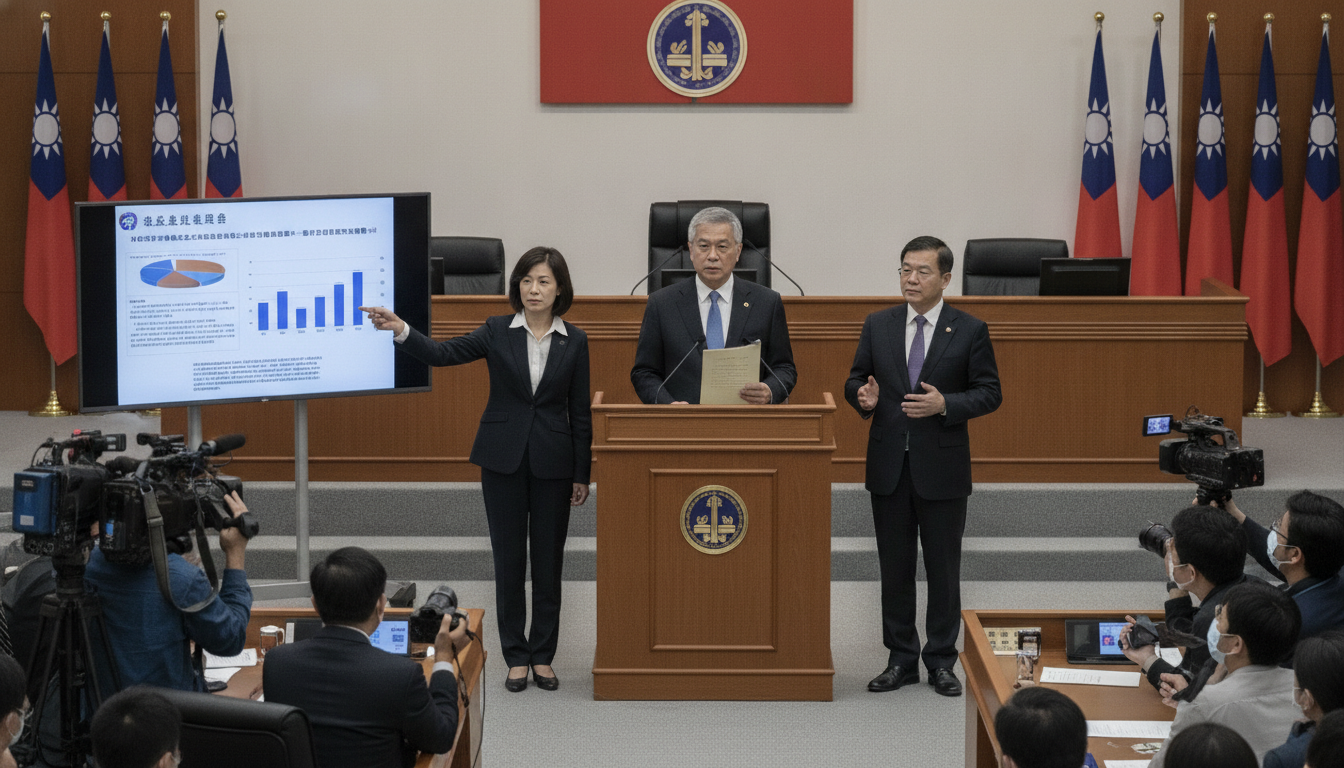
Unimicron investigation: Taiwan opens probe into PCB maker over alleged relabeling of China-made parts
Taiwan probes Unimicron for allegedly relabeling China-made PCBs as Taiwanese origin amid a US crackdown on transshipments, raising supply-chain concerns.
Taiwanese prosecutors have opened a formal investigation into Unimicron, one of the world’s largest printed circuit board and chip substrate manufacturers, over allegations that China-made components were falsely relabeled as originating in Taiwan. The Unimicron investigation, disclosed on August 31, 2026, centers on potential origin laundering that could breach customs and trade laws. The probe comes as heightened U.S. enforcement against transshipments increases scrutiny of cross-border component flows in the semiconductor supply chain.
Taiwanese prosecutors open probe into Unimicron
Prosecutors in Taipei said the inquiry focuses on whether parts manufactured in mainland China were misdeclared as Taiwanese origin, a practice that can mask transshipments and evade regulatory controls. Authorities have not released detailed evidence but characterized the case as one that could involve criminal and administrative violations under origin-marking and customs statutes. The action follows initial checks and represents an escalation from routine inspections to a formal criminal inquiry.
Allegations of origin relabeling and legal exposure
At the heart of the Unimicron investigation are allegations that labels or documentation were altered to indicate Taiwan as the country of origin for components actually produced in China. If proven, such relabeling can trigger penalties ranging from fines to criminal prosecution for companies and responsible executives, depending on intent and scale. Legal experts say investigators will likely trace shipping records, procurement contracts and quality-control logs to establish where components were manufactured and how they were declared at export.
U.S. crackdown on transshipments heightens scrutiny
The probe comes against a backdrop of intensified U.S. efforts to prevent the diversion of advanced chips and related parts through third countries, a practice known as transshipment. Washington has tightened export controls and increased coordination with partners to trace supply chains and block circumvention of restrictions on sensitive technologies. That policy environment means cases of alleged origin misdeclaration now carry broader geopolitical and commercial significance beyond routine customs enforcement.
Major customers and potential supply-chain fallout
Unimicron supplies printed circuit boards and substrates to leading global technology firms, including major chip designers and cloud providers, placing its customers squarely in focus as the investigation unfolds. A sustained probe or enforcement action could prompt contract reviews, audits, or temporary sourcing shifts by affected buyers seeking to limit exposure. Analysts warn that even short-term production disruptions at a top PCB maker can ripple through semiconductor manufacturing, testing and assembly operations worldwide.
Customs rules, export controls and potential penalties
Origin marking is central to international trade compliance because it determines tariff treatment, trade preference eligibility and applicability of export controls or sanctions. Authorities can impose civil fines, seize misdeclared goods, or pursue criminal charges where deception is suspected. In complex electronics supply chains, establishing the precise manufacturing locus can be challenging, and regulators typically rely on documentary trails, supplier audits and physical inspections to substantiate allegations.
Industry response and implications for Taiwan’s tech sector
Taiwan’s semiconductor ecosystem has long been prized for manufacturing reliability and strict compliance, and a high-profile probe into a major PCB supplier could test that reputation. Trade associations and buyers are likely to press for transparency and corrective measures if abuses are confirmed, while competitors may face pressure to demonstrate robust origin-tracking systems. The episode underscores growing demand from governments and corporate customers for enhanced supply-chain visibility and stronger controls on third-party sourcing.
The Unimicron investigation underscores the evolving regulatory landscape linking customs compliance to national security and trade policy, particularly for industries tied to advanced semiconductors. As prosecutors continue their work, companies across the electronics supply chain will be watching for outcomes that could influence sourcing practices, compliance investments and cross-border trade flows in the months ahead.

